Does Home Insurance Cover Tree Removal in Brisbane?
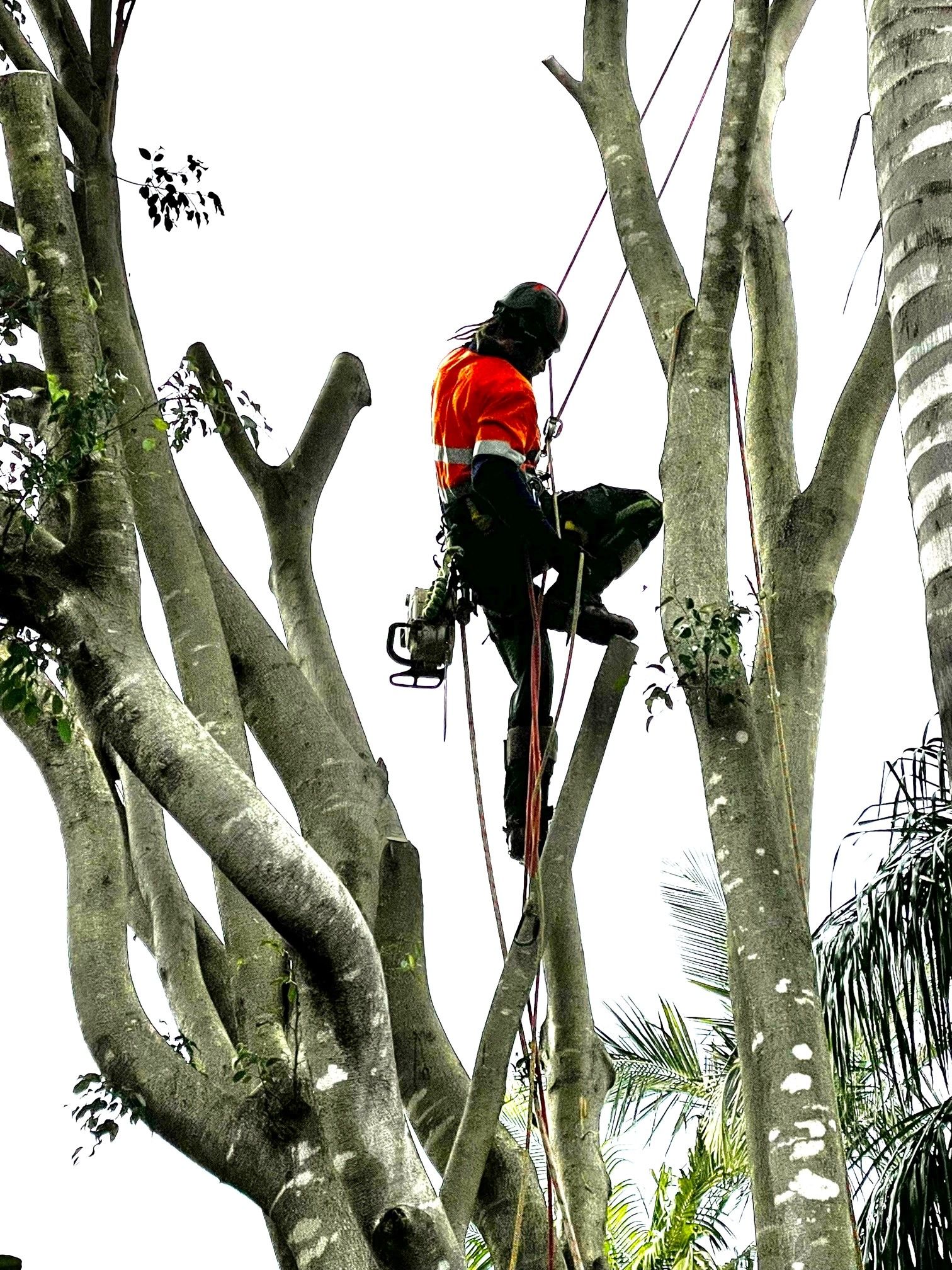
When a storm brings down a tree or leaves large branches resting on a building, homeowners often need emergency tree removal in Brisbane before repairs can begin. Whether insurance contributes to the cost usually depends on what was damaged, the cause of the incident and the terms of the policy.
GDE Tree Services can inspect fallen, unstable and storm-damaged trees and provide a free written quote describing the work required. Approval and reimbursement remain decisions for the insurer.
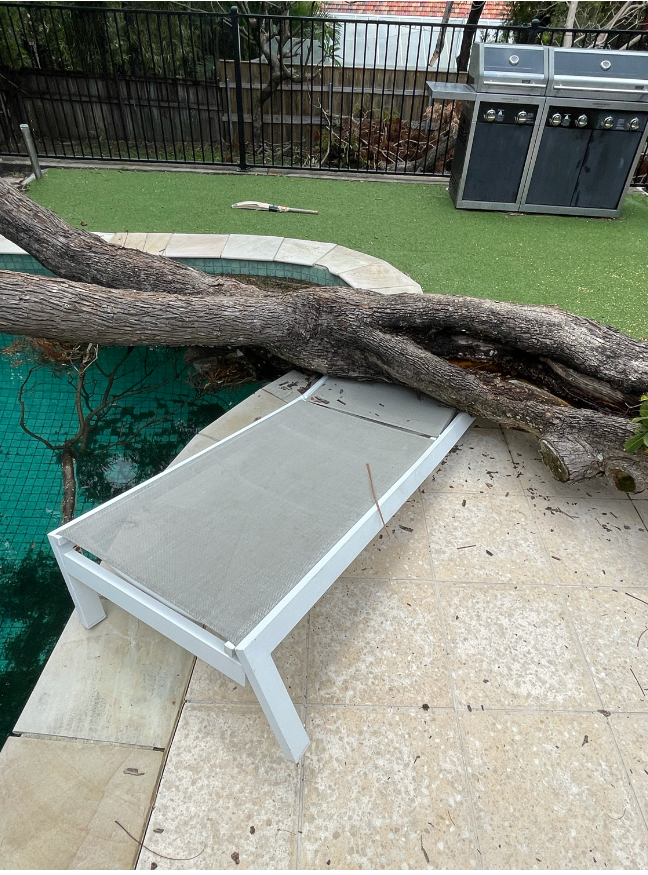
The general distinction: home insurance may cover reasonable removal costs where a fallen tree or branch has damaged an insured building or must be removed so covered repairs can proceed.
If the tree falls into an open part of the yard without damaging insured property, removal is commonly the homeowner’s responsibility.
Insurance policies differ. Limits, exclusions, excesses, insured events and debris-removal provisions can all change the outcome. Read the current Product Disclosure Statement and policy schedule and obtain confirmation from the insurer before authorising non-emergency work.
When May Home Insurance Cover Fallen-Tree Removal?
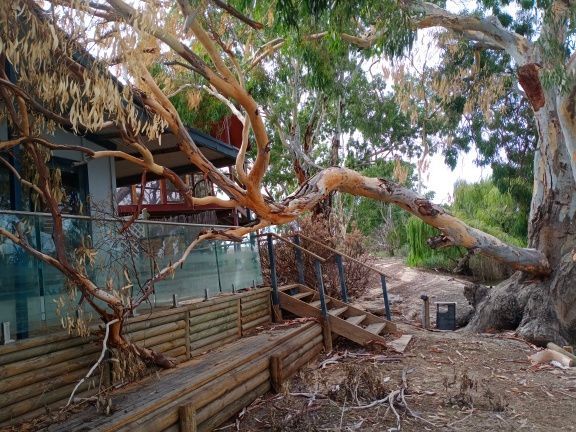
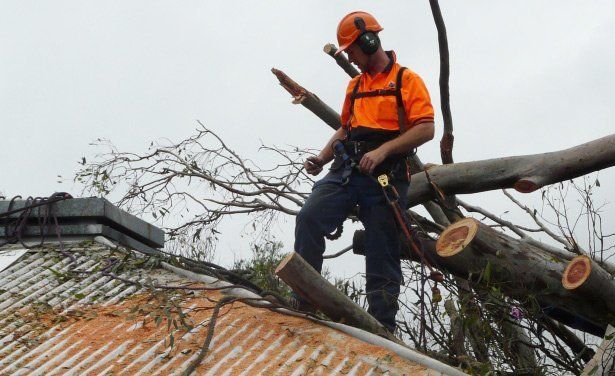
Cover may be available where a tree or branch falls because of an insured event and damages the home or another structure covered by the policy.
Examples may include:
- a tree falling onto the roof during a storm;
- a large limb damaging the home, garage or carport;
- a fallen tree crushing an insured shed or fixed structure;
- a branch damaging a covered boundary fence;
- tree sections needing to be removed to access and repair insured damage; or
- urgent make-safe work required to prevent further immediate loss.
Suncorp’s published guidance, for example, states that it generally covers tree or debris removal where insured property has been damaged and removal is required for repairs. RACQ similarly explains that removal may be covered where a fallen tree damages an insured home, garage or other covered structure. The applicable policy always takes priority.
Removal May Form Part of a Claim
A covered event causes a tree to damage an insured part of the property, and the tree needs to be removed to make the area safe or allow repairs.
Removal Is Commonly Not Covered
The tree falls across an open lawn or garden without damaging an insured building, structure or contents item.
What if the Tree Falls but Does Not Damage Anything?
A fallen tree may still be expensive and difficult to remove, but the size or complexity of the job does not automatically make it an insurance claim.
Where no insured property has been damaged, insurers commonly treat removal as the owner’s responsibility. Suncorp and RACQ both provide public guidance to this effect, while NRMA states that it does not cover the cost of cutting down or removing a tree where it caused no loss or damage to the insured home or contents.
Example
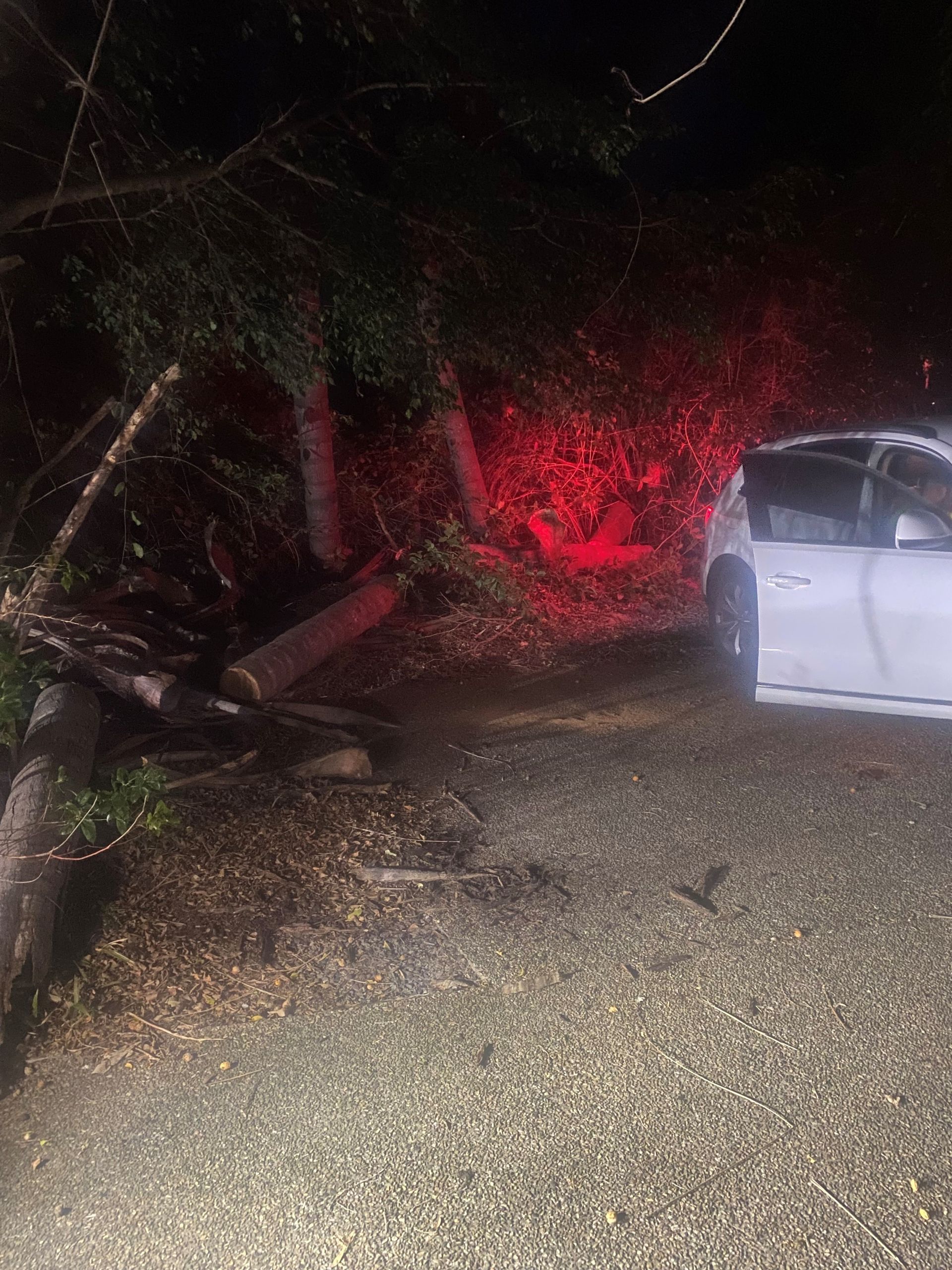
A large gum tree falls across a backyard during a storm but misses the house, shed, fence and vehicles. Professional equipment may still be required, but the owner will commonly need to arrange and pay for removal.
Common Insurance Scenarios Involving Trees
| Situation | Possible Outcome | What to Do |
|---|---|---|
| A storm brings down a tree and it damages the house. | May be covered | Contact the insurer promptly and ask whether it will approve or arrange the removal. |
| A large branch damages an insured garage, shed or fence. | May be covered | Photograph the damage and confirm whether the structure is covered by the policy. |
| A tree falls across the garden without hitting anything. | Commonly not covered | Arrange professional removal directly and retain the written quote. |
| A standing tree is leaning, diseased or considered likely to fail. | Commonly not covered | Preventive tree management is usually treated as property maintenance. |
| A tree damages a vehicle. | Depends on motor cover | Vehicle damage will generally need to be considered under the vehicle owner’s motor policy. |
| A stump remains after the fallen tree is removed. | Often excluded | Ask whether stump grinding or root removal is specifically included in the approval. |
| Your tree falls onto a neighbour’s property. | Neighbour may claim | The neighbour may need to lodge a claim through their own insurer. |
Will Insurance Pay to Remove a Dangerous Tree Before It Falls?
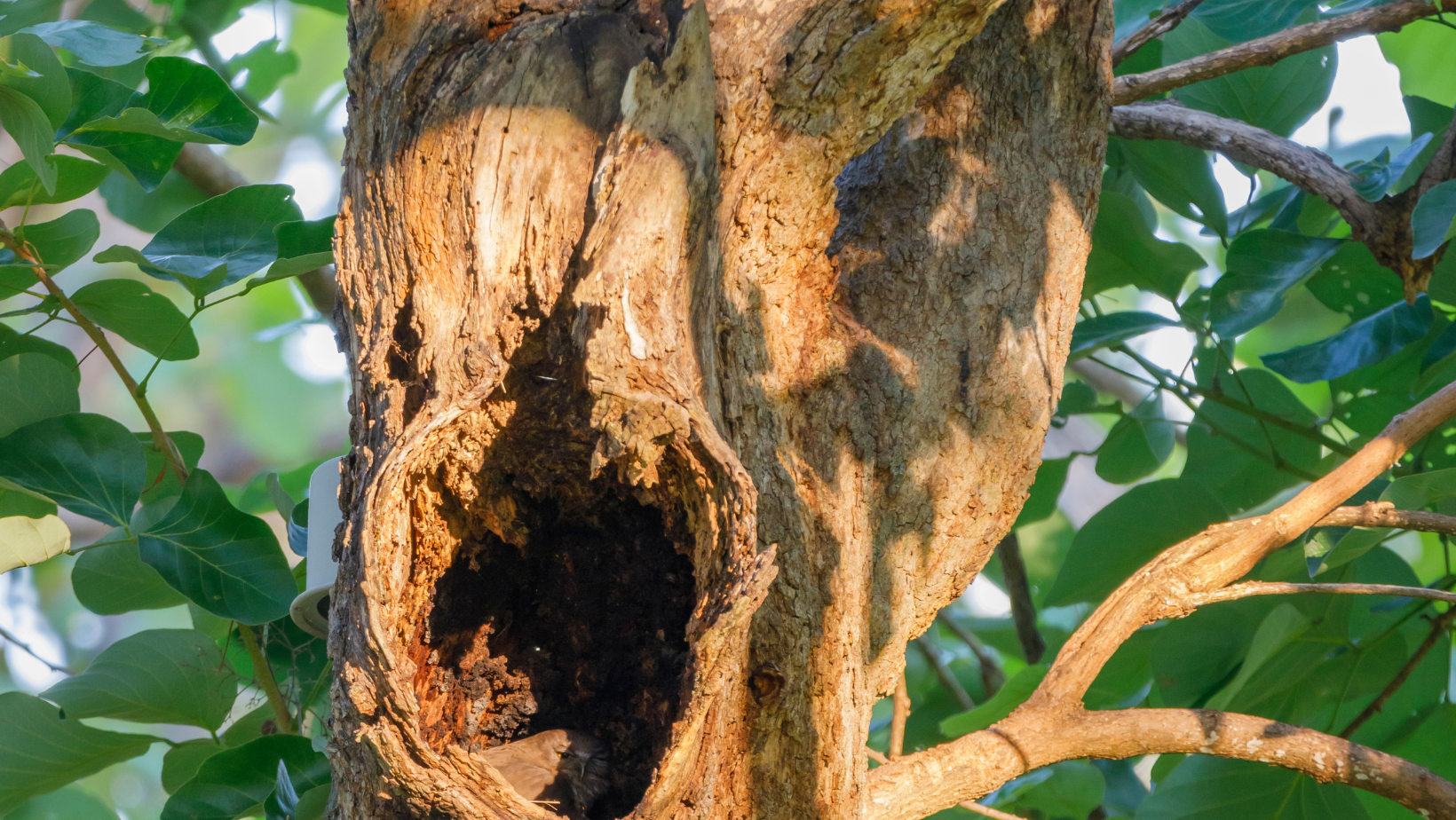
Preventive removal of a standing tree is generally considered routine property maintenance, even where the tree is leaning, diseased, damaged or believed to present a future risk.
A tree assessment or arborist report can document its condition and the work recommended, but it does not automatically make preventive removal claimable.
Known defects should not be ignored. Where the problem is limited to branches or canopy growth, professional tree lopping or tree trimming and pruning may reduce a foreseeable hazard without removing the whole tree.
Are Routine Tree Lopping and Maintenance Covered?
Routine tree care is generally not an insured event. This commonly includes:
- pruning and canopy maintenance;
- removing dead or overhanging branches;
- lopping to manage height or spread;
- removing a tree before landscaping or construction;
- preventive removal of a standing tree;
- stump grinding after planned tree removal; and
- clearing a fallen tree that caused no insured damage.
These tasks are generally treated as maintaining the property and managing foreseeable risks.
What to Do After a Tree Falls on Your Property
- Keep people and pets away. Fallen trees and suspended branches can move without warning.
- Call 000 where someone is injured or in immediate danger. For storm-related emergency assistance in Queensland, contact the SES on 132 500.
- Stay clear of damaged powerlines. Treat fallen and low-hanging lines as live and report them to the electricity network provider.
- Take photographs and video where it is safe. Record the fallen tree, the wider scene and all visible damage before material is moved.
- Contact the insurer promptly. Ask what evidence it needs and whether it intends to appoint or approve a contractor.
- Do not delay genuinely urgent make-safe work. Where immediate action is necessary, retain photographs, the written quotation and an itemised invoice.
Should You Call the Insurer or a Tree Company First?
Where there is no immediate safety risk, contact the insurer first. It may require photographs, an inspection, written quotes or the use of an approved supplier.
Contact a professional tree company immediately where:
- a tree is resting on a house or another occupied structure;
- the tree may move and cause further damage;
- large branches are suspended above an occupied area;
- safe access to the property is blocked;
- part of the tree is unstable and could collapse; or
- urgent work is needed to protect people or prevent further loss.
GDE Tree Services can assess the site, identify the immediate make-safe work and provide a free written quotation describing the required tree work.
What Evidence May the Insurer Request?
An insurer may ask for:
- photographs and video of the tree and damaged property;
- the date and approximate time of the incident;
- details of the storm or weather event;
- a written quotation for the required tree work;
- an itemised invoice for completed emergency work;
- an arborist assessment or report;
- an explanation of why urgent make-safe work was necessary; and
- information about the tree’s condition before it failed.
Unless the debris creates an ongoing danger, avoid clearing the entire scene before the insurer confirms what evidence it requires.
What if Your Tree Falls Onto a Neighbour’s Property?
A tree falling from your property does not automatically mean that you must personally pay for all damage to the neighbour’s property.
The neighbour may need to lodge a claim through their own insurer. Liability can be more complicated where the tree was a known hazard, concerns had previously been raised or reasonable maintenance was not undertaken.
Avoid admitting liability or agreeing to pay costs before discussing the incident with your insurer.
Does Insurance Cover Stump Removal?
Even where the insurer approves removal of a fallen tree from a damaged structure, stump grinding and removal of roots remaining in the ground may be excluded.
Ask whether the approval includes:
- removal of all fallen branches and trunk sections;
- cutting the remaining trunk close to ground level;
- green waste and debris removal;
- stump grinding;
- root removal; and
- restoration of disturbed garden or lawn areas.
Where stump work is excluded, GDE can provide a separate quote for stump grinding and removal.
How GDE Tree Services Can Help
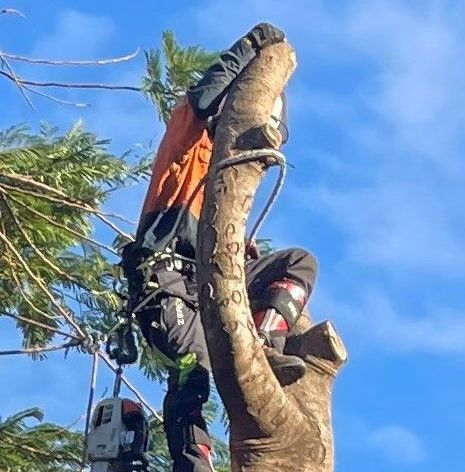
GDE Tree Services has provided professional tree work throughout Brisbane and South East Queensland since 1987.
- Free on-site written quotations
- Urgent storm-damaged tree work
- Removal of trees from roofs and structures
- Making suspended branches safe
- Sectional dismantling in confined areas
- Large and difficult tree removal
- Branch chipping and green waste clean-up
- Itemised descriptions of required work
The tree crew can explain the practical work required, but the insurer determines whether the incident and costs are covered by the policy.
Frequently Asked Questions
Will insurance pay if a tree falls in my yard but damages nothing?
Usually not. Many policies only contribute to fallen-tree or debris removal when the tree has caused damage covered by the policy or must be removed so covered repairs can proceed. The exact outcome depends on the insurer, policy and circumstances.
Will home insurance pay to remove a tree that may fall?
Preventive removal of a standing, leaning, diseased or overgrown tree is generally treated as property maintenance rather than an insured event. Check the Product Disclosure Statement and speak directly with the insurer.
Can I arrange emergency tree work before the insurer responds?
Where there is an immediate danger, take reasonable steps to protect people and prevent further damage. Photograph the scene where it is safe to do so, retain quotations and invoices, and contact the insurer as soon as practical.
Does insurance cover a fallen tree that damages a fence or shed?
It may, provided the structure is insured, the cause is covered and the policy conditions are met. Limits, exclusions and ownership arrangements can affect the outcome.
Does insurance cover stump grinding after a tree falls?
Stump grinding and removal of roots remaining in the ground are commonly excluded even where removal of the fallen tree is covered. Ask the insurer exactly what its approval includes.
Who pays when my tree falls onto a neighbour’s property?
The affected neighbour may need to claim through their own insurer. Responsibility can be different where negligence, a known defect or failure to address a documented hazard contributed to the loss.
Can GDE Tree Services provide a written quote for an insurance claim?
Yes. GDE Tree Services can inspect the site and provide a written quotation describing the tree work required. Whether the insurer approves or reimburses the cost depends on the policy and claim decision.
Need Help With a Fallen or Dangerous Tree?
Keep clear of unstable trees and contact your insurer promptly. GDE Tree Services can attend urgent tree hazards and provide a free written quotation for the required work.
Call 07 3910 3439 for professional assistance.
Request a Free Written QuoteInsurance disclaimer: This article contains general information only and is not insurance, financial or legal advice. Cover, limits, exclusions and claim requirements differ between policies and insurers. Read the current Product Disclosure Statement and policy schedule and obtain confirmation from the insurer before authorising work.