Jacaranda Trees in South East Queensland: Beauty, Care and Practical Considerations
Few trees make as much of a statement in spring as the Jacaranda. With its soft fern-like foliage and unmistakable purple flowers, it has become one of the most recognisable ornamental trees across South East Queensland. For property owners wanting help with established ornamentals, tree trimming in Brisbane can help manage canopy shape, branch clearance and seasonal maintenance without losing the character that makes a Jacaranda so popular.
That said, Jacarandas are not just about looks. They also have a mature size, root space and seasonal litter pattern that need to be understood before planting or heavily pruning one.
Why Jacarandas Are So Popular in South East Queensland
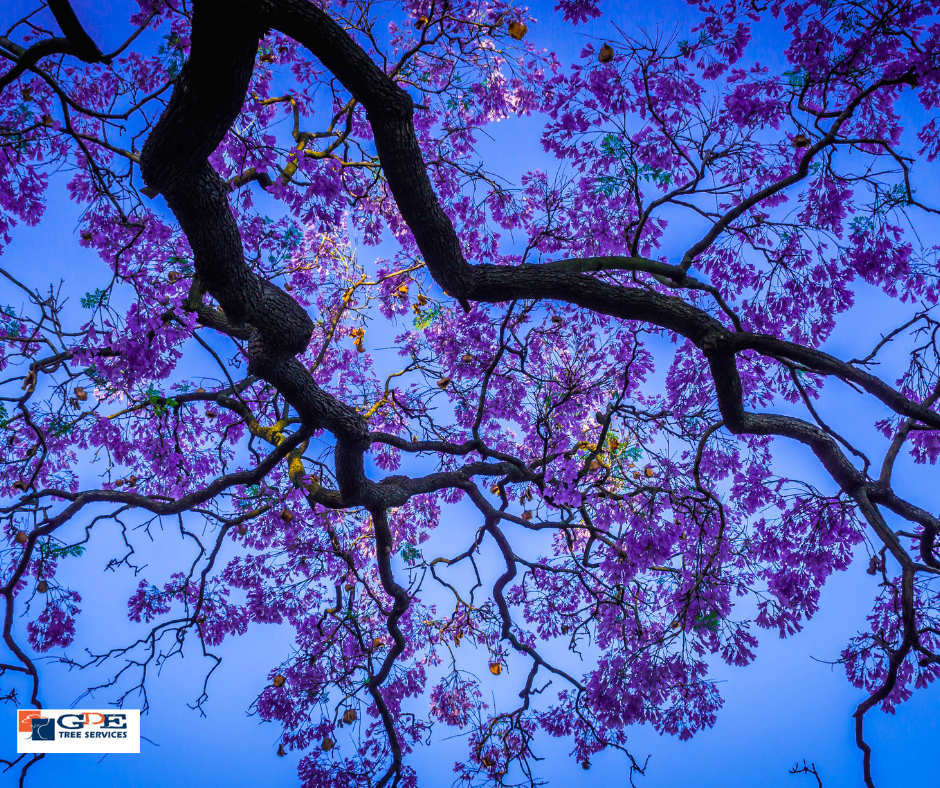
Jacaranda (Jacaranda mimosifolia) is originally from South America, but it has become a familiar and much-loved landscape tree across many parts of South East Queensland. In full flower, the canopy can turn a striking blue-purple, and the carpet of fallen blooms underneath is part of the attraction.
Their appeal is not just visual. Jacarandas can also provide useful seasonal shade, a broad spreading canopy and a soft, elegant tree form that suits parks, avenues and larger residential gardens.
Jacarandas are best thought of as medium to large ornamental trees, not small garden fillers. They are at their best when they are given enough room to develop naturally rather than being squeezed into a space that will later require constant reduction.
What Does a Mature Jacaranda Look Like?
Canopy and Shape
Jacarandas commonly develop a broad, spreading canopy with a light, feathery appearance. Their graceful branch structure is one of the main reasons they are so widely planted as ornamental feature trees.
Leaves and Flowering
The foliage is delicate and fern-like, while the flowers appear in large clusters that can dominate the canopy during spring. The seasonal display is especially noticeable when the tree flowers before the new leaf flush fills out.
Typical Size
On suitable sites, Jacarandas can reach a size that makes them more appropriate for larger front yards, backyards, streetscapes and open landscapes than tight urban courtyards.
Seasonal Litter
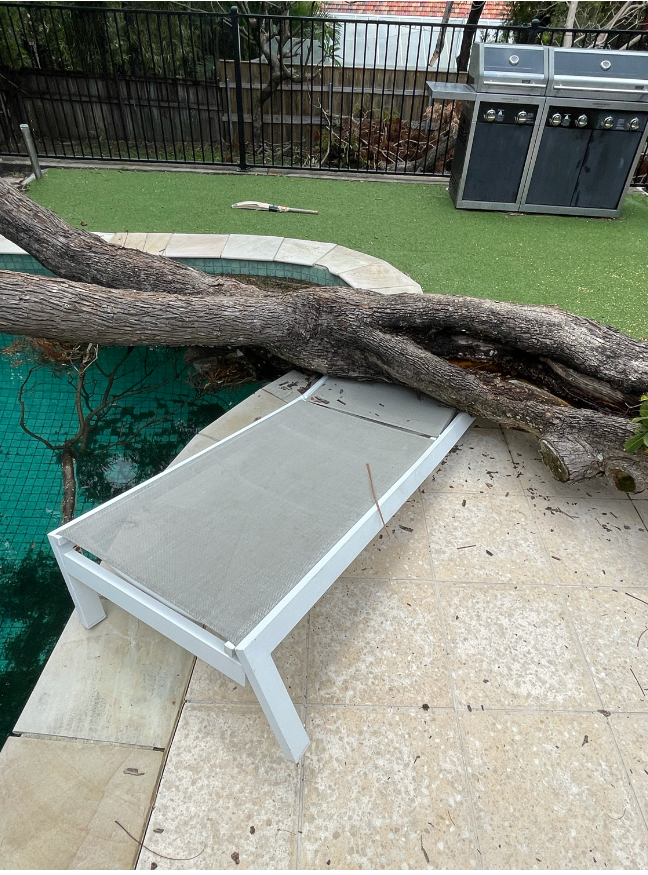
Leaves, flowers and seed pods all contribute to seasonal cleanup. That is not necessarily a problem, but it is worth planning for if the tree is close to driveways, pools, roofs or outdoor entertaining areas.
Flowering Season and Local Appeal
In South East Queensland, Jacarandas are most closely associated with spring. Their purple flowering period is one of the seasonal highlights in many suburbs and streetscapes, and it is easy to see why they remain a favourite ornamental choice.
The timing and intensity of flowering can vary from one year to the next depending on rainfall, seasonal temperatures, the age of the tree and local growing conditions, but the peak display is often around October and November.
How to Care for a Jacaranda Tree
| Care Consideration | What to Keep in Mind |
|---|---|
| Position | Jacarandas are better suited to open positions with good light and enough room for canopy and root development. |
| Watering | Young trees benefit from regular watering while establishing. Mature trees are generally more self-sufficient, but prolonged dry conditions can still place them under stress. |
| Soil and Drainage | Well-drained soil is preferable. Persistently waterlogged conditions can cause poor performance and long-term health issues. |
| Mulching | A sensible mulch layer around the root zone can help conserve moisture and reduce competition, while keeping mulch clear of direct trunk contact. |
| Pruning | Pruning is best aimed at structure, clearance, deadwood and damaged branches rather than repeated heavy size reduction. |
| Monitoring | Regular inspections can help identify storm damage, dead limbs, branch crowding or canopy issues before they become larger problems. |
Common Practical Issues With Jacarandas
Jacarandas are beautiful, but they are not maintenance-free. Some of the more common issues property owners notice include:
- flower and leaf litter on driveways, roofs and paved areas;
- branches extending towards buildings, roads or neighbouring property;
- competition for space in smaller backyards;
- canopy imbalance after storm damage or poor pruning; and
- trees planted too close to structures or services.
Beautiful Trees Can Still Be the Wrong Tree for the Wrong Space
A Jacaranda that is perfectly manageable in a large front yard may become a constant pruning issue in a tight residential position. Before planting, think beyond the young nursery tree and plan for the mature canopy.
Should You Prune or Lop a Jacaranda?
If a Jacaranda is healthy and has enough room, routine pruning should be fairly limited. Most work is usually about removing deadwood, improving structure, maintaining branch clearance or responding to storm damage.
Where a canopy has become too large for the available space, selected branch reduction may be appropriate. In those situations, tree lopping in Brisbane should be approached as a planned reduction job rather than indiscriminate cutting that spoils the tree's form.
Because Jacarandas are valued largely for their elegant structure and flowering canopy, over-pruning can quickly undermine the very reasons people want to keep them.
When Removal May Be the Better Option
Not every Jacaranda can or should be retained indefinitely. Removal may be worth considering where the tree is structurally compromised, has outgrown the site, is causing an unacceptable conflict with the property, or would require repeated severe pruning just to remain in place.
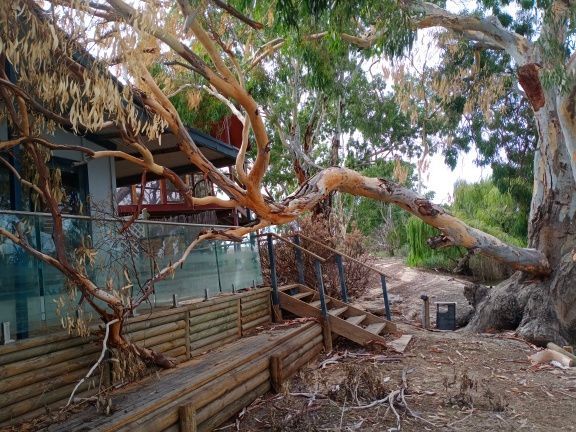
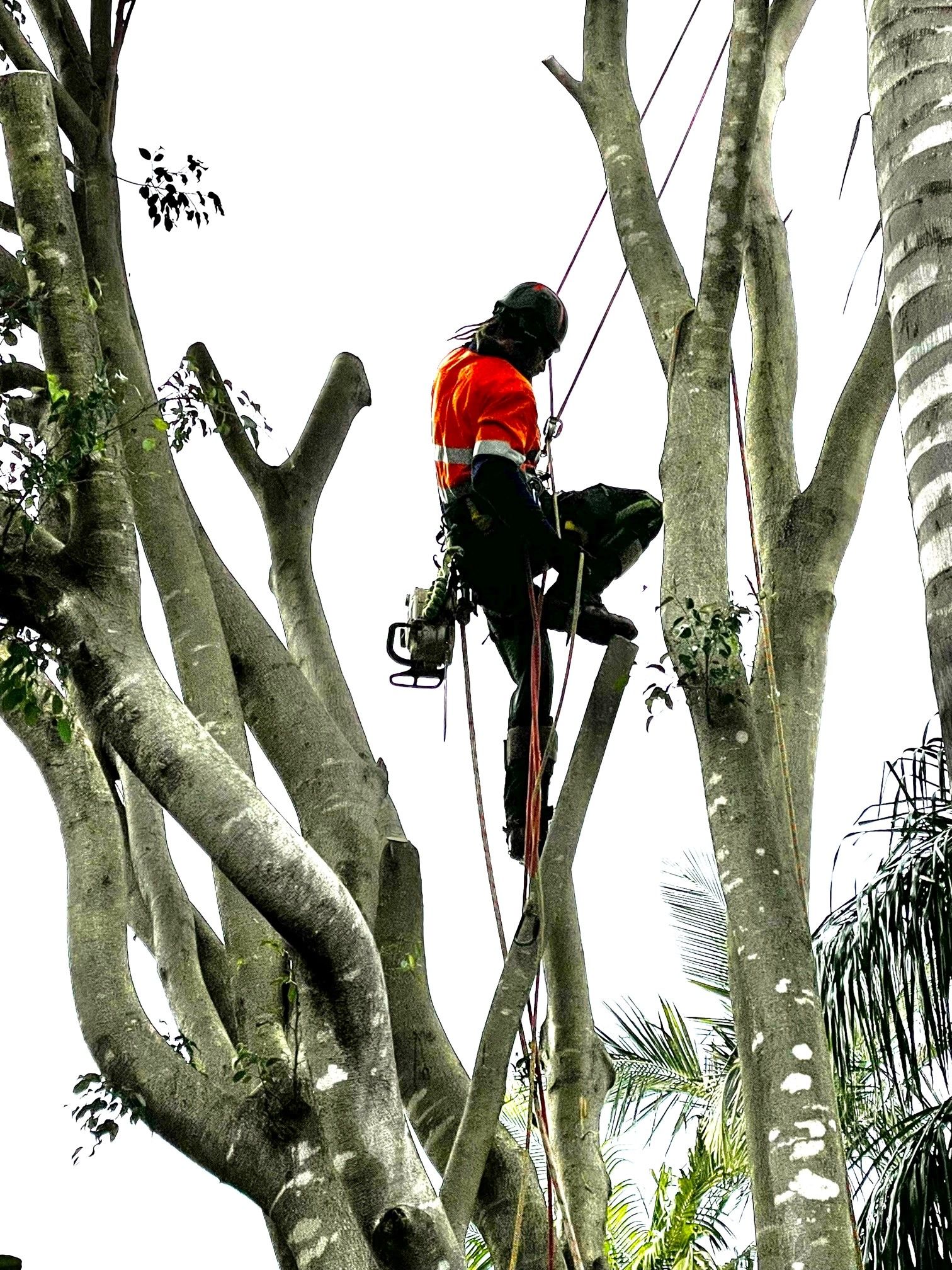
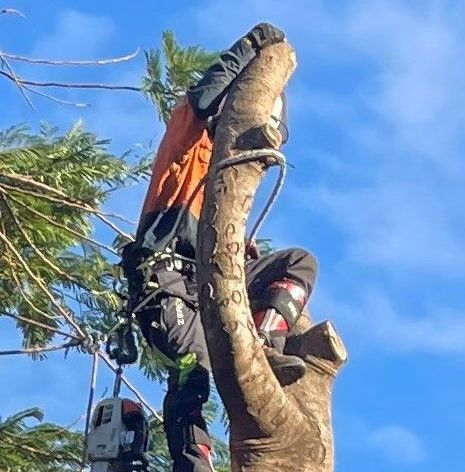
On a property with enough clear room, controlled tree felling may be a practical method of removal. On tighter suburban sites, the tree may instead need to be dismantled in sections.
Before removing a protected tree, always check whether local Council controls apply to the property.
Are Jacarandas Right for Every Garden?
No—and that is an important part of the decision. If you want a compact, tidy, low-litter tree for a very small yard, a Jacaranda may not be the best match. If you have the room for a medium to large ornamental tree and appreciate a spectacular spring display, it can be a rewarding long-term feature.
Matching the tree to the site is what makes ongoing maintenance more manageable. The best ornamental tree is not just the prettiest one—it is the one that can grow well in the space without becoming a long-term problem.
Jacaranda Tree Services in Brisbane and South East Queensland
GDE Tree Services has been working across South East Queensland since 1987. Whether you need seasonal pruning, canopy management, branch reduction or removal of an unsuitable or hazardous tree, the team can provide a free written quote.
And yes—we turn up to every quote, on time, every time.
Frequently Asked Questions About Jacaranda Trees
When do Jacaranda trees flower in South East Queensland?
Jacarandas usually flower in spring, with their strongest purple display often appearing around October and November depending on seasonal conditions and the individual tree.
Are Jacaranda trees suitable for small backyards?
Not always. Jacarandas can develop a broad canopy and are better suited to properties with enough space for their mature size. They can create ongoing pruning pressure if planted too close to houses, driveways, pools or boundary fences.
Do Jacaranda trees lose their leaves?
Yes. Jacarandas are deciduous to semi-deciduous in local conditions, and they can shed leaves and flowers seasonally. The purple flower drop is part of their appeal, but it can also create cleanup around paths, patios and parked cars.
How often should a Jacaranda be pruned?
Jacarandas should not need heavy pruning on a routine basis if they are planted in a suitable location. Pruning is generally best limited to deadwood removal, structural corrections, branch clearance or storm-damage management.
Do Jacarandas have invasive roots?
Like many medium to large trees, Jacarandas need enough room for their root system. They are best planted with sensible separation from buildings, pavements, retaining walls and underground services rather than treated as a compact garden tree.
Can a Jacaranda be reduced in size?
Sometimes selected branch reduction may be appropriate, but repeatedly cutting back a mature Jacaranda can lead to ongoing maintenance and a compromised canopy shape. If the tree is fundamentally too large for the site, removal may sometimes be the better long-term option.
When might a Jacaranda need to be removed?
Removal may be considered when the tree is structurally unsound, has outgrown the site, is causing an unacceptable conflict with the property, or has declined beyond practical retention.
Does GDE Tree Services work on Jacaranda trees in Brisbane?
Yes. GDE Tree Services provides tree trimming, pruning, lopping and removal services in Brisbane and South East Queensland, including work on established ornamental trees such as Jacarandas.
Need Help With a Jacaranda Tree?
GDE Tree Services can inspect the tree and property and provide a free written quote for pruning, lopping or removal where required.
Request a Free Written QuoteThis article provides general information only. Suitable care and pruning depend on the age, structure and location of the individual tree.