6 Best Trees and Shrubs for Privacy Screening in Brisbane
A well-planned privacy screen can soften a boundary, reduce overlooking and create a greener outdoor space. The best results come from choosing plants that naturally suit the height and width available, rather than planting something too large and relying on constant tree trimming and pruning to keep it under control.
Brisbane's subtropical climate supports many screening plants, but mature size, drainage, sunlight, neighbouring properties, services and future maintenance should all be considered before planting.
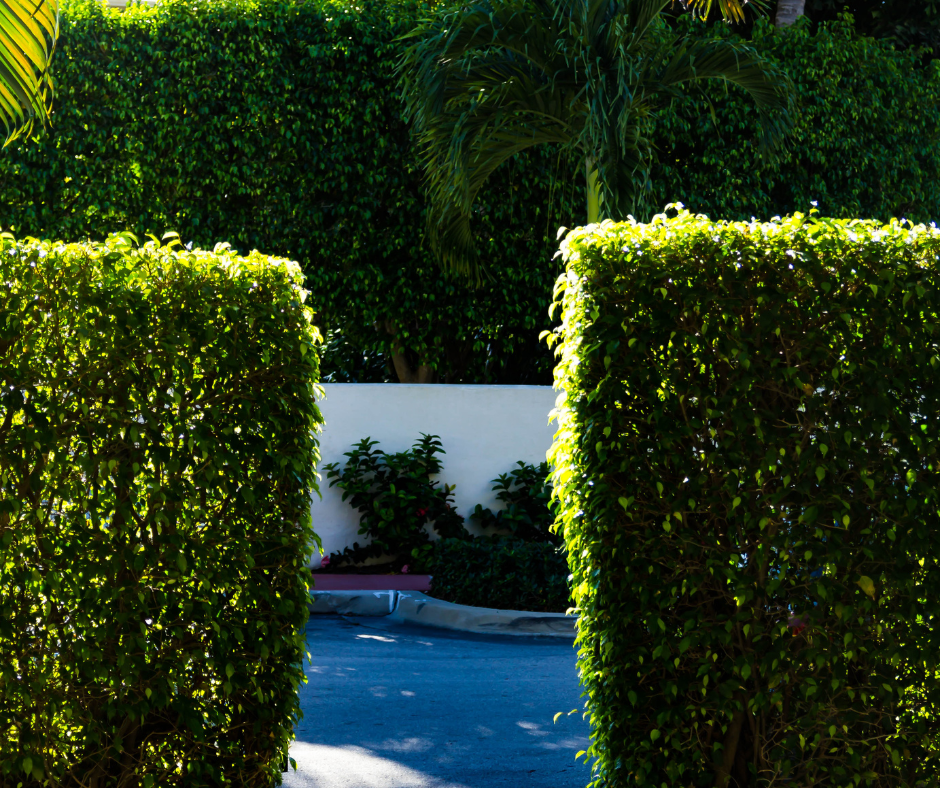
What Makes a Good Privacy Screen in Brisbane?
A good screening plant should suit the space when mature, retain enough foliage to provide the level of privacy required and respond well to the amount of maintenance you are prepared to give it.
Before choosing a species, consider:
- the finished height and width you actually need;
- how much sun the planting area receives;
- soil drainage and available root space;
- distance from fences, buildings, pools and retaining walls;
- overhead and underground services;
- whether you want a formal hedge or a more natural screen;
- how much leaf, flower or seed drop is acceptable; and
- how regularly you are willing to prune.
Choose for mature size, not nursery size. A plant that naturally grows close to your required screening height will generally be easier to manage than a large tree that needs repeated heavy cutting to stay within the space.
6 Screening Trees and Shrubs Suited to Brisbane Gardens
The following six options are based on plants Brisbane City Council recommends for local gardens, screens, hedges or windbreaks.
1. Lilly Pilly
Syzygium spp.Lilly Pillies are one of Brisbane's most useful screening plants because their evergreen foliage responds well to regular pruning. Different species and cultivars vary significantly in mature height and width, so choose the exact plant for the space rather than relying on the common name alone.
Best for: Suburban boundaries, hedges and evergreen privacy screens.
2. Weeping Lilly Pilly
Waterhousea floribundaWeeping Lilly Pilly develops a larger, more tree-like screen than many compact Lilly Pilly cultivars. Brisbane City Council describes it as a hardy evergreen suitable for a dense screen or windbreak, with regular trimming helping to keep the foliage bushy.
Best for: Larger properties needing a tall green screen or windbreak.
3. Bottlebrush
Callistemon spp.Bottlebrushes combine screening foliage with nectar-rich flowers that attract birds and insects. Brisbane City Council lists suitable Bottlebrush forms as fast-growing screening plants and recommends regular pruning to encourage denser growth and flowering.
Best for: Sunny boundaries where privacy and wildlife value are both important.
4. Golden Penda
Xanthostemon chrysanthusGolden Penda is an evergreen native with glossy foliage and clusters of bright yellow flowers. It can be used as a taller screen or windbreak where there is enough room for a small tree rather than a tightly clipped hedge.
Best for: Medium to large gardens wanting height, colour and screening.
5. Brisbane Wattle
Acacia fimbriataBrisbane's native floral emblem produces masses of pale-yellow flowers and can be used as a screen where a softer, more natural look is preferred. It is better suited to an informal planting than a formal clipped hedge.
Best for: Native gardens, wider boundaries and informal privacy planting.
6. Tea Tree
Leptospermum spp.Suitable Tea Tree varieties form bushy evergreen growth with white or pink flowers. Brisbane City Council includes Tea Tree among its medium shrubs and notes that it can work well as a screen, hedge or windbreak in a sunny, well-drained position.
Best for: Natural-looking screens where flowering and dense branching are wanted.
Which Screening Plant Suits Your Yard?
| If You Need... | Consider... | Why |
|---|---|---|
| A compact evergreen hedge | Lilly Pilly | Dense foliage, responsive to pruning and available in many sizes. |
| A tall evergreen screen | Weeping Lilly Pilly | Develops into a substantial, dense screen where more height is available. |
| Flowers and wildlife value | Bottlebrush | Nectar-rich flowers plus useful screening foliage. |
| A taller flowering feature screen | Golden Penda | Combines height, evergreen foliage and bright yellow flowers. |
| An informal native boundary | Brisbane Wattle | Suitable where a softer, natural screen is preferred to a clipped hedge. |
| A bushy flowering hedge or windbreak | Tea Tree | Suitable forms grow densely and can be maintained as an informal screen. |
Why Murraya Is Not on This Updated List
Murraya has historically been one of the most commonly planted privacy hedges in South East Queensland. However, Brisbane City Council lists the exotic form of Murraya paniculata , commonly called mock orange, as Council Pest Vegetation and an environmental weed.
For a new Brisbane screen, choosing a locally suitable alternative such as Lilly Pilly, Bottlebrush or another Council-recommended native can provide privacy without introducing the same weed concern.
Already Have an Established Murraya Hedge?
Do not assume it needs immediate removal solely because of this classification. Property circumstances differ. If you are considering replacing a mature hedge or nearby tree, first work out what replacement screen will suit the site and check any relevant vegetation controls before removing established trees.
How to Keep a Privacy Screen Dense Without Over-Pruning
Screening plants usually respond best to regular maintenance while the branches are still relatively small. Allowing a screen to become oversized and then repeatedly cutting back major limbs can leave gaps, large wounds and an uneven canopy.
For established screens:
- prune often enough to maintain the desired width and height;
- avoid stripping all foliage from the lower section;
- maintain enough width for healthy foliage on both sides;
- remove dead or damaged branches as they appear;
- keep access clear for future maintenance; and
- review the planting if it has fundamentally outgrown the available space.
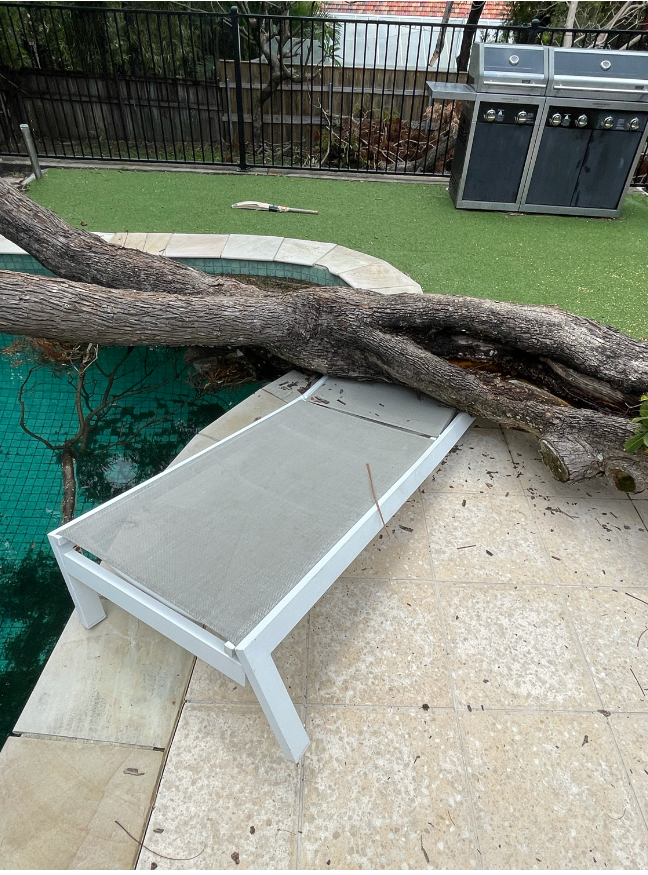
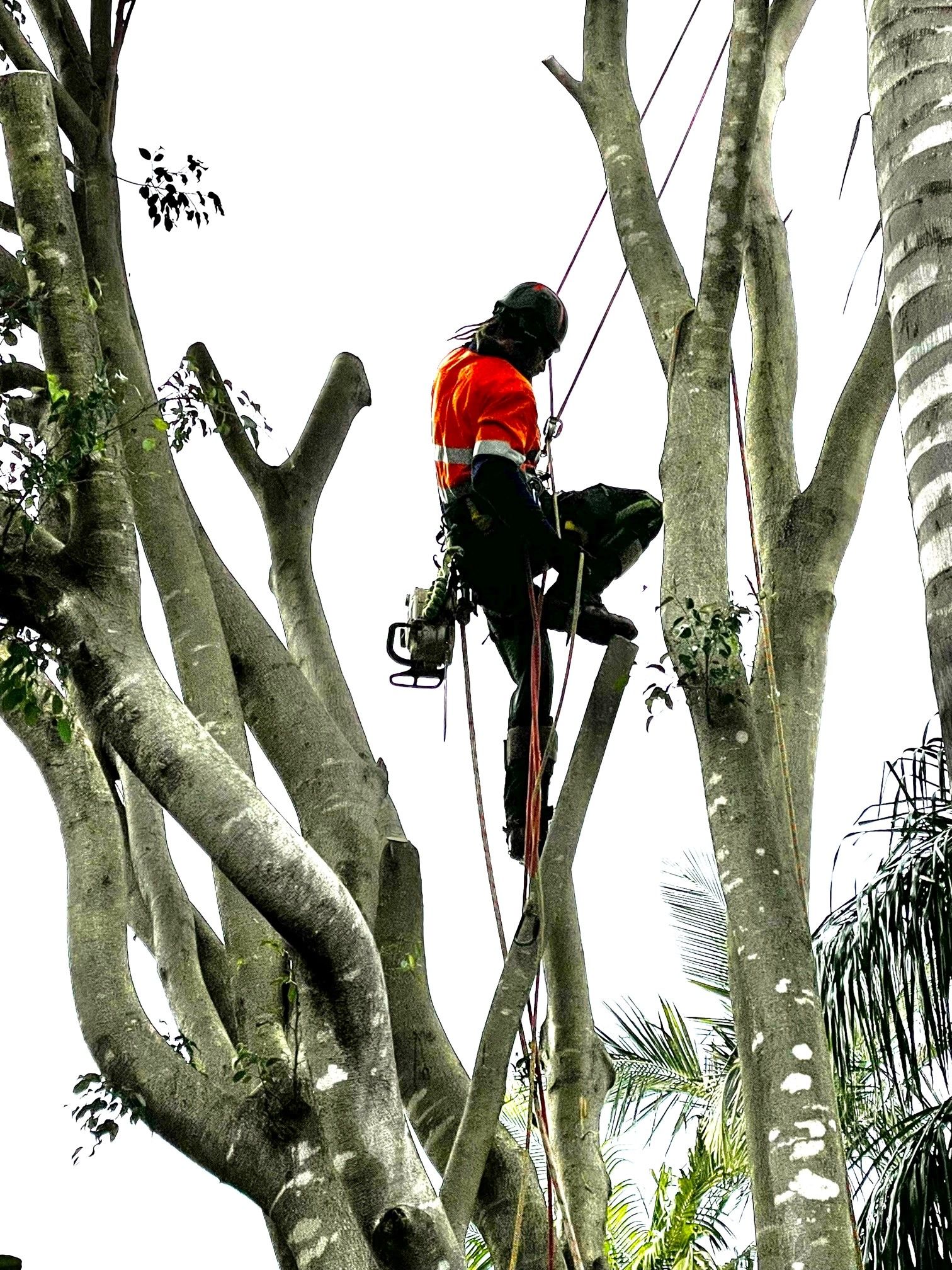
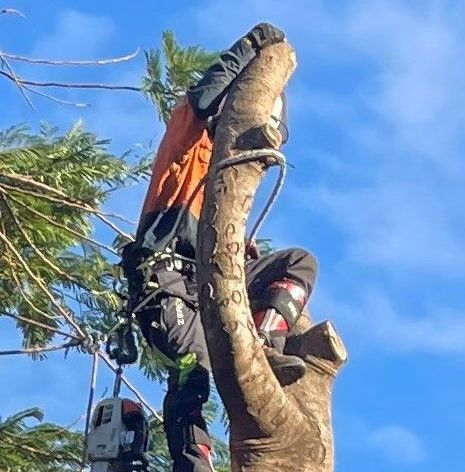
Where larger branches have already become a problem, professional tree lopping may be appropriate for selected branch or canopy reduction, depending on the tree and the site.
Replacing an Unsuitable Existing Tree With a Privacy Screen
Sometimes the best place for a new screen is already occupied by a tree that has become unsuitable for the property. Before removal, check whether Council vegetation controls or other property conditions apply.
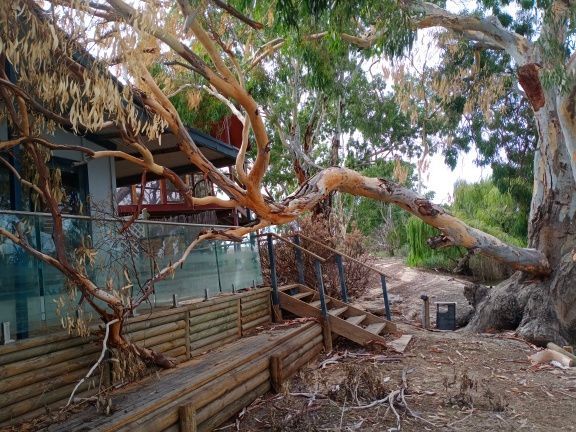
If removal is appropriate, the method depends on the size of the tree, available space and surrounding structures. Where there is sufficient clear landing area, controlled tree felling may be suitable. Trees beside buildings, fences or neighbouring properties may instead need to be dismantled in sections.
Plan the replacement before the old tree is removed. That makes it easier to choose a screening plant that will provide the required privacy without creating the same space problem again.
Brisbane Residents May Be Eligible for Free Native Plants
Brisbane City Council's Free Native Plants program provides eligible residential properties with free native plants each financial year. The available range includes screening plants, shrubs and feature trees suited to Brisbane's soils and subtropical climate.
The Council plant list includes Lilly Pilly, Bottlebrush, Tea Tree, Golden Penda and Weeping Lilly Pilly among its screening, hedge or windbreak options.
View the current Brisbane Free Native Plants program before choosing your plants, as seasonal availability can change.
Need Help With Established Screening Trees?
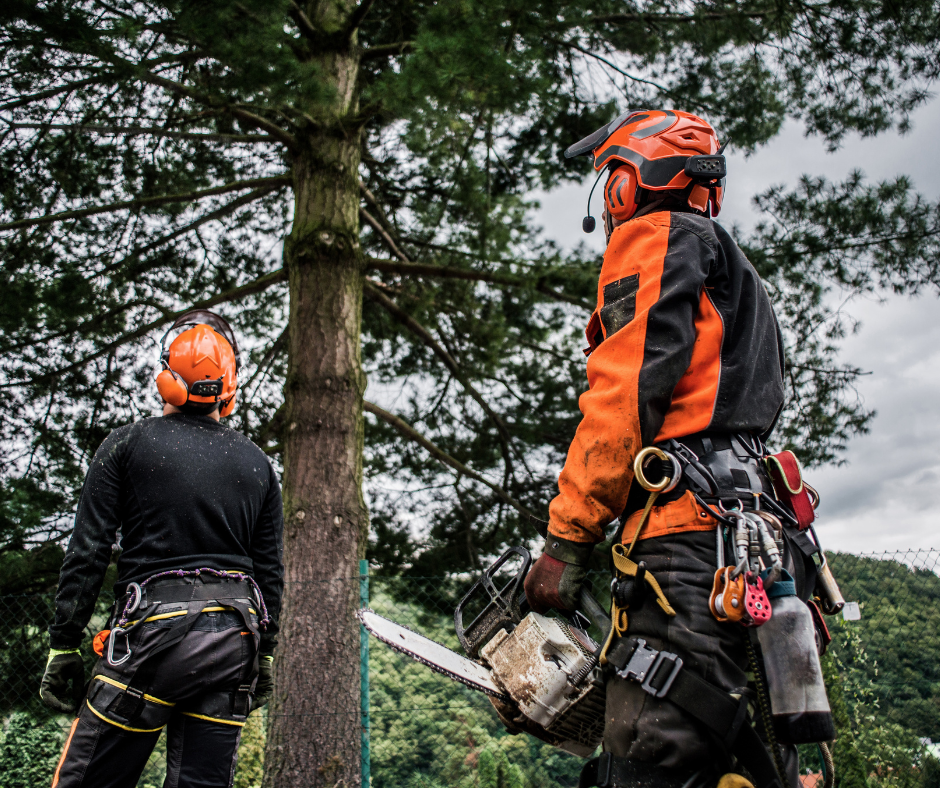
GDE Tree Services has worked across Brisbane and South East Queensland since 1987. The team can assess established trees and large screening plants and provide a free written quote for appropriate pruning, branch reduction or other tree work.
Frequently Asked Questions About Privacy Screening in Brisbane
What is the best privacy screening plant for Brisbane?
There is no single best plant for every property. Lilly Pilly is a versatile choice for many suburban gardens, while Weeping Lilly Pilly and Golden Penda suit taller screens and Tea Tree or Bottlebrush can provide a more natural flowering screen.
How tall should a privacy screen be?
Choose the height according to what you need to screen and the mature size of the plant. A plant that naturally grows close to the required height is usually easier to manage than a much larger tree that must be repeatedly cut back.
How far from a fence should screening trees be planted?
Spacing depends on the mature width of the species or cultivar, the fence, nearby structures, underground services and access needed for future pruning. Check the plant label and plan for mature width rather than the size of the nursery pot.
Is Murraya a good screening plant in Brisbane?
Murraya has traditionally been widely planted as a hedge, but Brisbane City Council lists the exotic form of Murraya paniculata, commonly called mock orange, as Council Pest Vegetation and an environmental weed. For new Brisbane screening, locally suitable alternatives are preferable.
Are Lilly Pillies good for privacy?
Yes. Brisbane City Council recommends Lilly Pillies as screens, windbreaks and hedges. Because species and cultivars vary widely in size, select one that matches the required height and width.
How often should a screening hedge be trimmed?
Frequency depends on species, growth rate and the desired shape. Light, regular pruning is usually easier to manage than allowing a screen to become very large and then repeatedly removing major branches.
Can an existing tree be removed to make room for a privacy screen?
Potentially, but Council vegetation rules and other property-specific controls should be checked before removal. The removal method depends on tree size, condition, access and surrounding structures.
Need an Established Tree or Screen Pruned?
GDE Tree Services can inspect established trees and screening vegetation and provide a free written quote for the tree work required.
Request a Free Written Quote