How to Cut Down a Tree Safely: A Guide to Professional Tree Felling
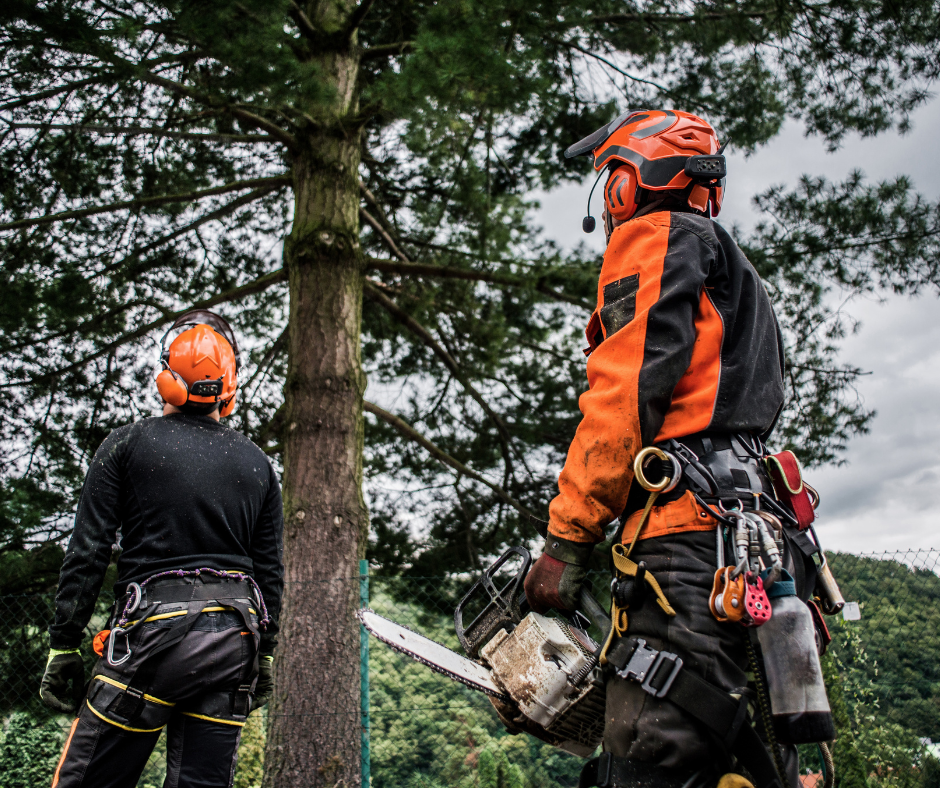
Cutting down a mature tree is not simply a matter of starting a chainsaw and choosing where you want the tree to land. Professional tree felling in Brisbane involves assessing the tree, the available landing area, surrounding structures, ground conditions, weather, overhead hazards and the behaviour of the tree before any cutting begins.
WorkSafe Queensland warns that manual tree felling with a chainsaw can be dangerous and should only be carried out by people with appropriate training, experience and competence for the particular task.
Why Tree Felling Requires Professional Planning
A standing tree can weigh many tonnes, and its movement once cutting begins is affected by more than its visible lean. Branch weight, crown shape, internal defects, deadwood, wind, slope, root condition and contact with neighbouring trees can all influence what happens.
WorkSafe Queensland lists hazards associated with manual felling that include damaged, hollow or leaning trees, falling limbs, unsuitable ground conditions, wind, chainsaw kickback, poor escape planning and trees that do not fall in the intended direction.
This Is Not a DIY Felling Tutorial
The cutting sequence used to fell a mature tree needs to be selected and carried out by a competent operator after inspecting the individual tree and site. Generic instructions cannot account for structural defects, tension, lean, wind, obstacles or the way a particular tree may react as it is cut.
How Professional Tree Felling Is Planned
Assess the Tree and Site
The first step is determining whether the tree is actually suitable for felling. The crew assesses its size, lean, crown weight, visible defects, dead branches, surrounding trees, ground conditions and nearby structures.
A tree that is badly decayed, storm damaged or structurally unstable may require a different removal method because its behaviour can be harder to predict.
Identify the Landing and Exclusion Area
Controlled felling requires enough unobstructed space for the tree and any moving branches. The area must also keep people, vehicles and other workers clear of the potential fall zone.
WorkSafe Queensland emphasises exclusion zones as an important control for both manual and machine-assisted tree felling.
Check Overhead and Ground Hazards
Powerlines, sloping or unstable ground, fences, buildings, roads and neighbouring properties can make a seemingly straightforward tree much more complex.
Weather also matters. Wind direction and speed can change the load on the crown and affect the way a tree behaves during removal.
Select the Removal Method
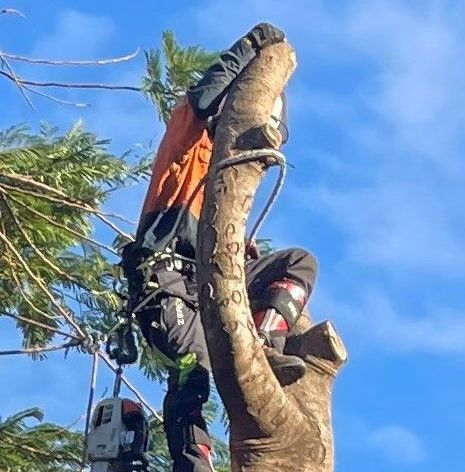
Whole-tree or controlled felling is only one option. Where there is not enough safe landing space, the tree may need to be dismantled progressively using climbing, rigging, an elevated work platform or suitable machinery.
The safest method is the one that suits the actual site—not necessarily the fastest-looking option from the ground.
Control the Work Area
Before the tree is brought down, the crew establishes a safe work zone, controls access and makes sure workers know the planned sequence and their roles.
Ropes, machinery or other equipment may be used where the site-specific plan requires additional control.
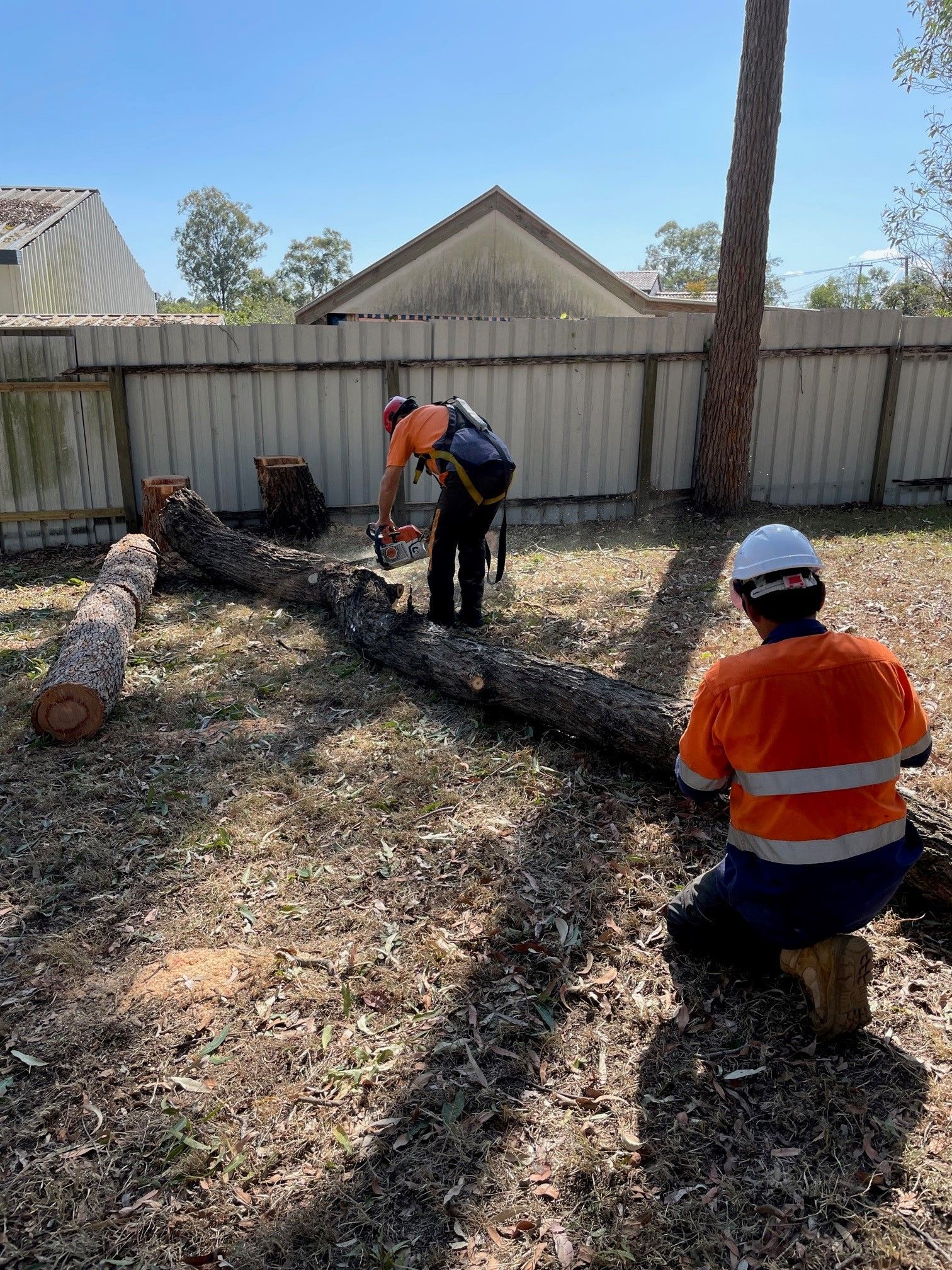
Process the Tree After It Is Down
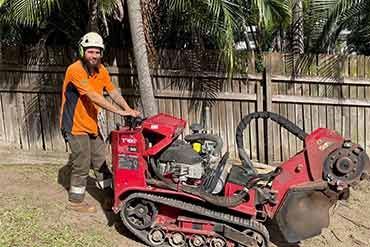
Once the tree is safely on the ground, branches and trunk sections can be processed for removal, chipping or retention on-site as agreed in the quote.
The remaining stump can then be assessed for stump grinding or stump removal if the customer wants the area cleared.
Tree Felling vs Sectional Tree Removal
People often use “tree removal” and “tree felling” interchangeably, but felling is a specific method of removing a tree.
| Method | When It May Be Used | Typical Site Considerations |
|---|---|---|
| Controlled tree felling | The whole tree, or a substantial section, can be brought down into a planned landing area. | Requires adequate space and suitable tree, ground and weather conditions. |
| Sectional dismantling | The tree is removed progressively in smaller sections. | Common where buildings, fences, pools, roads or neighbouring property limit the landing area. |
| Machine-assisted removal | Suitable machinery is incorporated into the removal plan. | Requires appropriate access, ground capacity, exclusion zones and competent operators. |
WorkSafe Queensland has also warned about the risks involved when cranes and other mobile plant are used for tree removal. Machinery can make complex work possible, but it must be suitable for the task and operated within a properly planned system of work.
Why Trees Near Powerlines Are Different
A tree does not need to physically touch a powerline for electrical hazards to become part of the job. Tree sections, machinery, ropes and equipment can all create risks when work is carried out around overhead infrastructure.
Never Attempt Tree Work Near Powerlines Yourself
Energex advises property owners not to trim trees or vegetation near powerlines themselves. Trees growing in or close to network lines should be reported through Energex, while vegetation near the service line to a property should be handled by a professional tree worker.
Energex also advises contacting the network for safety guidance when machinery is being used to clear trees near powerlines.
Signs a Tree Should Not Be Treated as a Straightforward DIY Job
Mature-tree work warrants professional assessment, but some conditions make the risk especially obvious:
- the tree is taller than the clear space available around it;
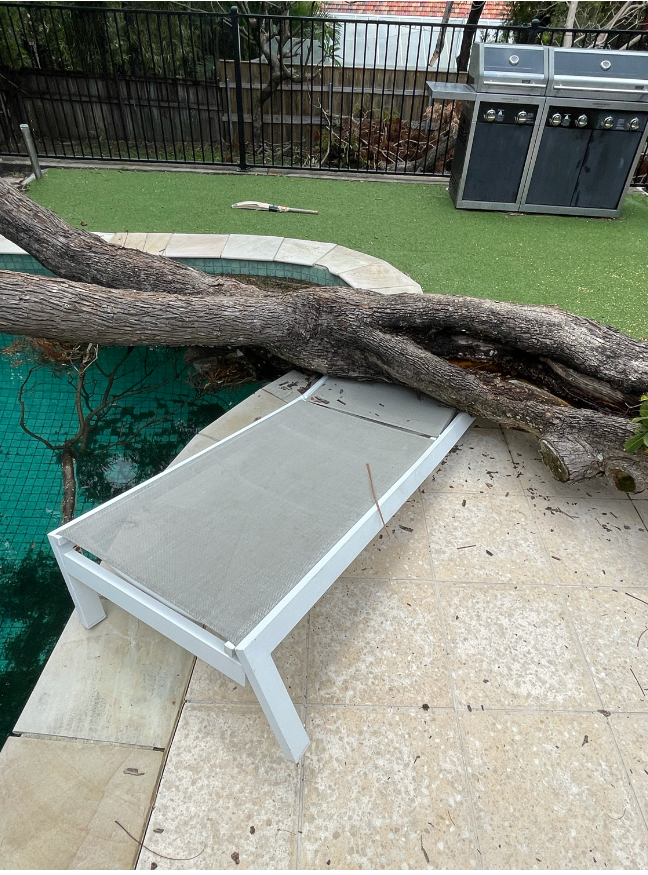
- it is close to a house, shed, pool, fence, road or neighbouring property;
- overhead powerlines or service lines are nearby;
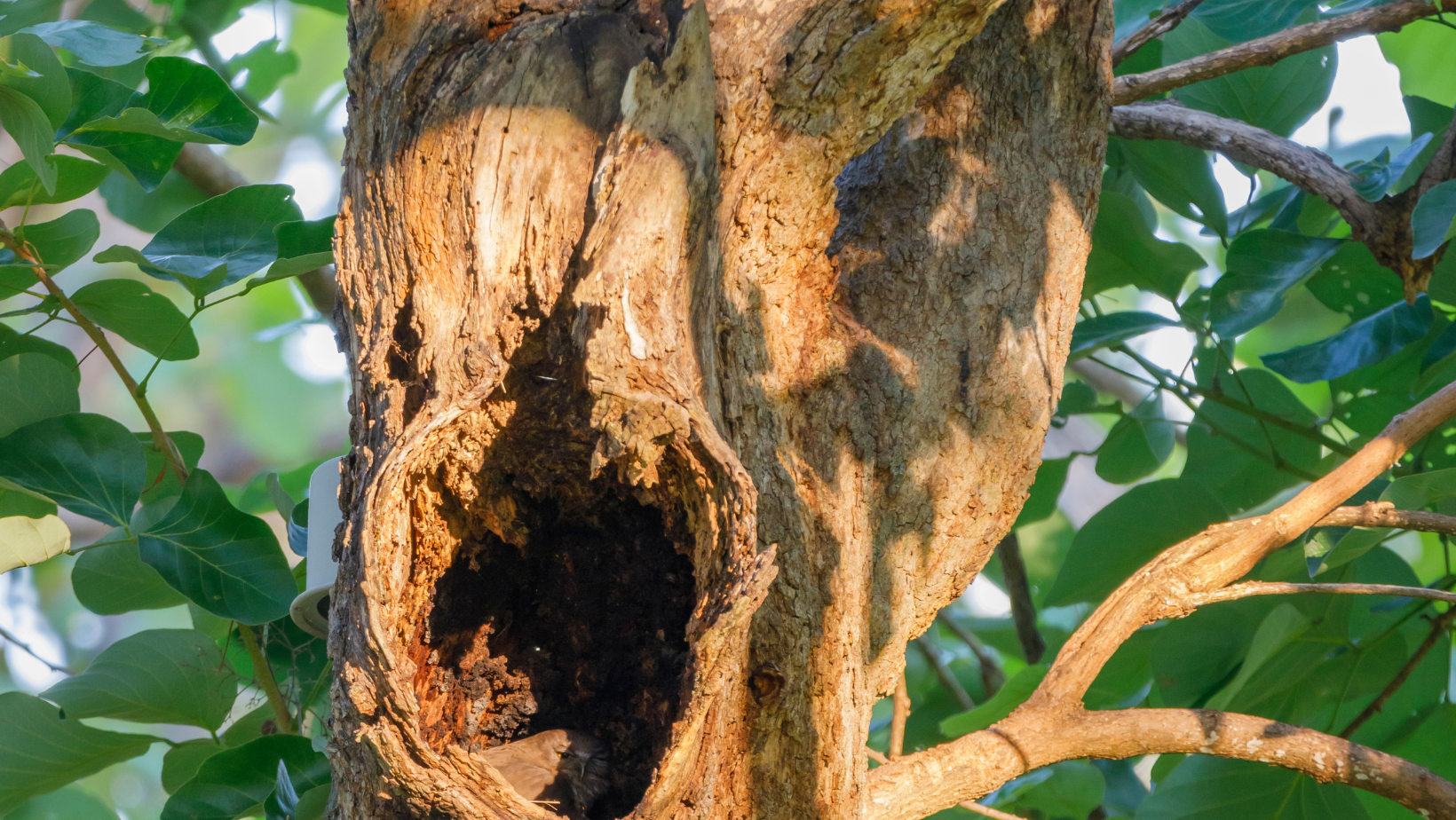
- the tree is leaning, hollow, cracked or visibly decayed;
- large dead or broken branches are present;
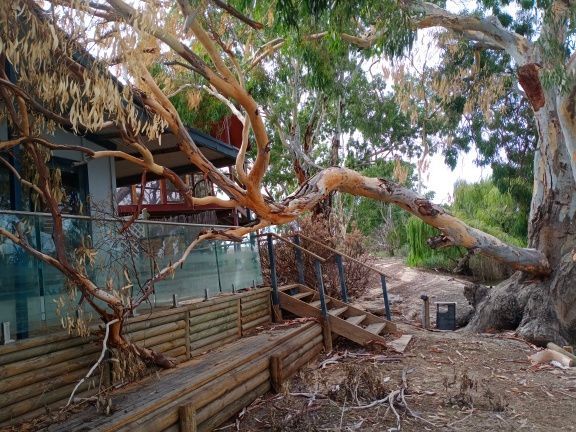
- the tree has been damaged by a storm;
- the ground is sloping, soft, saturated or unstable;
- branches are tangled with another tree; or
- there is no large, unobstructed landing area.
A tree appearing to have a clear fall direction does not make it predictable. WorkSafe Queensland has documented fatal incidents in which trees or branches did not behave as expected during felling operations.
What Happens to the Stump After Felling?
Felling removes the standing tree but generally leaves the stump and roots in the ground. Depending on the customer's plans for the area, the stump can be left, ground below surrounding ground level or removed using an appropriate method.
Stump work is worth discussing at quote stage so it is clear whether it is included in the tree-removal scope or priced separately.
What About Storm-Damaged or Unstable Trees?
Storm-damaged trees can involve suspended branches, split trunks, unstable root plates and timber under unexpected tension. These conditions can make ordinary cutting methods much more hazardous.
Where a damaged tree is creating an immediate property hazard, emergency tree removal in Brisbane may be required to make the area safe before further clean-up or stump work is carried out.
Professional Tree Felling From GDE Tree Services
GDE Tree Services has worked across Brisbane and South East Queensland since 1987. The team can inspect the tree and site, determine whether controlled felling is appropriate and provide a free written quote for the work required.
Where felling is not suitable, the removal can be planned around the property's access, surrounding structures and available equipment rather than forcing the tree into an unsuitable method.
Frequently Asked Questions About Tree Felling
Can I cut down a tree myself?
Small garden plants are very different from mature trees. WorkSafe Queensland warns that manual tree felling with a chainsaw can be dangerous and should only be carried out by people with appropriate training, experience and competence for the task.
What is controlled tree felling?
Controlled tree felling is a removal method used where there is enough suitable landing space to bring a tree down in a planned direction. It is not appropriate for every site, particularly where buildings, fences, roads, neighbouring property or powerlines restrict the available space.
What is the difference between tree felling and sectional dismantling?
Tree felling brings the tree down into a suitable landing area. Sectional dismantling removes the tree in smaller controlled pieces, often using climbing, rigging, elevated work platforms or machinery when the site is too confined for whole-tree felling.
What makes tree felling dangerous?
Hazards can include an unexpected fall direction, dead or falling branches, a damaged or leaning tree, wind, unstable or sloping ground, chainsaw kickback, nearby structures and overhead powerlines.
Can a tree be felled near powerlines?
Tree work near powerlines requires specialist planning. Energex says property owners should never trim vegetation near powerlines themselves and should use professional tree workers or contact the electricity network where appropriate.
Does the stump come out when a tree is felled?
No. Felling removes the standing tree but normally leaves the stump and root system in the ground. Stump grinding or stump removal is a separate stage unless it is included in the quote.
When is tree felling not suitable?
Felling may not be suitable where there is insufficient landing space, where the tree is structurally unstable in a way that makes its behaviour difficult to predict, or where buildings, roads, neighbouring property, powerlines or other obstacles make sectional dismantling safer.
Does GDE Tree Services provide tree felling in Brisbane?
Yes. GDE Tree Services provides controlled tree felling and other tree removal methods across Brisbane and surrounding areas, with the method selected according to the tree, access and site conditions.
Need a Tree Assessed for Felling?
GDE Tree Services can inspect the tree, assess access and surrounding hazards, and provide a free written quote for the most appropriate removal method.
Request a Free Written QuoteThis article provides general information about professional tree-felling safety and is not a substitute for site-specific assessment, training or safe work procedures.