Tree Risk Assessments Brisbane: Is Your Tree a Storm Risk?
A tree does not have to be dead—or even look unhealthy—to deserve a closer look. Large dead branches, fresh cracks, cavities, previous storm damage or changes around the roots can all affect how a tree should be managed around a home, driveway or other high-use area.
GDE Tree Services provides free on-site tree risk assessments in Brisbane to identify visible concerns, discuss the practical options and provide a written quote where tree work is recommended.
What Is a Tree Risk Assessment?
A practical tree risk assessment looks at the condition of the tree, visible defects and what could be affected if a branch or the tree failed.
The aim is not to label every large tree as dangerous. It is to work out whether there is a genuine problem, how significant it appears to be and whether monitoring, pruning or removal should be considered.
What We Look for During a Tree Risk Assessment
Dead, Broken or Hanging Branches
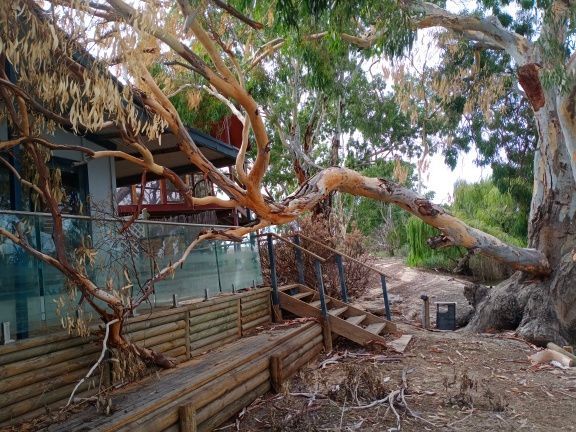
Large deadwood, partially detached limbs and branches damaged by previous storms deserve more attention when they sit over a house, driveway, road or outdoor area.
Cracks and Branch Unions
Fresh cracks through the trunk or where major branches join can indicate movement or structural weakness. Old scars and natural features need to be distinguished from recent changes.
Cavities and Decay
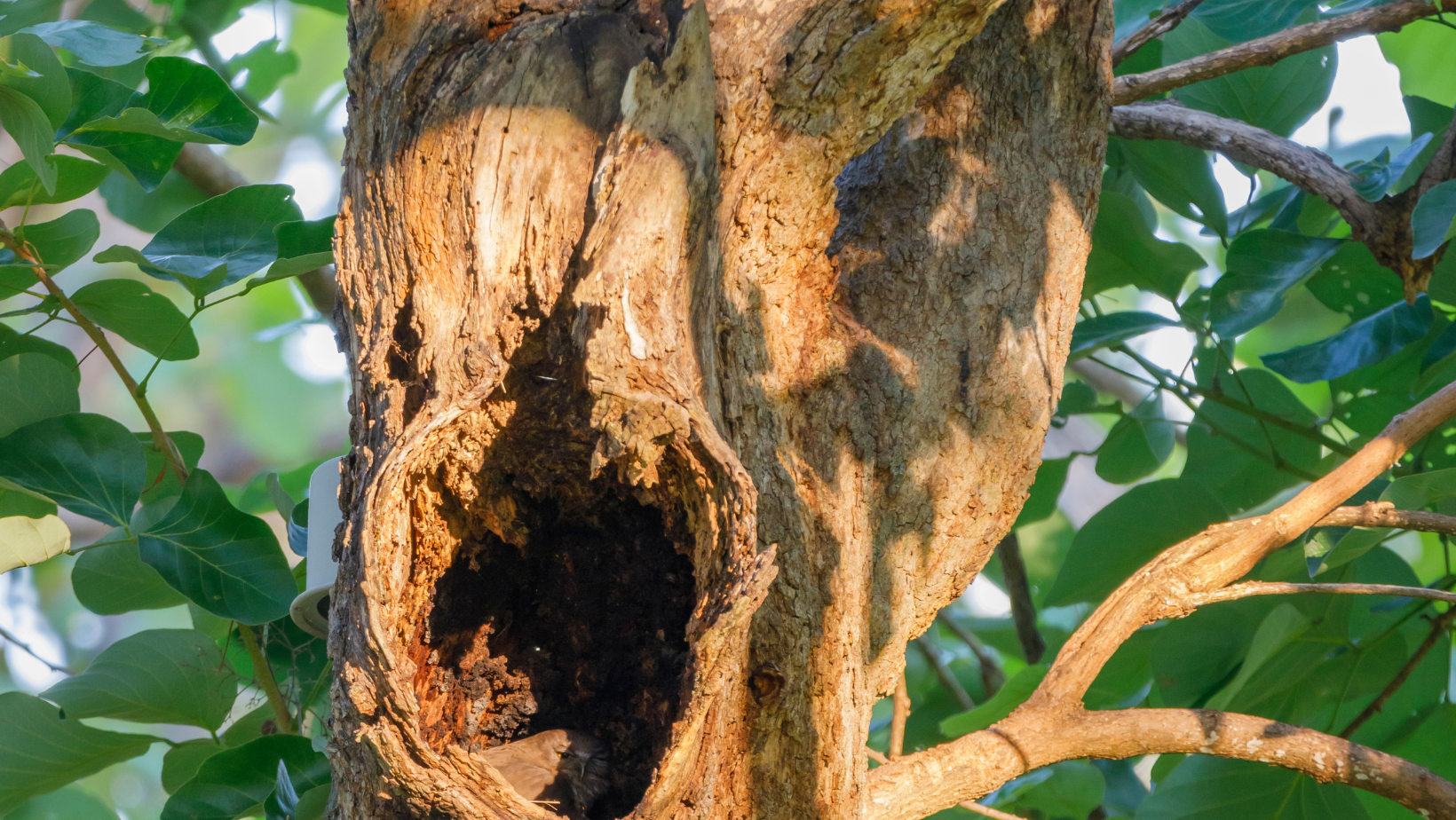
Cavities, missing wood and decay can reduce the amount of sound structure remaining in part of the tree. Their significance depends heavily on location, extent and the rest of the tree's condition.
Lean and Root-Plate Movement
A tree that has always leaned is different from one that has recently shifted. New lean, lifting soil, visible root-plate movement or changes after storms or prolonged wet conditions deserve closer attention.
Dieback or Declining Canopy
Widespread canopy decline can be relevant, particularly when it occurs alongside trunk damage, root problems or extensive deadwood.
What Could the Tree Hit?
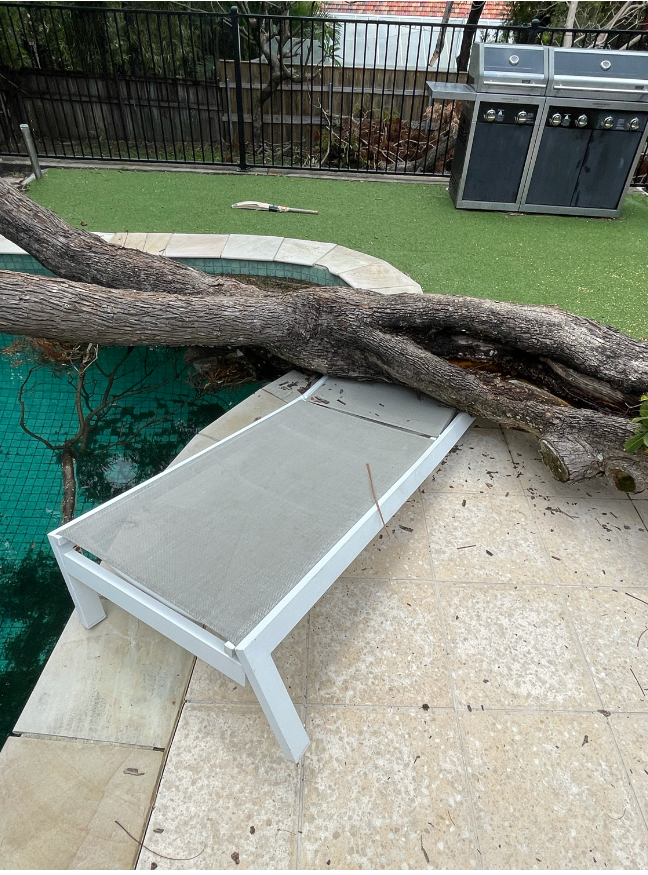
A defect matters more when a house, parked vehicle, pool, driveway, road, playground or frequently occupied area sits within reach of the affected tree or branch.
A Big Tree Is Not Automatically a High-Risk Tree
One of the easiest mistakes to make before storm season is to judge a tree mainly by height.
Large mature trees can be structurally sound, while much smaller trees can contain cracks, decay, root damage or poorly attached branches. Tree risk is better judged by the combination of tree condition, likelihood of failure and what is within reach.
Routine Height Reduction Is Not a Substitute for Assessment
Cutting down the height of every large tree does not guarantee better storm performance. Pruning should respond to a real objective such as deadwood, clearance or a specific branch or structural concern.
What Happens During GDE's Free On-Site Assessment?
We Look at the Tree and the Property Together
Tree size and condition are considered alongside buildings, access, driveways, neighbouring property and other areas that may affect the work or consequence of branch failure.
Visible Defects and Recent Changes Are Identified
This can include deadwood, broken limbs, cracks, cavities, previous storm damage, clearance problems or visible changes around the root zone.
The Practical Options Are Discussed
Depending on what is found, the tree may need no immediate work, selective pruning, branch removal, monitoring or complete removal.
A Free Written Quote Is Provided Where Work Is Required
The quote can set out the recommended tree work so the property owner understands what is proposed before the job begins.
What Can Come Out of a Tree Risk Assessment?
When a Tree Lopping Risk Assessment Leads to Pruning
Searches for a “tree lopping risk assessment” often come from property owners who know something needs attention but are unsure how much tree work is actually necessary.
In those cases, tree lopping in Brisbane may involve targeted branch removal or canopy management rather than removing the whole tree. The important part is identifying the objective first—deadwood, clearance, a damaged limb or another specific concern.
When Removal May Be Recommended
Removal becomes more likely where several significant defects occur together—for example extensive decay with major cracks, serious root instability, a badly storm-damaged structure or large failed branches over a high-use area.
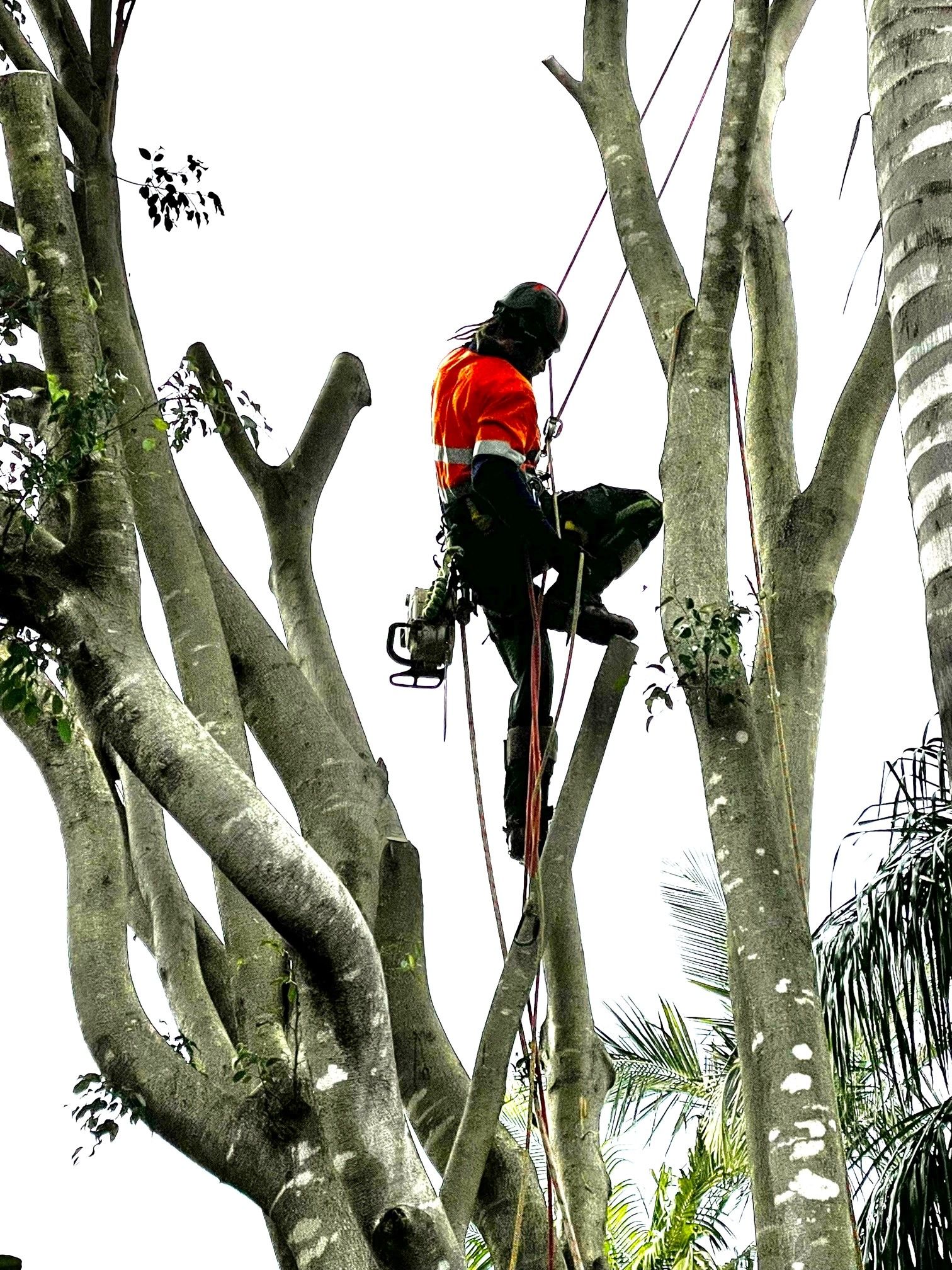
Where there is sufficient clear space and the tree's condition allows an appropriate controlled method, tree felling may be one removal option. Trees in confined areas or with compromised structure may require sectional dismantling instead.
When the Assessment Becomes Urgent
Some tree concerns can be booked as routine work. Others should be kept clear of until they can be assessed.
Arrange Prompt Assessment If You Notice:
- a large hanging or partially detached branch;
- a major fresh crack through the trunk or branch union;
- a sudden or increasing lean;
- visible root-plate movement or lifting soil;
- major storm damage; or
- a damaged tree affecting safe access to the property.
Where storm damage creates an immediate access or property hazard, emergency tree removal in Brisbane may be required.
Tree Risk Assessments Before Storm Season
The best time to identify tree problems is before a severe weather warning is active. Once damaging winds, lightning or intense rain have arrived, tree climbing, chainsaw work and branch removal may no longer be safe to undertake.
A pre-season tree risk assessment is particularly worthwhile for mature trees around houses, rental properties, body corporate sites, commercial premises, driveways and other areas where falling branches could have a significant consequence.
Free Tree Risk Assessments in Brisbane
GDE Tree Services can inspect trees showing visible defects, storm damage or other concerns and provide practical advice and a free written quote where pruning or removal work is required.
Frequently Asked Questions About Tree Risk Assessments
What is a tree risk assessment?
A tree risk assessment is an inspection of the tree and its surroundings to identify visible defects, assess what could be affected if a branch or tree failed, and determine whether pruning, monitoring or removal should be considered.
Do I need a tree risk assessment before storm season?
It can be worthwhile where a tree has large dead branches, recent storm damage, cracks, cavities, a changed lean, root-zone movement or large limbs over a house, driveway or other high-use area.
Does a tall tree automatically mean it is dangerous?
No. Height alone does not determine tree risk. The tree's structure, condition, root stability, branch defects and the targets beneath or around it are much more useful indicators.
What happens during a free tree risk assessment?
GDE Tree Services can inspect the tree from the property, look for visible defects or access issues, discuss the practical options and provide a free written quote where pruning or removal work is required.
Can a tree risk assessment lead to pruning instead of removal?
Yes. Depending on the problem, the recommendation may be selective pruning, deadwood removal, clearance work, monitoring or complete removal. Tree removal is not automatically the first option.
What signs make a tree more concerning before a storm?
Large dead or hanging branches, fresh trunk or branch-union cracks, significant cavities or decay, a sudden change in lean, visible root-plate movement and recent storm damage all deserve closer attention.
Is a tree lopping risk assessment the same as a tree removal quote?
Not exactly. A risk assessment looks at the condition of the tree and what work may be appropriate. The outcome may involve tree lopping or pruning, monitoring, or removal. A quote then sets out the recommended work and cost.
When is emergency tree removal required?
Emergency removal may be appropriate where a tree or large branch is unstable after a storm, blocking safe access, threatening a structure or presenting an immediate hazard that cannot reasonably wait for routine work.
Concerned About a Tree on Your Property?
Book a free on-site tree risk assessment with GDE Tree Services and receive a written quote where tree work is recommended.
Book a Free Tree Risk AssessmentGDE's free on-site assessment is intended to identify practical tree-work requirements and visible tree hazards. Trees with specialised planning, development, engineering or formal reporting requirements may require a different level of professional assessment.