Storm Season Preparedness in South East Queensland: Before, During and After
Severe storms can bring damaging winds, hail, heavy rain, flash flooding and power interruptions with limited warning. The best time to prepare the property is well before the sky changes—including dealing with tree branches that genuinely need professional trimming or pruning.
This guide takes a whole-property approach: what to organise before storm season, what to do when a warning is issued, how to stay safer while the storm is passing and what to watch for afterwards.

Think About Storm Readiness in Four Phases
Brisbane City Council describes the local storm season as typically running from October to March, although severe weather can occur outside that period. Preparing early gives you far more options than trying to organise repairs, tree work and supplies after a warning has already been issued.
Before Storm Season: Get the Property and Household Ready
Make a Household or Workplace Emergency Plan
Get Ready Queensland recommends making a severe-weather plan so everyone knows what to do, who to contact and where to go if conditions become unsafe.
Include children, older household members, pets and anyone with medical or mobility requirements. Know where utilities and isolation switches are located, but follow emergency-service or provider instructions rather than switching services off unnecessarily.
Pack an Emergency Kit
Queensland's official preparedness guidance recommends keeping supplies ready in case power, water, gas or access to shops is disrupted.
Useful basics include drinking water, long-life food, important medication, first aid supplies, a torch, spare batteries, a battery-powered radio, phone chargers or power banks and copies of important documents.
See the current Get Ready Queensland emergency-kit checklist.
Inspect Trees Before a Warning Is Active
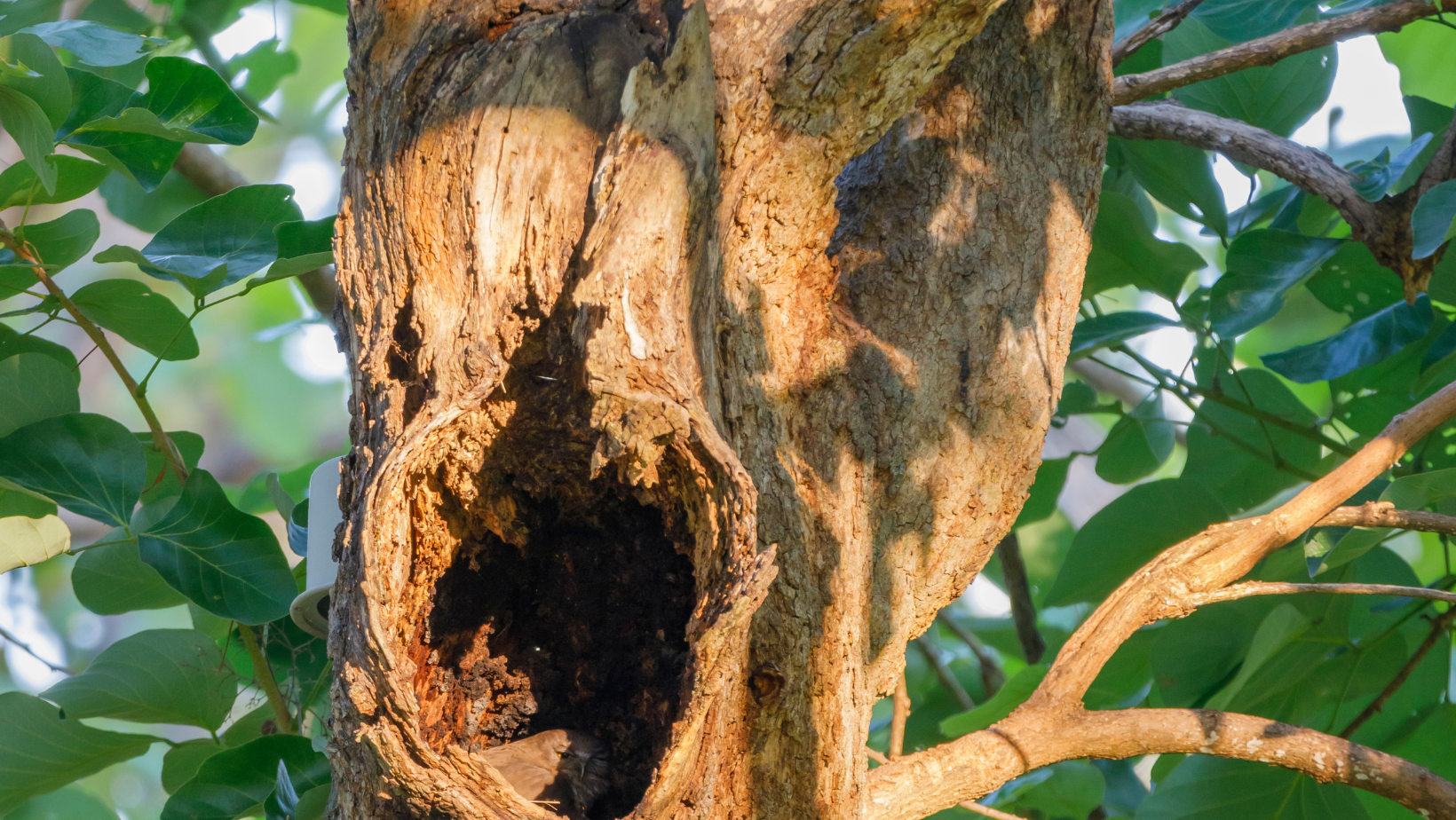
Look from ground level for large dead branches, broken or hanging limbs, fresh cracks, recent storm damage, branches rubbing on the building or a noticeable change in the tree's lean.
Tree preparation should target identifiable problems. A tall tree does not automatically need to be shortened simply because storm season is approaching.
Check the Roof, Gutters and Drainage
Clear leaves and debris from gutters and downpipes and deal with obvious roof-maintenance issues before heavy rain. Get Ready Queensland specifically recommends checking the roof and clearing gutters as part of severe-weather preparation.
Review Your Insurance
Get Ready Queensland recommends checking that insurance cover matches the natural-disaster risks relevant to the property. Review the policy before an event, not while a storm is approaching.
Questions about storm, flood, contents, vehicles, exclusions or the amount insured should be discussed directly with the insurer. Current photographs or video of significant belongings and the property can also make it easier to document their pre-event condition.
When a Severe Weather Warning Is Issued
This is the point for implementing the plan—not starting major maintenance work.
Secure Loose Outdoor Items
Bring in or secure furniture, toys, tools and other items that could become wind-blown debris. Get Ready Queensland specifically recommends securing loose items around the property before high winds.
Move Vehicles to a Safer Location
Where practical, park under suitable cover or away from trees, powerlines and waterways. Queensland SES also recommends moving vehicles under cover when storms are approaching.
Bring Pets Inside or to Their Safe Area
Make sure animals are accounted for before conditions deteriorate and that pet food, medication, carriers or leads are part of the household plan.
Charge Phones and Locate the Emergency Kit
Charge devices and power banks while electricity is available, locate torches and make sure everyone knows where the emergency kit is stored.
Close Windows and Follow Official Advice
Queensland SES recommends closing windows, shutters and curtains and staying informed through official warnings. Do not rely only on social-media posts or neighbourhood reports.
Do Not Start Tree Pruning
Once severe weather is approaching, climbing, chainsaw work and branch cutting should wait. Wind can change branch movement quickly, and lightning or powerline hazards can make the situation far more dangerous.
Stay Informed: Use Official Warning Channels
Monitor Bureau of Meteorology warnings and your local council's disaster information. Brisbane residents can also register for Brisbane City Council's free location-based Severe Weather Alert service.
Council says the service can issue alerts for severe thunderstorms, destructive winds, cyclones, creek or tidal flooding and other relevant events.
During the Storm: Shelter First, Property Second
Queensland SES advises people to move indoors, bring children and pets with them, stay informed, close windows and remain away from windows, external doors and skylights until the storm has passed.
Do Not Go Outside to Rescue Furniture, Clear Gutters or Cut a Branch
Items can be replaced. Storm conditions can involve lightning, flying debris, falling branches and damaged electrical infrastructure. Once conditions have deteriorated, sheltering safely is more important than protecting the garden or outdoor furniture.
After the Storm: Check for Hazards Before You Start Cleaning Up
A storm may be over while some of its hazards remain. Before walking around the property, look for fallen powerlines, unstable trees, hanging branches, damaged roofing and floodwater.
Life-Threatening Emergency
Call Triple Zero where someone is in immediate danger or there is another life-threatening emergency.
Queensland SES
Use SES assistance for non-life-threatening flood and storm emergencies.
Fallen Powerlines
Energex says to stay at least 10 metres away, warn others and assume a fallen line is live. Report it immediately to 000 or Energex on 13 19 62.
Storm-Damaged Trees Need a Different Approach
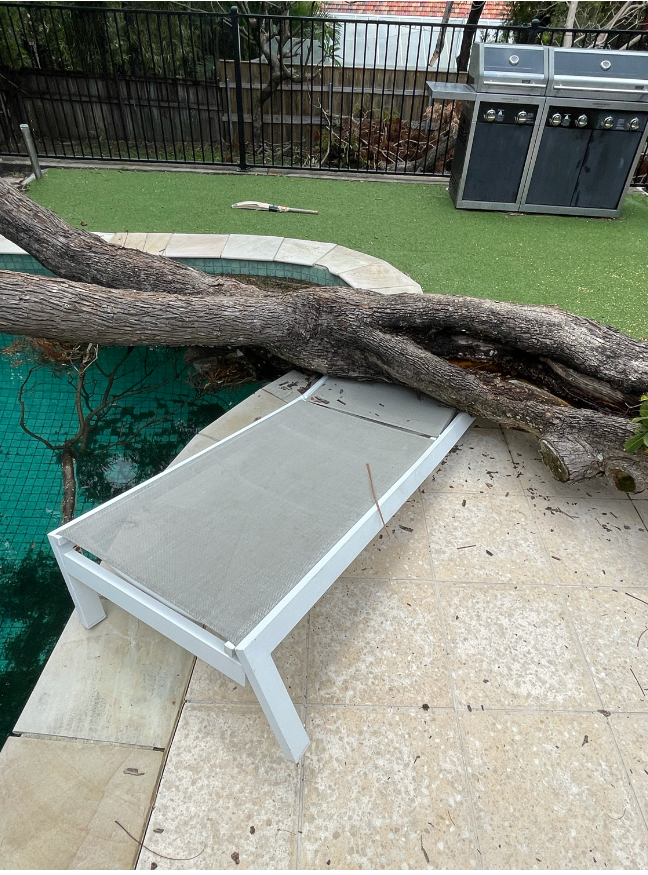
Do not assume a tree is safe just because the wind has stopped. Broken limbs can remain suspended in the canopy, trunks can split and saturated soil can affect stability around the root plate.
Keep people away from a tree with large hanging branches, a fresh trunk split, significant lean or visible root movement. Where damage creates an immediate access or property hazard, emergency tree removal in Brisbane may be necessary.
Where the tree is stable and the issue is not urgent, arrange an assessment rather than rushing into cutting immediately after the storm.
For Businesses: Add Continuity to the Storm Plan
Commercial properties need the same physical preparation as homes, plus a plan for staff, access and business continuity. Think about who is authorised to close the site, how staff will receive warnings, where vehicles or equipment can be moved and how the business will communicate if power or access is disrupted.
Make sure emergency contacts, insurance information and critical records can still be accessed if the premises cannot be entered immediately after severe weather.
Deal With Tree Problems Before Severe Weather Arrives
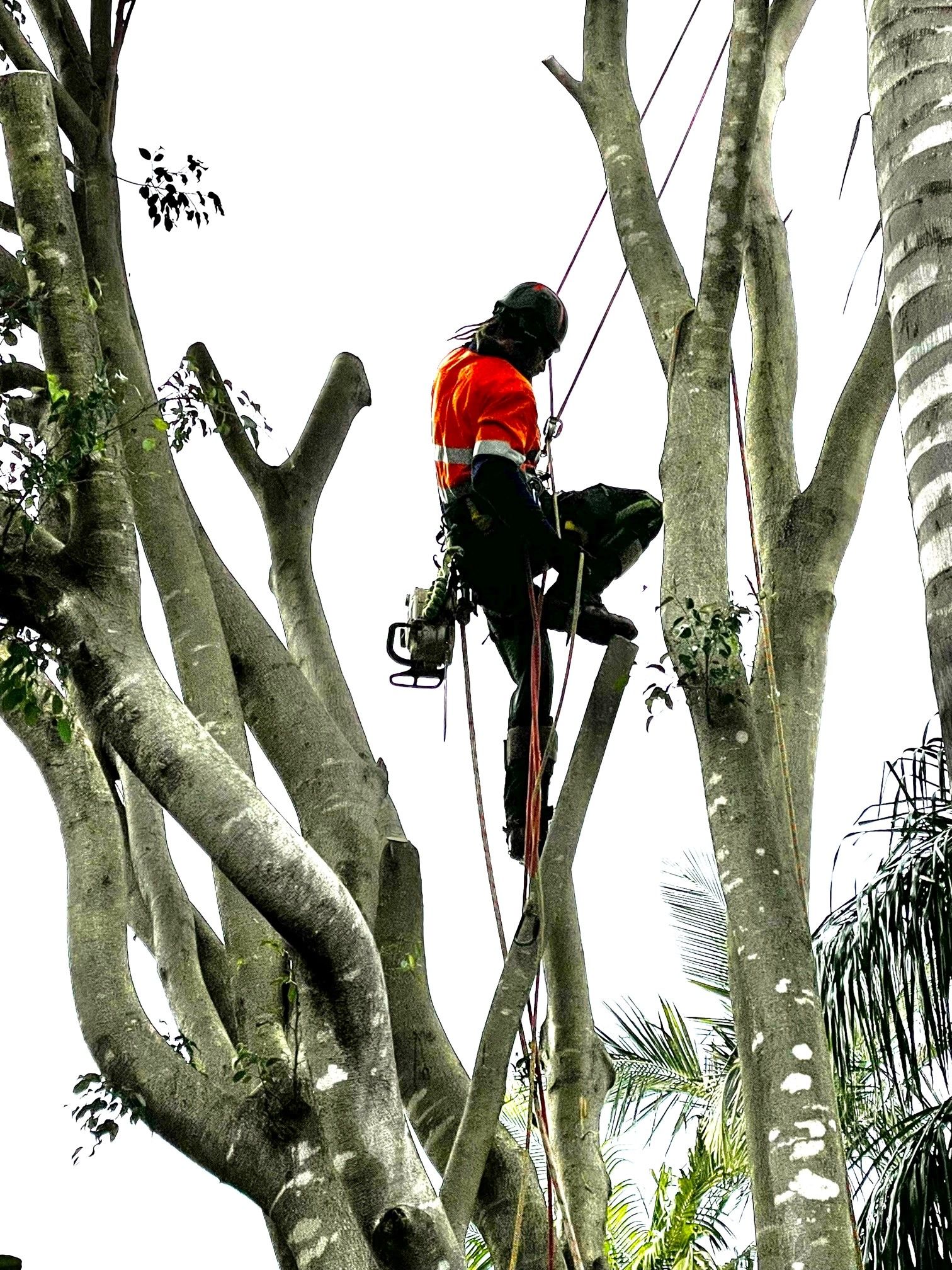
GDE Tree Services can inspect tree-work requirements around Brisbane properties and provide a free written quote for pruning, clearance or other work that is genuinely needed before or after storm events.
Frequently Asked Questions About Storm Preparedness
When is storm season in South East Queensland?
Severe storms can occur at other times, but Brisbane City Council describes the local storm season as typically running from October to March. Preparation is best completed before severe weather is forecast.
What should be in a Queensland emergency kit?
Get Ready Queensland recommends a household kit with essentials such as drinking water, long-life food, important medication, first aid supplies, a torch, batteries, a battery-powered radio, important documents and other items specific to the household.
Should I trim trees when a severe storm warning has already been issued?
No. Tree maintenance should be completed before severe weather arrives. Once damaging winds, lightning or heavy rain are affecting the area, stay indoors and away from trees rather than attempting pruning or branch removal.
Should I reduce the height of tall trees before storm season?
Not automatically. Tree height alone does not determine risk. Pruning should target identifiable issues such as dead or damaged branches, clearance conflicts or specific structural concerns rather than routinely reducing healthy trees.
How can Brisbane residents receive local severe weather alerts?
Brisbane City Council operates a free location-based Severe Weather Alert service for severe thunderstorms, destructive winds, flooding and other events.
What should I do if I find a fallen powerline after a storm?
Energex says to stay at least 10 metres away, warn others to keep clear and assume the line is live. Report fallen powerlines immediately by calling Triple Zero (000) or Energex on 13 19 62.
When should I call the SES after a storm?
Queensland SES provides assistance for non-life-threatening flood and storm emergencies on 132 500. For a life-threatening emergency, call Triple Zero (000).
Should I review my insurance before storm season?
Get Ready Queensland recommends checking that your insurance cover suits the natural-disaster risks relevant to your property. Questions about inclusions, exclusions, sums insured and storm or flood cover should be discussed directly with your insurer.
Need Tree Work Completed Before Storm Season?
Arrange a free written quote from GDE Tree Services for pruning, clearance or storm-related tree work across Brisbane.
Request a Free Written QuoteSevere-weather advice and warnings can change. Follow current Bureau of Meteorology, Queensland Government, SES, Energex and local council instructions during an event.