Palm Tree Care in Brisbane: 7 Maintenance Tips for Healthy Palms
Palms are a familiar part of Brisbane gardens, but keeping them looking good involves more than cutting off fronds whenever they turn yellow. Correct palm care means knowing what to prune, when to leave foliage alone, how to recognise possible nutrition or drainage problems and when a tall or declining palm needs professional attention.
Where a palm is dead, badly declining or no longer suitable for the property, palm removal in Brisbane may be a better long-term option than repeatedly trying to manage an ongoing problem.
Why Palm Maintenance Is Different From Ordinary Tree Pruning
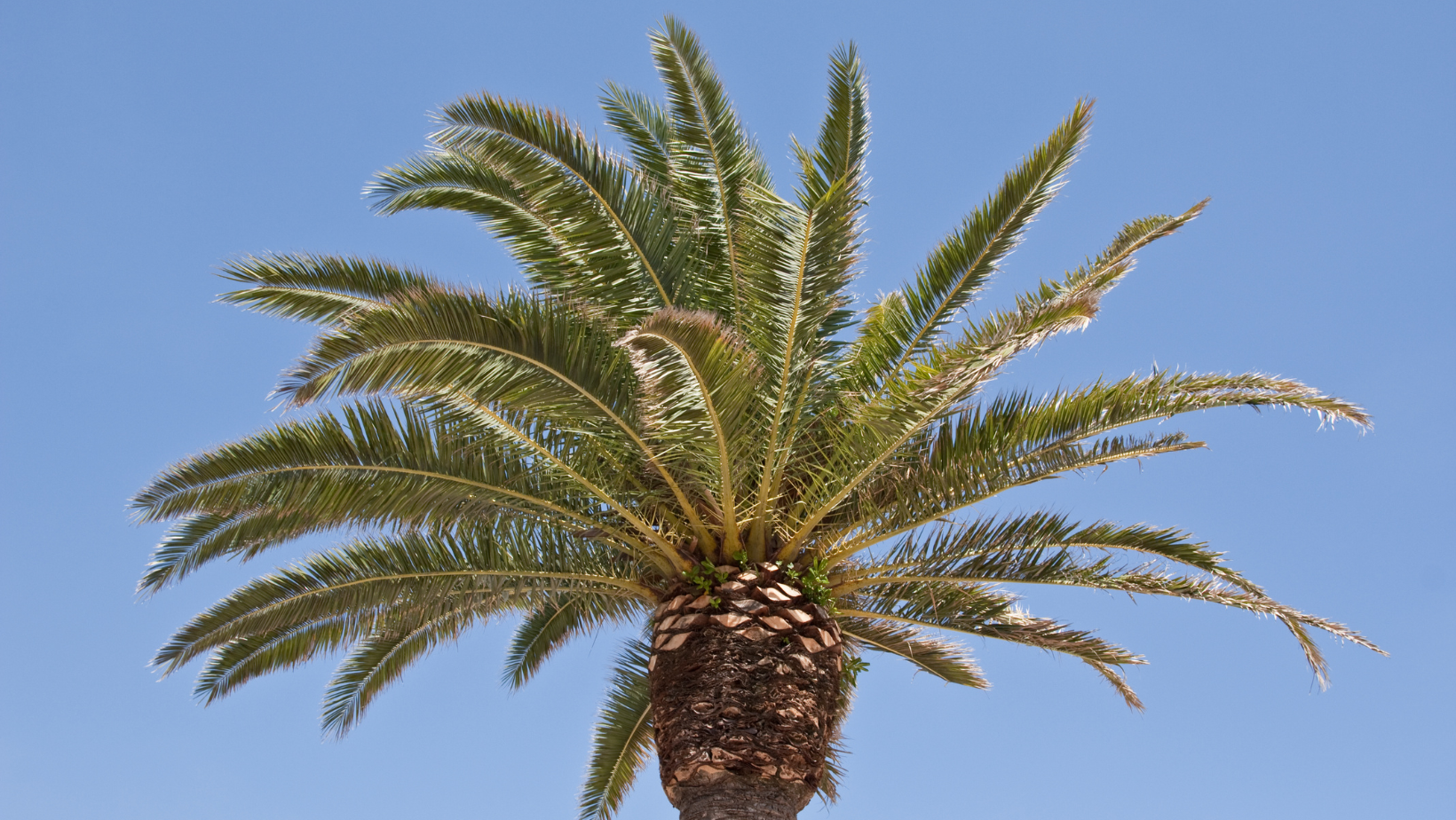
Palms grow differently from broadleaf trees. Most have a single growing point at the top of the stem, and their fronds play an important role in photosynthesis and nutrient movement.
This is why aggressive pruning can be counterproductive. Removing large numbers of healthy green fronds does not make a palm healthier and can reduce the amount of foliage available to support new growth.
A healthy palm should not look like a feather duster. The aim is generally to retain a full, natural crown while removing genuinely dead, broken or hazardous material where necessary.
7 Essential Palm Tree Care Tips for Brisbane Gardens
Inspect the Whole Palm, Not Just the Fronds
Look at the crown, trunk, base and surrounding soil. Changes worth investigating can include a thinning crown, a damaged central spear, persistent yellowing, unusual spotting, trunk damage, loose heavy fronds or a noticeable change in the palm's lean.
A single ageing lower frond is very different from widespread decline across the canopy, so consider the overall pattern before deciding that pruning is the answer.
Prune Dead or Hazardous Fronds — Not the Whole Green Crown
Completely dead fronds, broken fronds and heavy loose material can be removed where they create a maintenance or safety issue.
Healthy green fronds should generally be retained. Even partly green or yellowing older fronds can still be supplying nutrients to developing growth.
Do Not Treat Yellowing as a Pruning Problem
Yellow fronds can result from normal ageing, but persistent patterns may also point to nutrition, soil, drainage or other health issues.
Repeatedly cutting yellowing leaves off without considering the cause can hide the symptom while doing nothing to correct the underlying problem.
Use Palm-Appropriate Fertiliser Where Needed
Palms can be sensitive to nutrient imbalances, particularly involving potassium and magnesium. Where fertilising is appropriate, choose a slow-release product formulated for palms and apply it according to the label rather than adding individual nutrients at random.
Persistent or severe symptoms are better diagnosed before repeatedly changing fertilisers.
Water for the Palm, Soil and Season
Newly planted palms generally need more consistent watering while their root system establishes. Established palms may need much less supplemental water depending on species, rainfall and soil.
Avoid keeping the root zone constantly saturated. Poor drainage and excessive watering can create different problems from drought stress.
Manage Flower and Fruit Stalks Where They Cause Problems
Some palms produce heavy fruit clusters or large quantities of fallen fruit and seed. Removing flower or fruit stalks can reduce mess and unwanted seedlings where this is practical and safe.
This can be particularly relevant to Cocos or Queen Palms, which are widespread in South East Queensland and can spread by seed into natural areas.
Know When the Palm Is Too Tall for DIY Maintenance
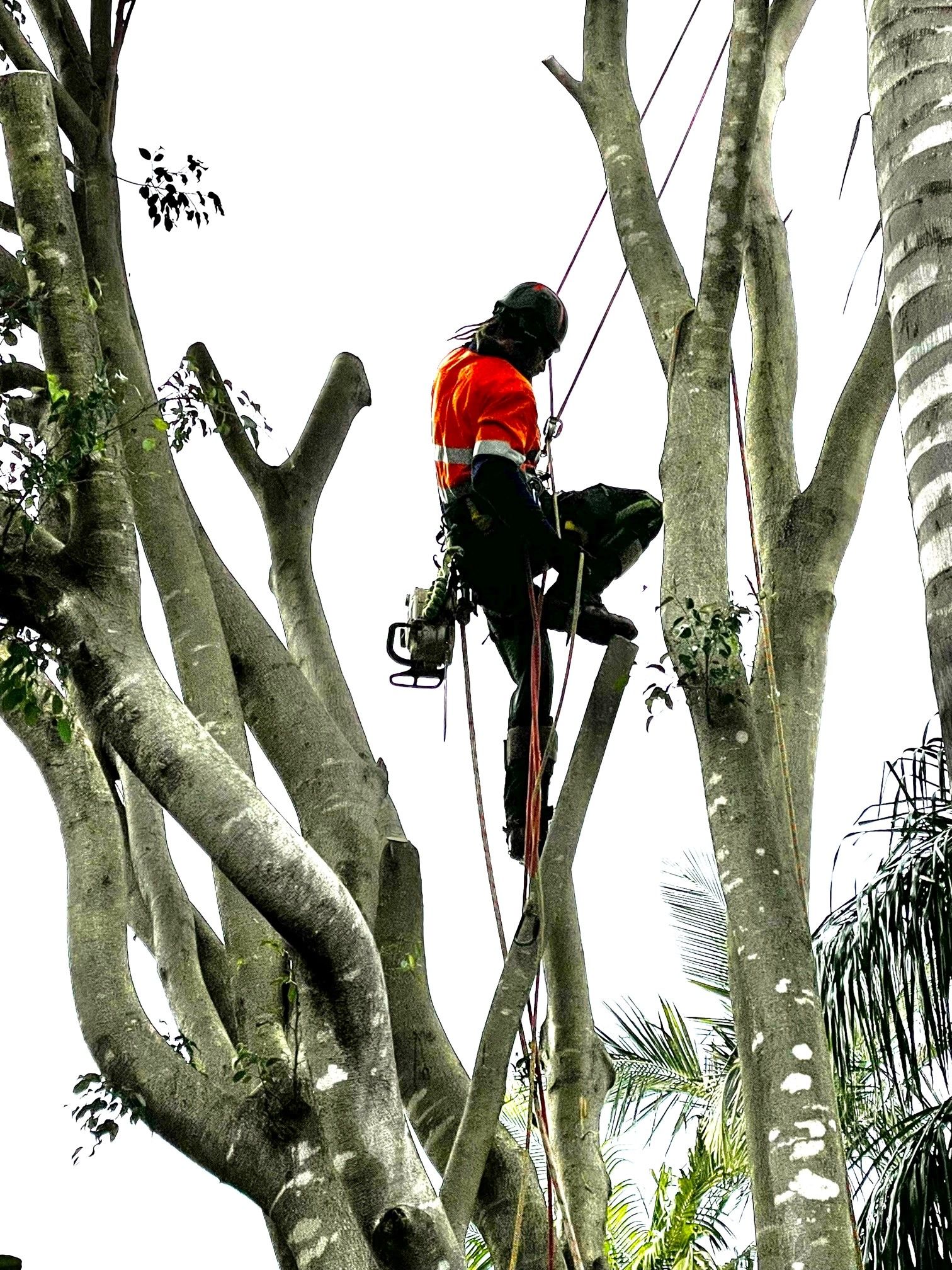
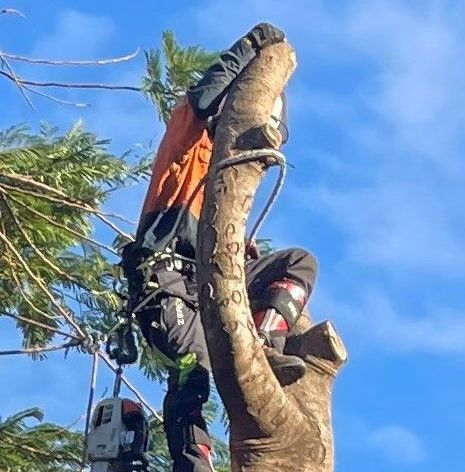
A dead frond high in a mature palm can be large and heavy. Once ladders, climbing, elevated work platforms or cutting above people and structures are involved, the risk changes significantly.
Professional access equipment and an exclusion zone around the work area may be required to keep workers, residents and property clear of falling material.
What Not to Do When Maintaining a Palm
Avoid These Common Palm-Care Mistakes
- Do not remove large numbers of healthy green fronds simply to create a tight or upright crown.
- Do not assume every yellow frond is diseased. Yellowing can also be related to natural ageing or nutrition.
- Do not cut into the trunk while removing old leaf bases or fronds.
- Do not routinely scrub the trunk with soap or chemicals. It is unnecessary for normal palm health.
- Do not shave or sand the trunk smooth. Cosmetic trunk work should never damage living tissue.
- Do not guess at herbicides, pesticides or nutrient treatments when the cause of decline has not been identified.
- Do not work near powerlines yourself. Palm fronds, tools and equipment can all create electrical hazards.
Should You Remove Brown Palm Fronds?
Completely dead brown fronds can usually be removed where they remain attached and are creating a risk or an appearance problem. Some palm species shed dead fronds naturally, while others retain them against the trunk.
The key distinction is between dead brown foliage and leaves that are still green or partly green. The latter are still contributing to the palm and should not automatically be removed simply because they sit below the horizontal.
Where dead fronds are high above a house, driveway, pool or frequently used area, the issue becomes one of safe access and controlled removal rather than simple garden pruning.
Why Is My Palm Turning Yellow?
Yellowing can occur for several reasons, so the location and pattern of symptoms matter. Older lower fronds naturally decline over time, while repeated yellowing across many leaves may indicate that the palm is under stress.
| What You Notice | What It May Suggest |
|---|---|
| One or two oldest lower fronds gradually turning brown | May be normal leaf ageing. |
| Repeated yellowing of older fronds | Can be associated with nutrient availability, particularly potassium or magnesium, depending on the pattern and species. |
| New growth emerging weak, distorted or discoloured | Warrants closer investigation because the newest growth reflects conditions at the palm's growing point. |
| Sudden canopy decline or damaged central spear | Can indicate a more serious health problem and should not simply be treated by removing leaves. |
| Yellowing combined with constantly wet soil | Drainage and root-zone conditions should be considered. |
Do Palm Trunks Need to Be Cleaned?
Routine washing with soap is not a standard requirement for keeping a palm healthy. Likewise, there is little reason to shave, sand or aggressively strip a palm trunk for cosmetic purposes.
Dead or loose material can be removed when there is a genuine maintenance reason, but cutting into healthy trunk tissue creates unnecessary damage. The growing crown at the top of the palm should also be protected from injury.
When Palm Removal May Be Better Than Ongoing Maintenance
Not every palm needs to be retained indefinitely. Removal may be worth considering when a palm is dead, severely declining, repeatedly dropping hazardous material, growing too close to structures or services, or is an unwanted species that no longer suits the property.
Mature palms can also become difficult to maintain once their crown is well above roof height. The removal method depends on access, surrounding buildings and the space available around the palm.
Before removing protected vegetation on a Brisbane property, check whether Council's Natural Assets Local Law or another property-specific control applies. Council permission is also required before pruning or removing Council street and park trees.
Cocos or Queen Palms in South East Queensland
Cocos Palm, also widely known as Queen Palm, is common throughout South East Queensland. Queensland Government biosecurity information notes that it can invade riparian areas and dry eucalypt forest and that its seed is spread by bats.
It is not listed as prohibited or restricted invasive matter under Queensland's Biosecurity Act, but property owners still have a general biosecurity obligation to take reasonable and practical steps to minimise risks associated with invasive plants under their control.
Where an unwanted mature Cocos Palm is being removed, dealing with fallen fruit and seedlings around the base can help reduce ongoing regrowth and spread.
Tall Palms, Falling Fronds and Work at Height
Palm maintenance can become hazardous very quickly once work moves above ground level. WorkSafe Queensland identifies falls, falling objects, unstable ground and overhead powerlines among the hazards associated with elevated work platforms and tree-pruning work.
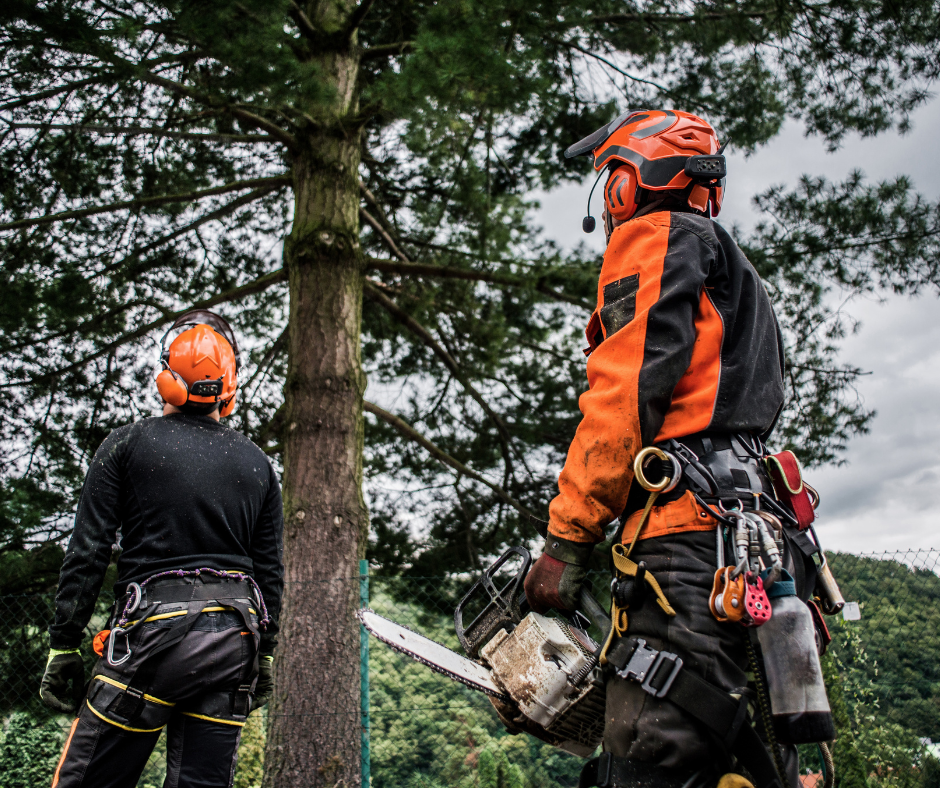
Large dead fronds can injure people below. Professional palm work should control access to the drop zone and use equipment suited to the height, ground conditions and surrounding property.
Palm Tree Removal From GDE Tree Services
GDE Tree Services has worked across Brisbane and South East Queensland since 1987. For palms that are dead, declining, overgrown or no longer suitable for the property, the team can inspect the site and provide a free written quote for removal.
Access, surrounding structures, the palm's height and the area beneath the crown are all considered when deciding how the work should be carried out.
Frequently Asked Questions About Palm Tree Care
How often should palm trees be pruned in Brisbane?
Palm pruning should be based on the condition of the fronds rather than a fixed calendar. Remove dead, broken or hazardous fronds when required, but avoid repeatedly cutting healthy green fronds just to create a very tight crown.
Should yellow palm fronds be cut off?
Not automatically. Yellowing can be part of natural ageing, but it can also indicate a nutrient problem. Partly green fronds are still photosynthesising and can continue supplying nutrients to the palm, so the cause of persistent yellowing should be considered before heavy pruning.
Should palm trunks be scrubbed or shaved smooth?
No routine scrubbing, sanding or shaving is needed for palm health. Avoid damaging living trunk tissue or the crown. Loose dead material can be managed where necessary without cutting into healthy tissue.
What fertiliser is best for palm trees?
Palms can have different nutritional needs from many other landscape plants. A slow-release fertiliser formulated for palms and containing potassium, magnesium and appropriate micronutrients can be useful where fertilising is needed. Follow the product label and avoid guessing at individual nutrient deficiencies.
How much water does a palm tree need?
Water needs depend on the species, age, soil, season and rainfall. Newly planted palms generally need more consistent moisture while establishing. Established palms should not be kept permanently waterlogged, and irrigation should be adjusted to site conditions.
Can I prune a tall palm myself?
Work at height and falling palm fronds can create serious hazards. Tall palms, heavy retained fronds and palms near buildings or powerlines are better assessed and maintained with appropriate professional access equipment and safe work procedures.
When should a palm tree be removed?
Removal may be considered where a palm is dead, severely declining, structurally compromised, repeatedly causing an unacceptable hazard, growing in an unsuitable location or is an unwanted invasive species. The individual palm and property should be assessed before deciding.
Does GDE Tree Services remove palm trees in Brisbane?
Yes. GDE Tree Services provides palm removal in Brisbane, including assessment of access, surrounding structures and the most suitable removal method, with free on-site written quotes.
Need a Palm Assessed or Removed?
GDE Tree Services can inspect the palm, assess access and surrounding hazards, and provide a free written quote for the work required.
Request a Free Written QuotePalm health and maintenance requirements vary by species and site. This article provides general information and is not a diagnosis of a specific palm.