Are Palm Trees Easy to Remove?
If you are thinking about palm removal in Brisbane, the honest answer is: sometimes — but not always. Palms can be simpler than some broad-canopy trees in one respect because they usually do not have large spreading branches, but height, access, nearby structures, retained fronds and stump work can still make removal a specialised job.
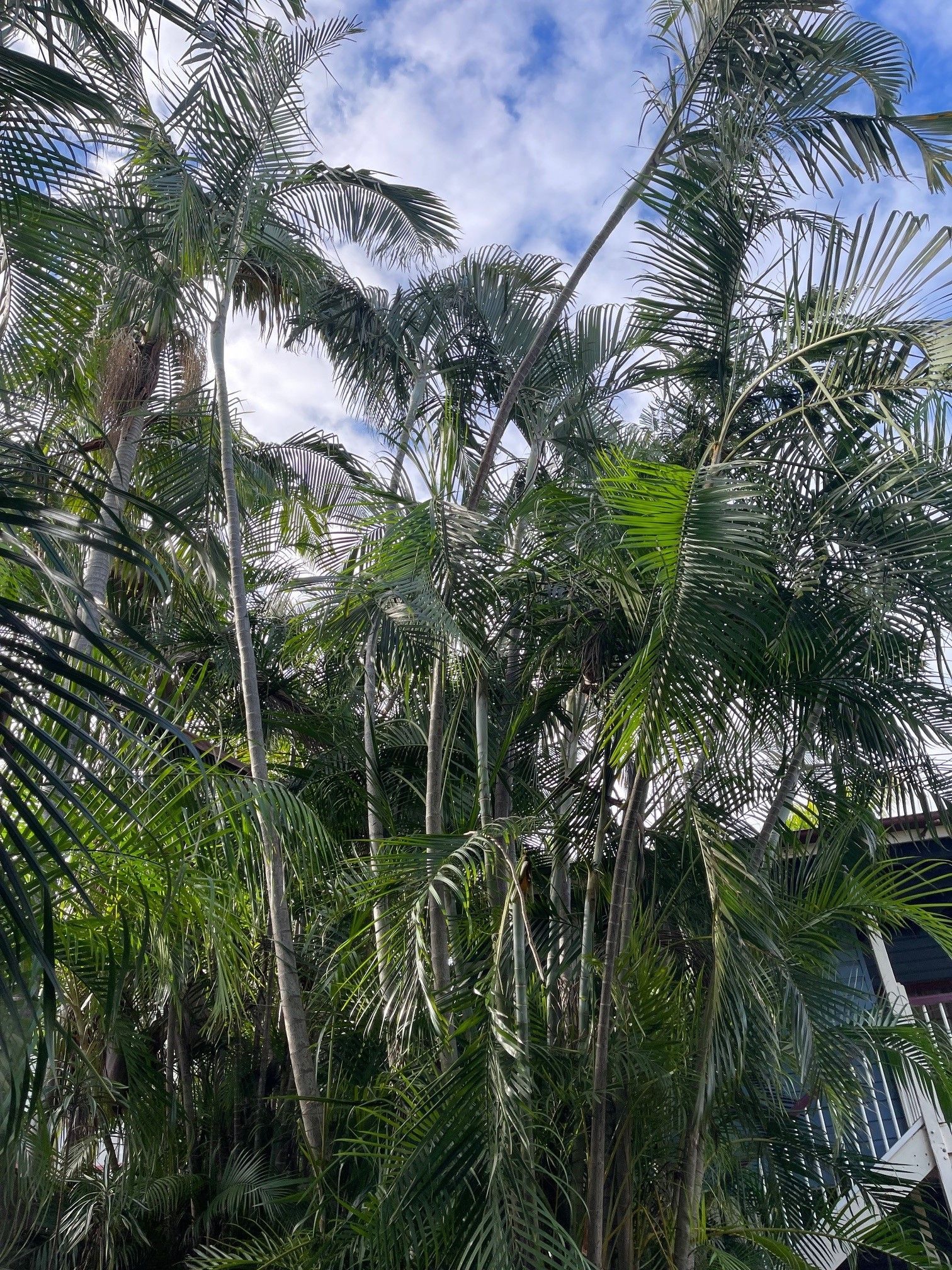
A small palm in an open garden bed is very different from a tall Cocos Palm beside a house, pool or fence line. The site around the palm often has as much influence on the difficulty of the job as the palm itself.
So, Are Palm Trees Easy to Remove?
In simple terms, a palm can be easier to dismantle than a large tree with a heavy branching crown because the main structure is more vertical and predictable. However, that does not mean removal is automatically easy or low-risk.
A mature palm can be extremely tall, the fronds can be heavy and awkward to handle, and the trunk can still cause major damage if sections are dropped into the wrong place. Once the standing palm is down, the stump and root mass also need to be considered.
The right question is not just whether a palm is easy to remove. It is whether the palm can be removed safely and efficiently on that specific property.
What Makes a Palm Easy or Difficult to Remove?
Height of the Palm
Shorter palms can be relatively straightforward compared with mature specimens that extend well above roof height. The taller the palm, the more important access, drop zones and controlled removal methods become.
Access Around the Tree
A palm in an open paddock or a large clear backyard is a different job from a palm growing between a house and a fence. Limited access can rule out some equipment and require the palm to be dismantled in smaller sections.
Nearby Structures and Services
Roofs, pergolas, pools, retaining walls, driveways, service lines and neighbouring property all affect how the work is approached. In some cases, the only safe method is progressive dismantling from the top down.
Fronds, Fruit and Seed Heads
Retained fronds and heavy fruit clusters can add awkward weight near the top of the palm. These parts often need to be removed in a controlled way before the trunk is cut into manageable sections.
Species and Trunk Size
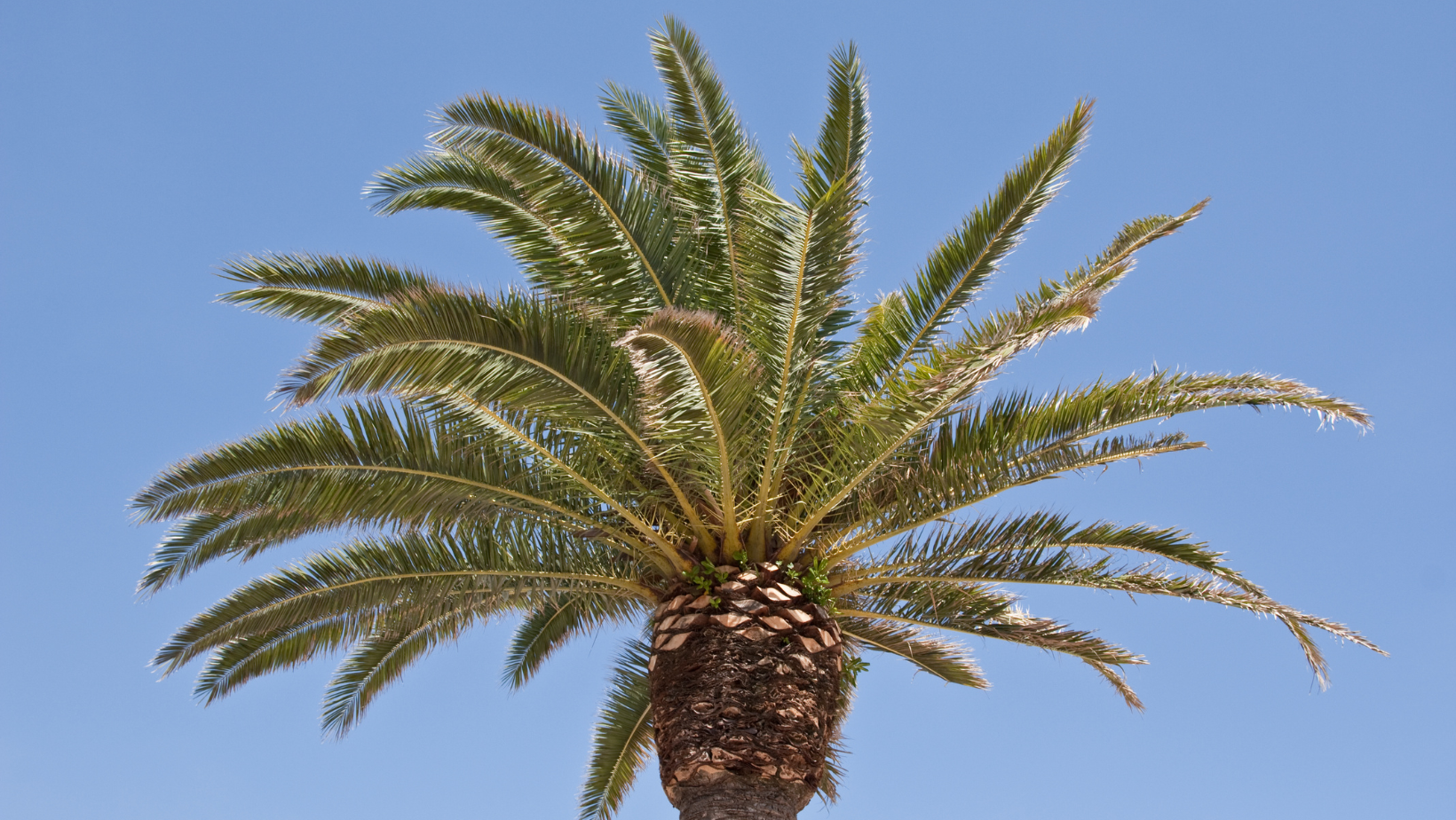
Different palms vary in height, girth and retained material. Some species have a relatively narrow trunk, while others become very substantial and require more labour and handling once sections are on the ground.
Stump and Root Treatment
Removing the standing palm is only part of the job. If the customer also wants the stump dealt with, that may involve stump grinding or stump removal, depending on the site and future plans for the area.
Can a Palm Be Felled in One Piece?
Sometimes, yes. Where there is enough safe landing room and the conditions are suitable, a palm may be able to be brought down using controlled tree felling.
That said, many suburban palms do not have enough surrounding space for a full fell. If the palm is close to buildings, fences, parked vehicles or neighbouring property, it will often need to be dismantled in sections instead.
Open Space Changes Everything
A palm that would be relatively easy to fell in a clear area may become a much more technical removal once it is boxed in by structures or growing beside a pool, retaining wall or narrow side access.
How Professionals Usually Remove a Palm
The exact sequence varies from job to job, but professional palm removal usually involves first assessing the palm and the site, then deciding whether the palm can be felled or should be dismantled progressively.
Depending on the property, the work may include:
- inspecting the palm's height, lean and condition;
- clearing and controlling the work zone beneath the crown;
- removing heavy fronds or fruit heads first if required;
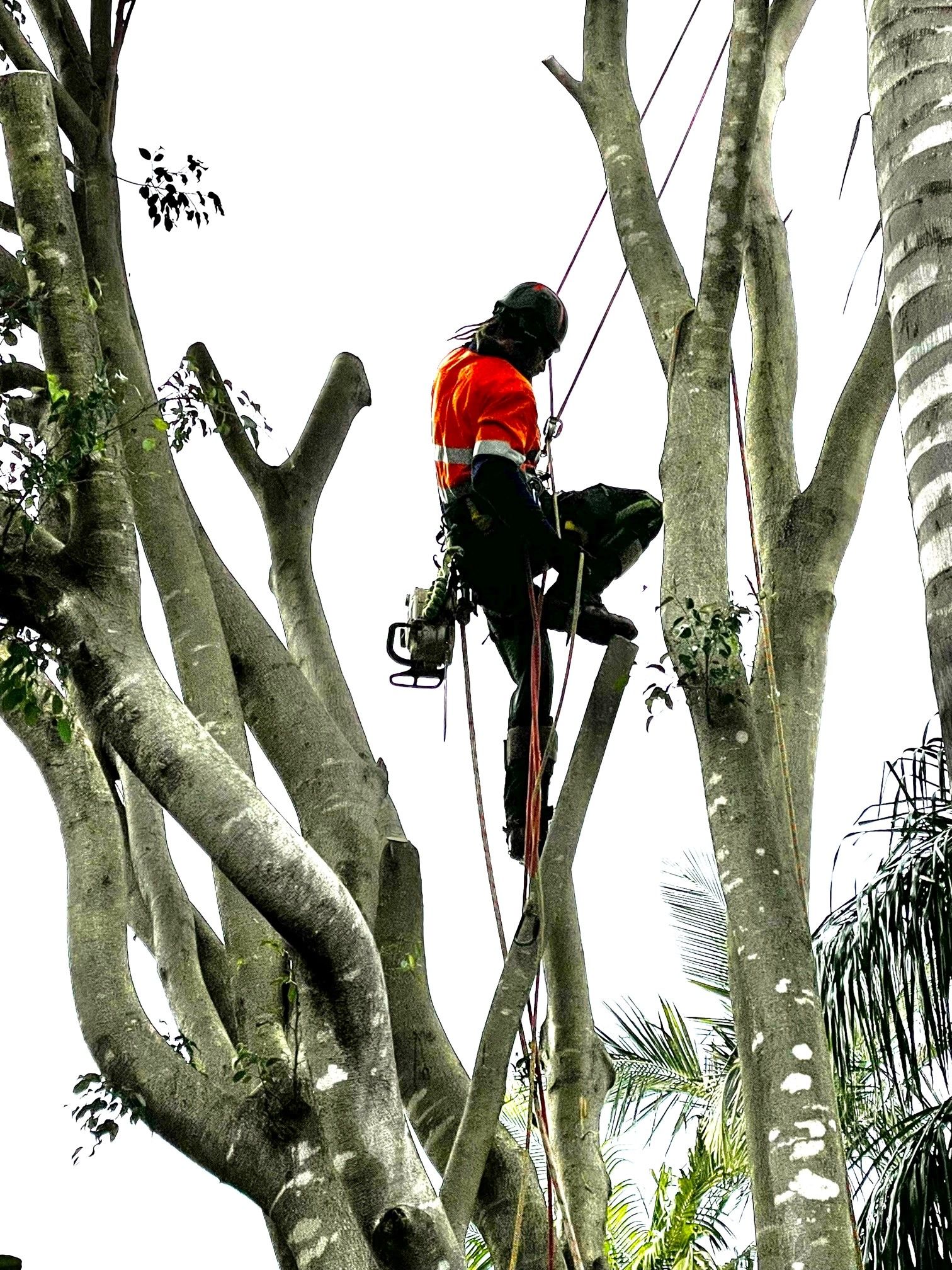
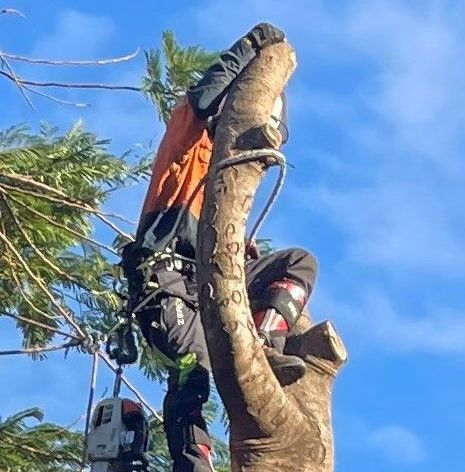
- cutting the trunk in controlled sections from the top down; or
- bringing the palm down in a controlled fell where adequate space exists.
Once the palm is on the ground, the sections can be removed, chipped or left on-site by arrangement, and the stump can be addressed if included in the quote.
Why DIY Palm Removal Can Be Misleading
Palm trunks may look simple compared with a branching tree, which can lead people to assume that removal is easy. In reality, the risk often comes from the height of the job, the weight of the fronds, the drop zone below and the damage a falling trunk section can cause.
Ladders, chainsaws, awkward cutting positions and limited space around buildings all add to the difficulty. Even when the standing trunk seems straightforward, the final outcome still depends on careful control of each section.
A palm can be structurally simpler than a broadleaf tree and still be unsafe to remove without the right equipment and experience.
When Palm Removal Is Usually More Difficult
Palm removal becomes more complex when one or more of the following apply:
- the palm is very tall or close to roof height;
- there is limited side access for equipment or waste removal;
- the palm is beside a house, fence, pool or retaining wall;
- the crown holds large amounts of dead fronds or fruit;
- the stump also needs to be removed from a tight area;
- the palm has been storm damaged or is leaning; or
- powerlines or service lines are nearby.
In these situations, what looks like a simple “cut it down” job often requires much more planning than property owners expect.
What About the Roots and Stump?
Palms generally have fibrous root systems rather than the large woody root plate you see in many broadleaf trees. Even so, the stump can still be bulky and awkward, especially if the area is being replanted, paved or otherwise redeveloped.
If the stump does not need to be removed immediately, it may be left in place. If the area needs to be cleared, stump grinding or another removal approach can be quoted as part of the job.
When Should a Palm Be Removed?
Removal may be the best option where a palm is dead, severely declining, repeatedly dropping hazardous material, too close to structures or simply no longer suits the landscape plan for the property.
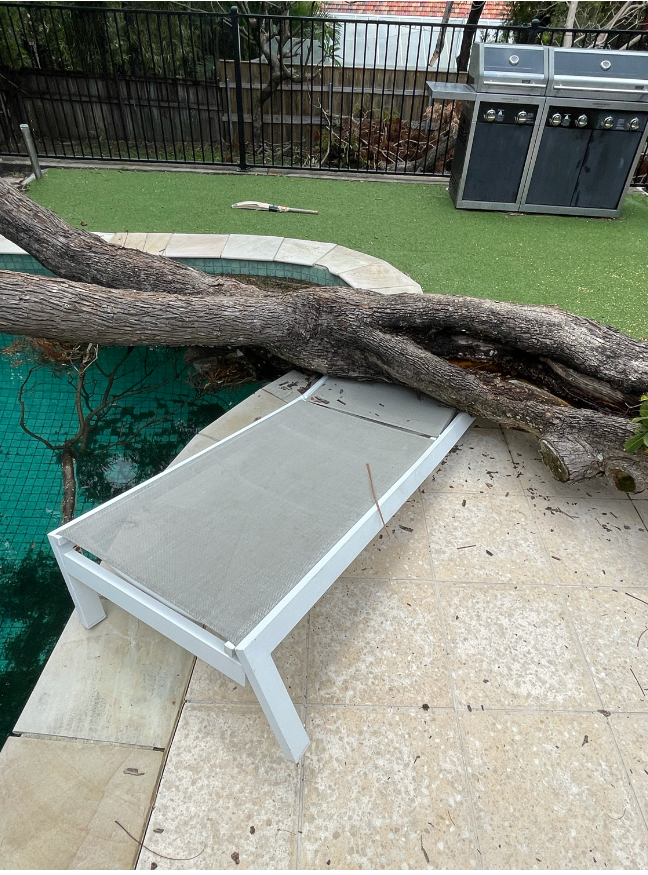
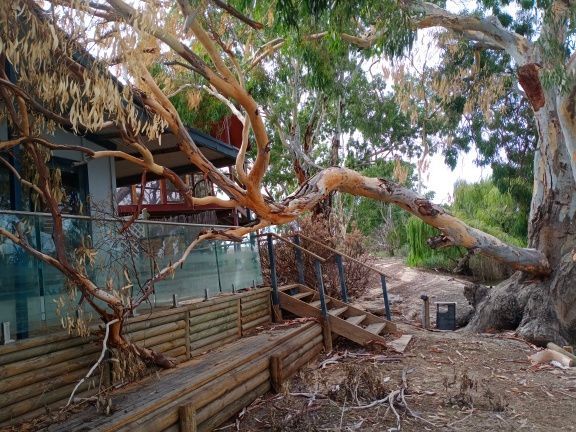
Storm-damaged palms can also create urgent hazards if the crown, trunk or retained fronds become unstable. In those cases, emergency assessment may be needed before any general tidy-up takes place.
Palm Removal From GDE Tree Services
GDE Tree Services has worked across Brisbane and South East Queensland since 1987. The team can inspect the palm, assess access and surrounding structures, and determine whether controlled felling, sectional dismantling or another method is the best fit for the site.
Frequently Asked Questions About Palm Removal
Are palm trees easier to remove than ordinary trees?
Sometimes, but not always. Palms do not usually have heavy side-branch structure like broadleaf trees, which can simplify some jobs. However, height, retained fronds, fruit clusters, access, nearby structures and stump treatment can still make palm removal complex.
Can a palm tree be felled in one piece?
Only if there is enough safe landing space and the site suits that method. Where there is clear room around the palm, controlled felling may be possible. In confined suburban sites, the palm often needs to be dismantled in sections instead.
Do palm trees have deep roots?
Palms generally have fibrous root systems rather than a large woody root plate like many broadleaf trees. Even so, the root mass and stump can still be difficult to deal with once the palm has been removed.
What makes a palm hard to remove?
Common factors include extreme height, poor access, nearby roofs or fences, large retained fronds, heavy seed or fruit heads, palms growing beside pools or retaining walls, storm damage and the need to remove or grind the stump afterwards.
Can I remove a palm tree myself?
Small garden palms are very different from mature palms near buildings or at height. DIY removal becomes much riskier once cutting heavy fronds or trunk sections above head height, using ladders or working close to structures or powerlines is involved.
What happens to the stump after a palm is removed?
The standing palm can be removed first, with the stump then left, ground down or otherwise removed depending on the quote and the plans for the area.
When should a palm be removed?
Removal may be considered when a palm is dead, badly declining, repeatedly dropping hazardous fronds or fruit, growing too close to structures or services, or no longer suits the property.
Does GDE Tree Services remove palms in Brisbane?
Yes. GDE Tree Services provides palm removal in Brisbane and can assess whether the palm can be felled, dismantled in sections or requires another removal approach based on the site.
Need a Palm Removed?
GDE Tree Services can inspect the palm and site and provide a free written quote for the most suitable removal method.
Request a Free Written QuoteThis article provides general information only. The safest removal method for a palm depends on the tree, the property and the surrounding hazards.