The Art of Tree Pruning: Prune With a Purpose
Good tree pruning is not about making a tree look as though it has just had a haircut. Every cut removes living or dead material and changes the canopy in some way, so the first question should always be: what are we trying to achieve?
For established trees, professional tree trimming and pruning in Brisbane can be used for clearance, deadwood, structural management or selected canopy reduction — but the method should match the reason for the work.
A Better Way to Think About Pruning
Instead of asking, “Does this tree need a prune?”, ask which branches need attention, why they need attention and what outcome is expected afterwards.
Brisbane City Council uses the same objective-based approach in its street-tree maintenance, including structural pruning of young trees, lower-branch clearance and removal of dead, dying or diseased wood as required.
Four Good Reasons to Prune a Tree
Improve Developing Branch Structure
Structural or formative pruning is most effective when problems are addressed while branches are still relatively small. Competing stems, poorly positioned branches or rubbing growth can sometimes be corrected before they become much larger defects.
Create Space Around Buildings and Access Areas
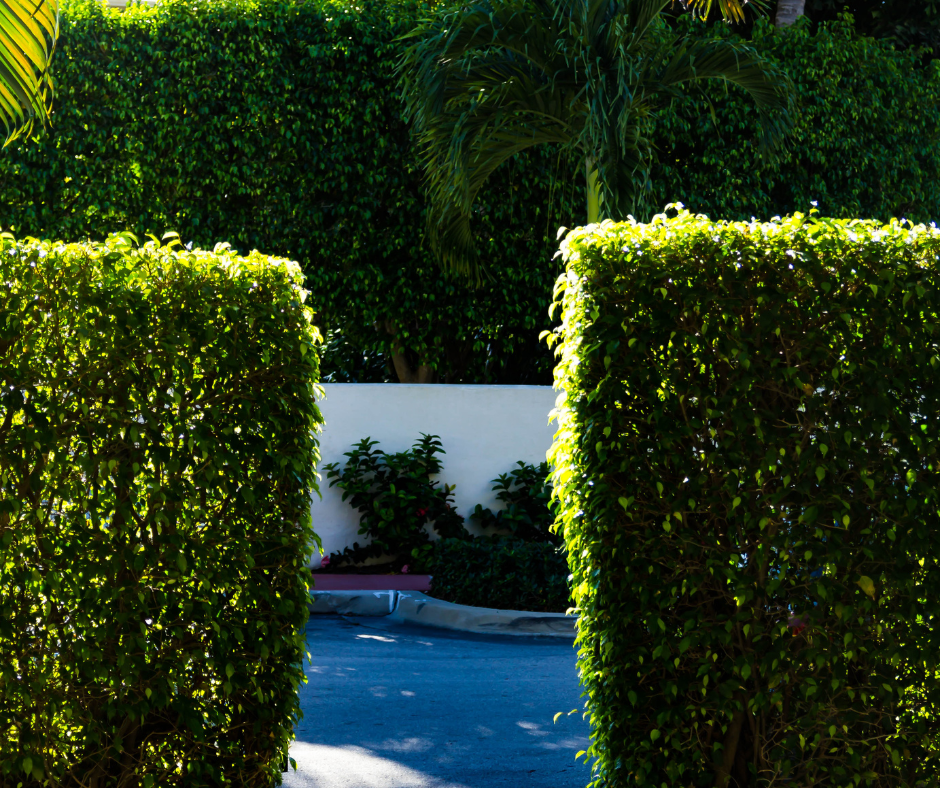
Lower or extending branches can be selectively managed where they interfere with roofs, driveways, paths, vehicles or sightlines. The aim is to create the clearance required without automatically cutting back the entire tree.
Remove Branches That Are Dead or Broken
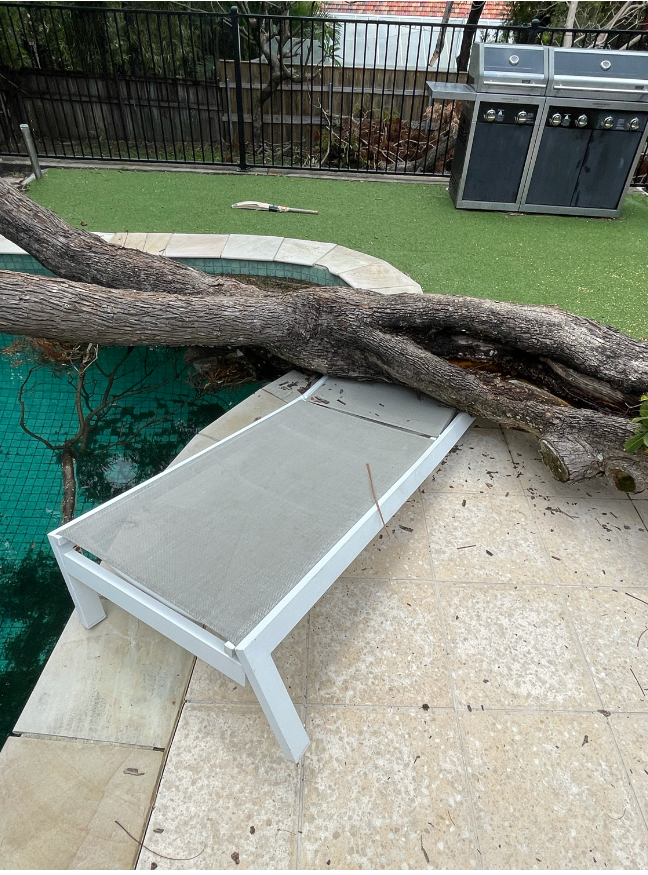
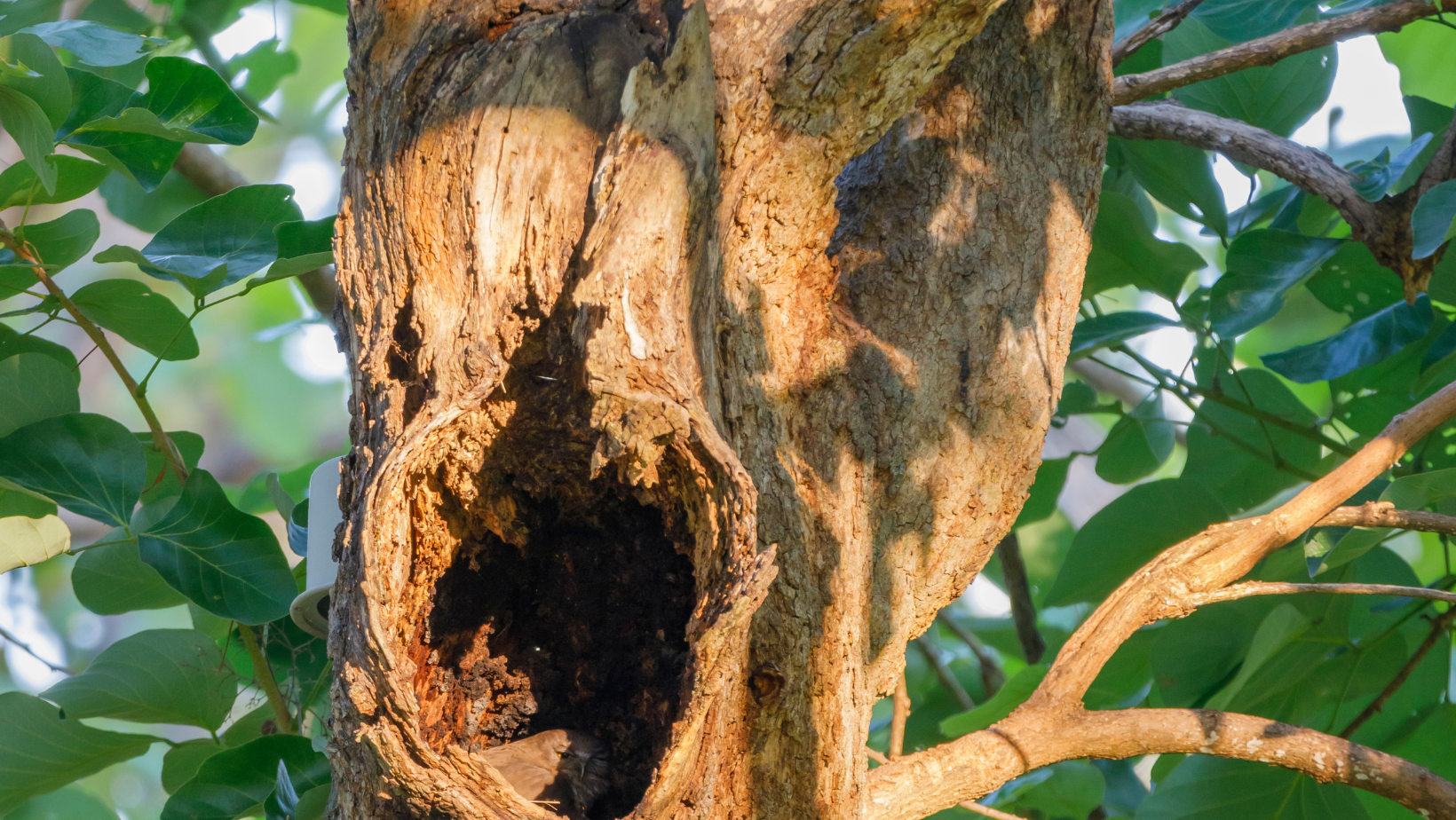
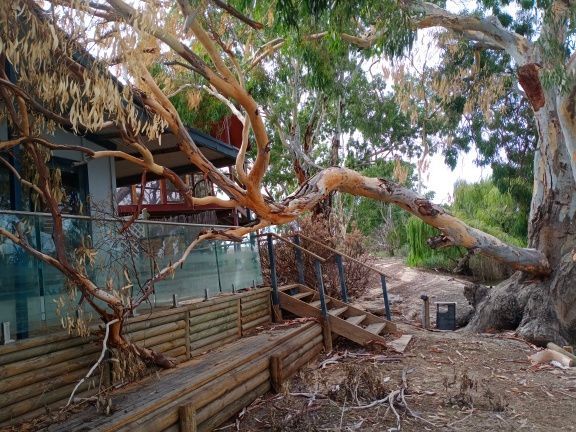
Dead, broken or hanging branches can be removed where they create a concern over frequently used areas. Storm-damaged branches may also need attention even when the rest of the tree remains healthy.
Reduce Height or Spread Where Appropriate
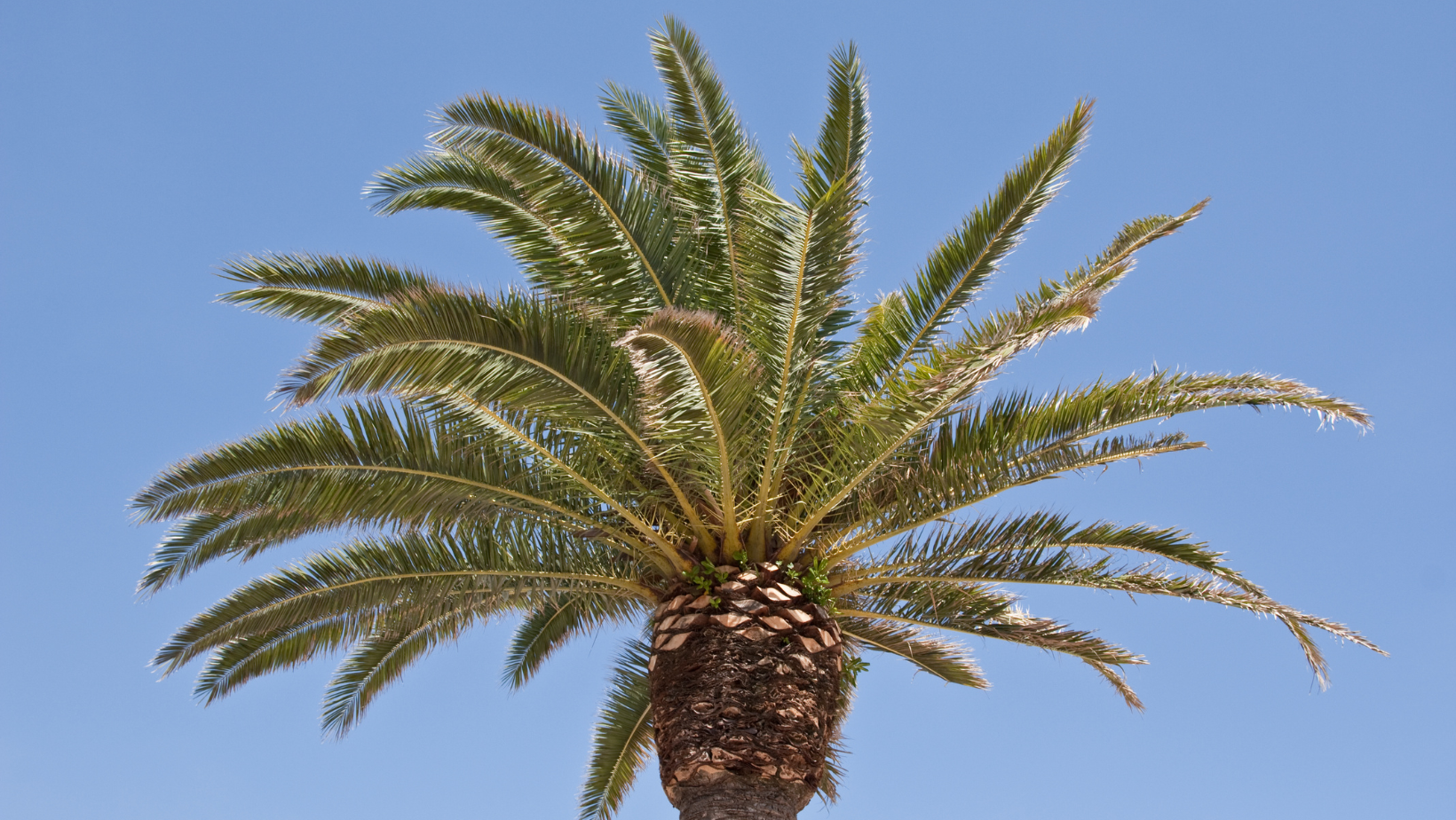
Crown reduction can selectively shorten branches to reduce part of the tree's height or spread while retaining suitable lateral growth. This is different from indiscriminate topping.
What Pruning Does Not Automatically Do
It Does Not “Cure” Every Tree
Removing dead or damaged material can be useful, but pruning does not fix root disease, poor drainage, soil compaction or every cause of canopy decline.
It Does Not Storm-Proof a Tree
Pruning can address particular branches or structural concerns, but severe weather can still damage apparently healthy, well-maintained trees.
More Pruning Is Not Better Pruning
Living foliage produces energy for the tree. Removing excessive healthy canopy can create stress and change how the remaining branches grow.
When Is the Best Time to Prune in Brisbane?
There is no single “pruning season” that applies to every tree in South East Queensland.
Advice to prune all trees during a dormant winter period comes largely from cooler-climate horticulture. Brisbane's subtropical conditions, evergreen species and long growing season mean the better timing depends on the individual plant and the objective.
Tree Pruning, Lopping and Topping: What's the Difference?
| Term | What It Means | What to Look for in a Quote |
|---|---|---|
| Pruning | Selective removal of branches or parts of branches for a defined objective. | The reason for pruning and which part of the canopy is being managed. |
| Tree lopping | A broad Queensland term for cutting or pruning branches and limbs. | A clear description of how much will be removed and from where. |
| Crown reduction | Selective shortening of branches to reduce tree height, spread or both. | Reduction back to suitable laterals rather than arbitrary stubs. |
| Topping | Indiscriminate cutting of branches back to stubs or undersized laterals. | Avoid treating topping as a routine way to manage tree height. |
Where broader branch or canopy reduction is required, tree lopping in Brisbane should still have a defined purpose rather than simply removing as much foliage as possible.
What About the Old Advice to “Thin the Tree So Wind Passes Through”?
This idea is often repeated after storm season, but it should not be treated as a guarantee of safety.
Crown thinning selectively reduces canopy density and can be appropriate for particular objectives, but removing excessive interior foliage can leave a tree with poor branch distribution and a canopy concentrated at the ends of limbs.
A tree should be assessed for actual structural issues — deadwood, weak unions, damaged limbs, overextended branches or root problems — rather than routinely hollowing out the canopy in the hope that it will become “storm-proof”.
DIY Pruning: Where Is a Sensible Boundary?
Small garden pruning from ground level can be very different from professional tree work. Homeowners may be comfortable removing small, accessible twigs or branches with hand tools where there is no fall, electrical or falling-branch risk.
Leave the Job to Professionals When It Involves:
- climbing or working from a ladder;
- large or heavy limbs;
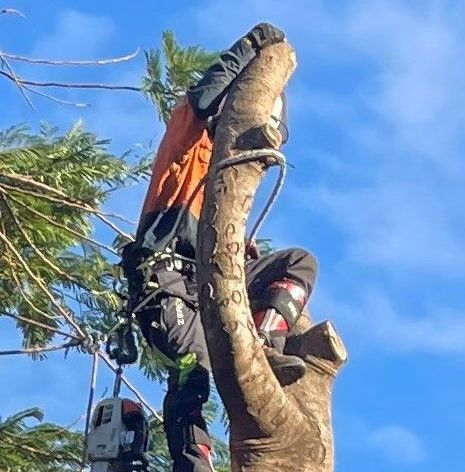
- chainsaw work above ground level;
- broken, suspended or unstable branches;
- branches above roofs, vehicles, roads or neighbouring property;
- an elevated work platform or rigging; or
- trees anywhere near powerlines.
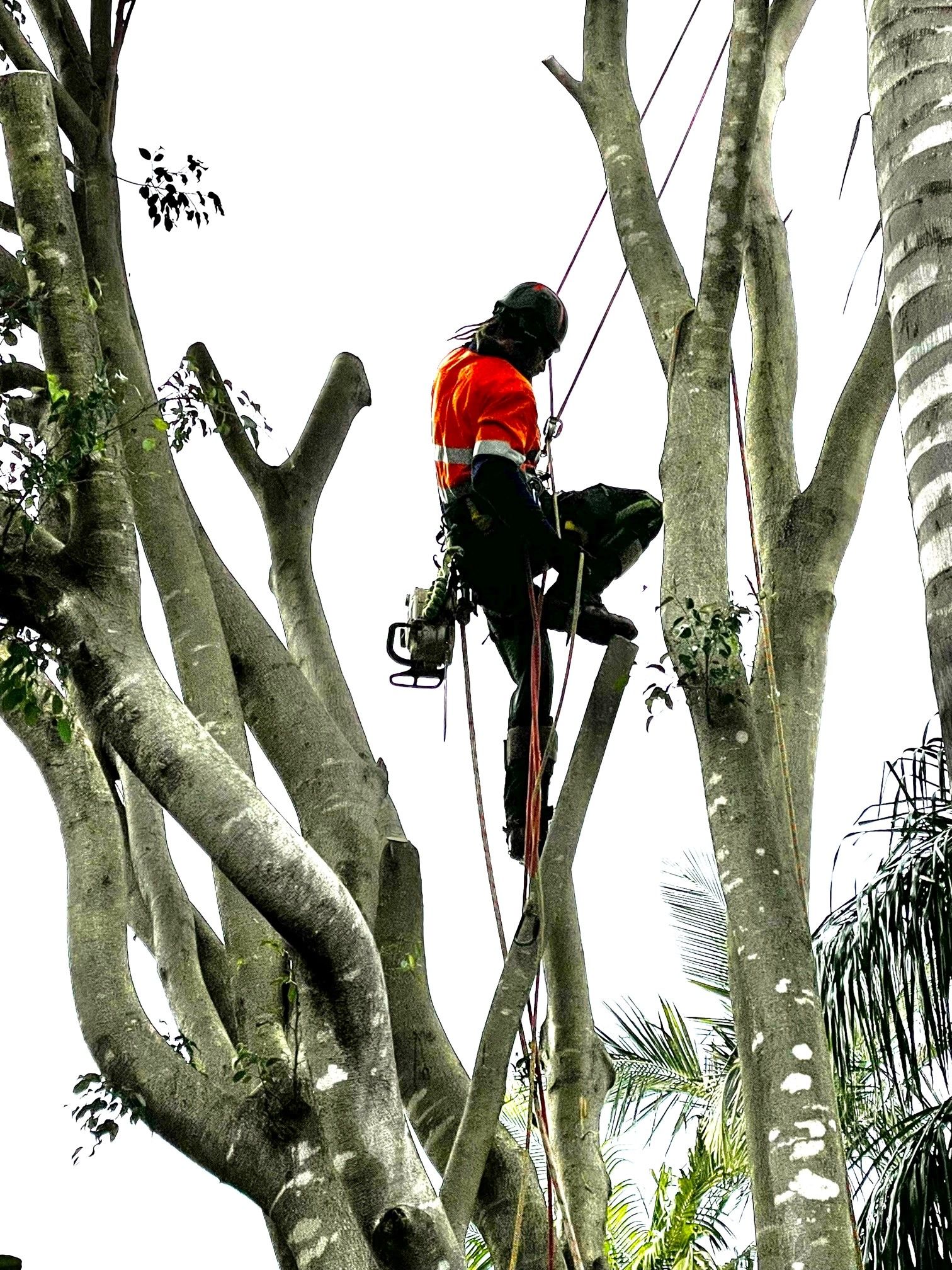
WorkSafe Queensland identifies falls from height, falling branches, uneven ground, weather and overhead powerlines among the hazards associated with tree lopping, cutting and pruning work.
Energex is even more direct on electrical safety: vegetation near powerlines should not be trimmed by homeowners.
Before You Prune: Check Whether the Tree Is Protected
Brisbane City Council's Natural Assets Local Law protects certain vegetation on private property as well as Council street and park trees.
Council says owners need to determine whether vegetation on their property is protected before pruning. Street trees require permission even for minor pruning directly outside a property.
Check Brisbane's current protected vegetation requirements before carrying out work where Council protection may apply.
Sometimes the Best Pruning Job Is a Small One
A mature tree does not need to look dramatically different after every pruning job. In many cases, the most successful work removes only what is necessary to achieve the objective while retaining the tree's natural form and useful canopy.
That might mean clearing one side away from a roof, removing selected deadwood, correcting a developing branch issue or reducing a few overextended limbs rather than reshaping the entire tree.
Good pruning is measured by the quality of the decisions and cuts — not by the size of the pile left on the ground.
Tree Pruning and Canopy Management in Brisbane
GDE Tree Services can assess the tree, the reason for pruning and the surrounding property and provide a free written quote for the work required.
Frequently Asked Questions About Tree Pruning
When is the best time to prune trees in Brisbane?
There is no single best season for every Brisbane tree. Timing depends on the species, flowering cycle, tree condition and reason for pruning. Dead or hazardous branches may need attention when they are identified, while flowering and structural pruning can have different ideal timing.
Should flowering trees always be pruned after they flower?
No. Trees and shrubs that flower on growth produced the previous season are often pruned after flowering so next season's flower buds are not removed. Species that flower on new growth can be managed differently, so the flowering habit of the plant matters.
Does pruning make a tree healthier?
Pruning can remove dead, damaged or poorly positioned branches and can improve structure or clearance. It does not automatically improve health, and unnecessary or excessive pruning removes living foliage the tree uses for photosynthesis.
Does pruning make a tree storm-proof?
No. Pruning can address certain dead, damaged or structurally problematic branches, but no pruning method can guarantee that a tree will not fail in severe weather.
What is crown reduction?
Crown reduction selectively shortens branches to reduce tree height, spread or both while retaining suitable lateral branches. It is different from topping, which cuts branches indiscriminately to stubs or undersized laterals.
How much of a tree can be pruned at once?
There is no safe percentage that applies to every tree. The amount depends on species, age, condition, previous pruning and the objective. Mature or stressed trees can respond poorly to heavy canopy loss, so unnecessary live-foliage removal should be avoided.
Can I prune a Brisbane street tree myself?
Brisbane City Council says street and park trees are protected. Property owners need permission even for minor pruning of a street tree directly outside their property.
When should tree pruning be left to a professional?
Professional help is appropriate when work involves large limbs, climbing, ladders, chainsaws, an elevated canopy, unstable branches, powerlines, structures below the tree or uncertainty about how much canopy can safely be removed.
Need a Tree Pruned for a Specific Reason?
Arrange a free written quote from GDE Tree Services for pruning, clearance or canopy management across Brisbane.
Request a Free Written QuotePruning requirements vary by species, age, condition, previous pruning and site. This article provides general information and is not a tree-risk assessment.