6 Tips to Keep You Safe This Storm Season in South East Queensland
Storm season can bring heavy rain, damaging winds, hail and flash flooding across South East Queensland. Preparing your home early—including arranging professional tree trimming in Brisbane where branches are damaged, overextended or too close to structures—can reduce avoidable risks before severe weather arrives.
Brisbane City Council describes storm season as typically running from October to March, while the Bureau of Meteorology notes that severe thunderstorms can develop quickly and may occur outside the main season.
Do not wait for a severe weather warning to begin preparing. Tree inspections, roof repairs, gutter cleaning and emergency planning are safer and easier to complete during calm weather.
No home or tree can be made completely storm-proof, but early preparation can reduce hazards and help your household respond quickly.
Stay Informed and Register for Local Alerts
Monitor the Bureau of Meteorology forecast, radar and official warnings rather than relying only on social media posts or messages shared by other people.
The Bureau classifies a thunderstorm as severe when it may produce large hail of at least two centimetres, damaging wind gusts of at least 90 kilometres per hour, a tornado or heavy rain capable of causing flash flooding.
Brisbane residents can also register for the free Brisbane Severe Weather Alert service. Alerts can cover severe thunderstorms, destructive winds, cyclones, creek flooding, tidal flooding and other local events.
- Install or update the BOM Weather app.
- Check that notification permissions are enabled.
- Register home, work and family addresses for Council alerts where available.
- Know where to find your local council’s disaster dashboard.
- Keep a battery-powered radio available in case mobile and internet services fail.
Secure Outdoor Items Before Strong Winds Arrive
Outdoor furniture, garden tools, toys, bins, pot plants and unsecured building materials can become dangerous projectiles during severe winds.
Move smaller items indoors or into a secure shed. Tie down or relocate larger items that cannot be brought inside, and check that gates, shade structures and temporary garden features are properly secured.
- Store trampolines, umbrellas and lightweight furniture securely.
- Remove loose materials from decks and balconies.
- Secure bins and garden equipment.
- Move vehicles under suitable cover where hail is forecast.
- Check that pets have a secure indoor or sheltered area.
Prepare an Emergency Kit and Household Plan
Queensland emergency guidance recommends preparing supplies for at least three days in case electricity, water, transport or access to shops is disrupted.
Your kit should include:
- drinking water and non-perishable food;
- essential medications and a first aid kit;
- torches, spare batteries and a battery-powered radio;
- mobile phone cables and a charged portable power bank;
- important documents stored in waterproof packaging or secure digital storage;
- cash, toiletries, sturdy footwear and protective gloves; and
- food, medication, leads or carriers for pets.
Queensland’s emergency kit checklist provides a useful starting point.
Your household plan should identify emergency contacts, two meeting locations, essential medical information and what each person will do if you need to shelter or evacuate.
Inspect Trees and Overhanging Branches Early
Trees should be inspected before severe weather is imminent. Once strong winds, heavy rain or lightning have arrived, tree work may be unsafe or impossible.
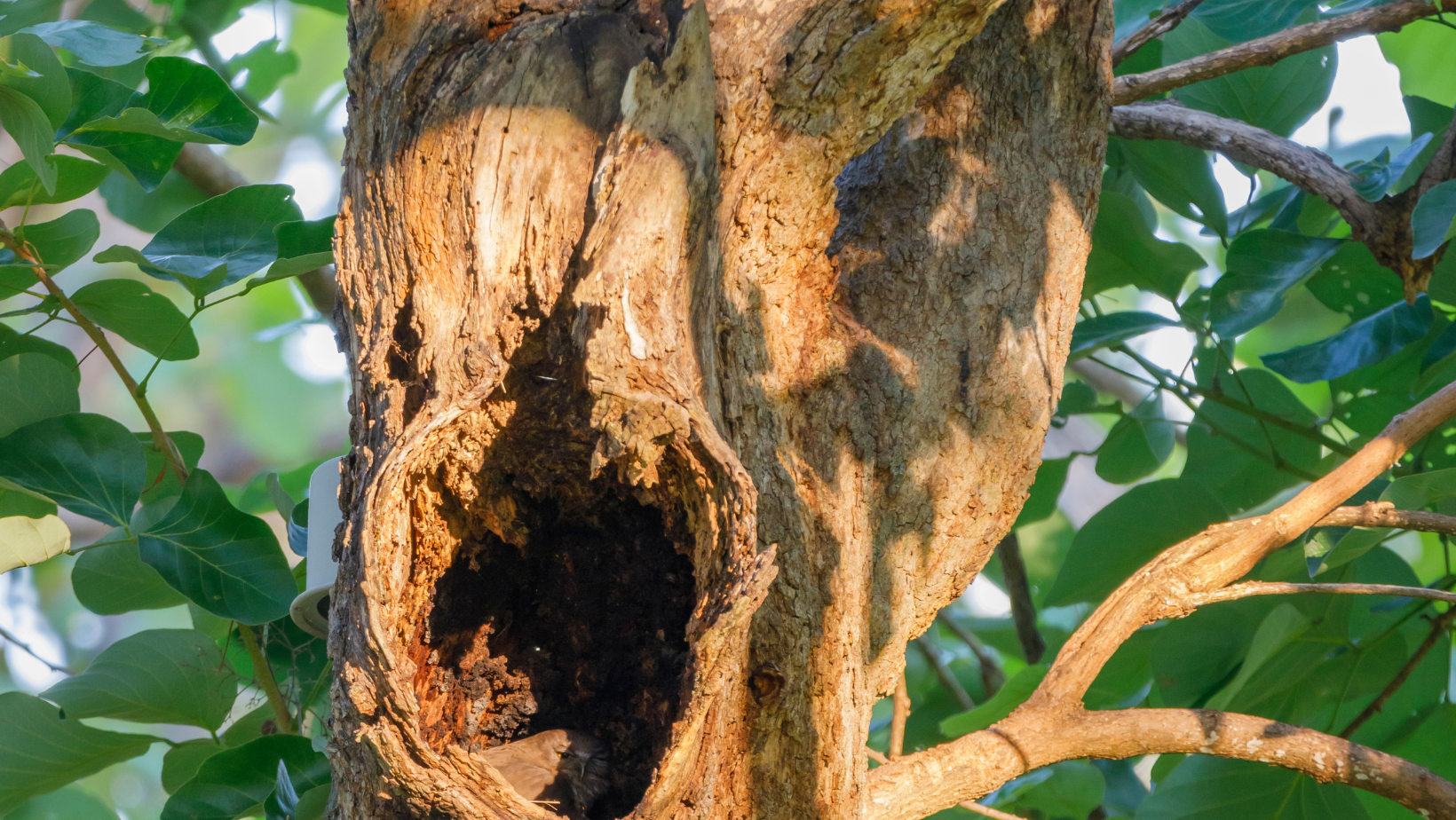
Warning signs that deserve professional attention include:
- dead, broken or hanging branches;
- cracks or splits in the trunk or major limbs;
- overextended branches above roofs, driveways or outdoor areas;
- recent storm damage or previous branch failures;
- exposed, damaged or lifting roots;
- a sudden or increasing lean;
- soil movement around the base of the tree; and
- branches growing close to powerlines.
Never Trim Trees Near Powerlines Yourself
Energex warns that electricity can pass through trees when branches or foliage touch overhead lines. Use Energex’s reporting service for trees growing into network powerlines, or engage a suitably qualified professional where branches are close to the service line connecting the property.
Appropriate work may include deadwood removal, selected branch reduction or improving clearance. Excessive lopping does not make a tree automatically safer and can leave it stressed or unbalanced.
Check the Roof, Gutters and Drainage
Loose roof materials and blocked drainage can increase damage during heavy rain and strong winds.
Before storm season:
- have loose tiles, roof sheets, flashings and fixings repaired;
- clear leaves and debris from gutters and downpipes;
- check that water can drain away from the building;
- remove debris from surface drains and grates;
- inspect skylights, awnings and external fixtures; and
- confirm that home, contents and vehicle insurance details are current.
Work at height can be dangerous. Engage an appropriately qualified contractor where roof access or repairs are required.
Know When to Shelter, Evacuate or Call for Help
Your emergency plan should identify the safest room in the home, where you will go if evacuation is directed and how you will move children, older family members, pets and essential medication.
Never drive through floodwater. Follow evacuation and emergency instructions issued by authorities, and leave early where directed rather than waiting until roads or access become unsafe.
- Call 000 for a life-threatening or critical emergency.
- Call the Queensland SES on 132 500 for storm and flood assistance.
- Treat fallen or damaged powerlines as live and keep well away.
- Do not stand beneath damaged or suspended branches.
- Photograph property damage only when it is safe to do so.
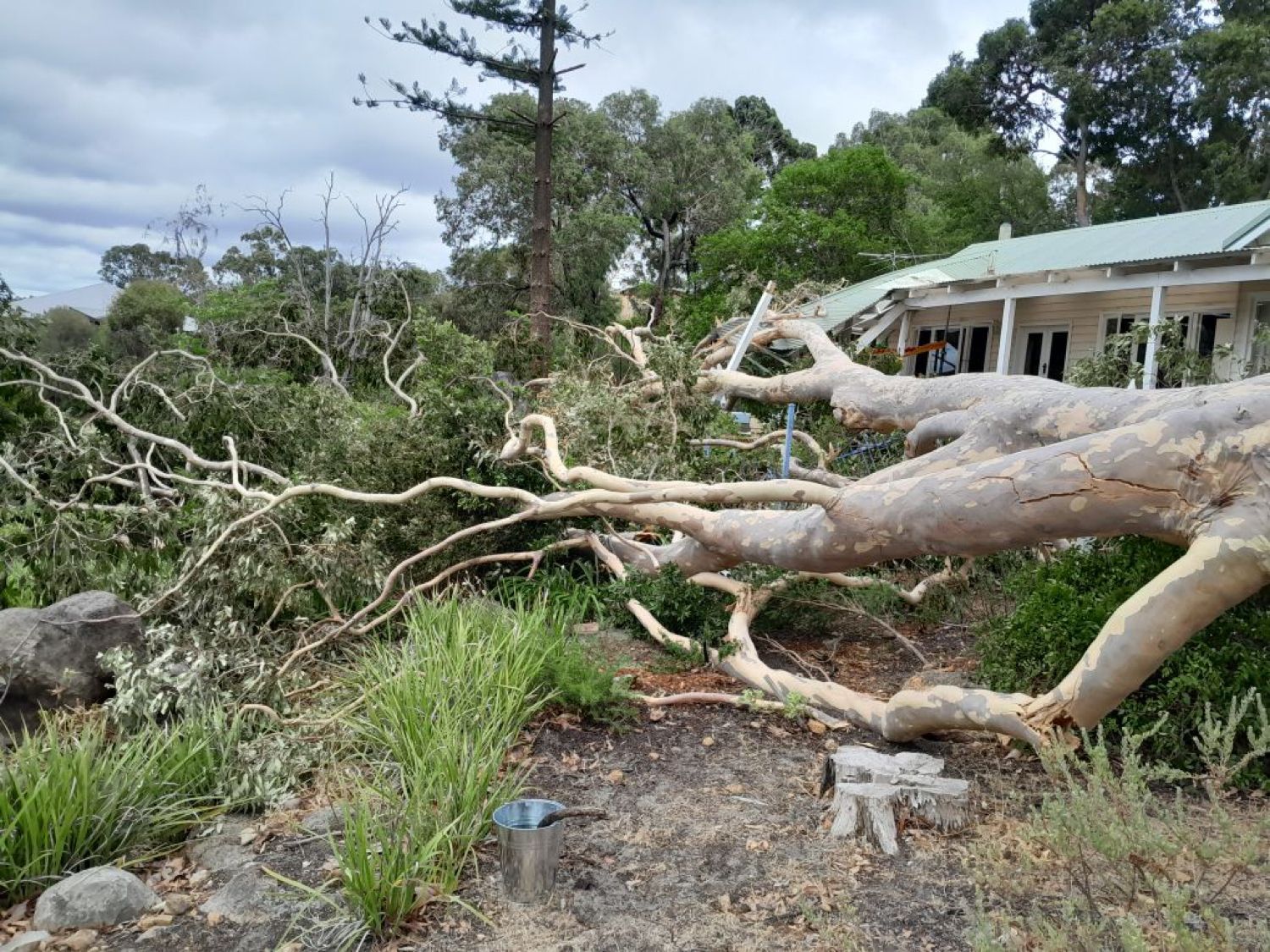
What to Do if a Tree Falls During a Storm
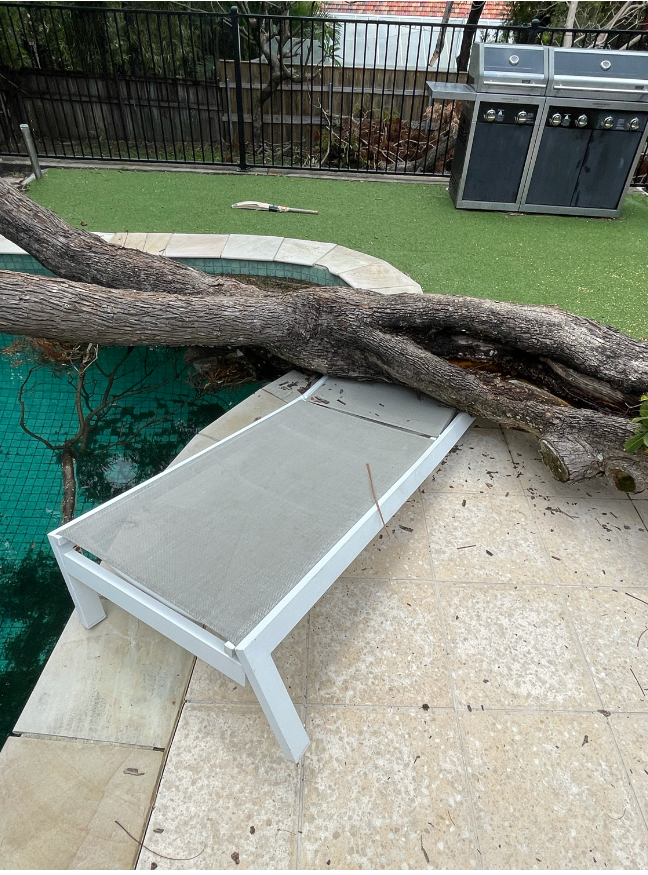
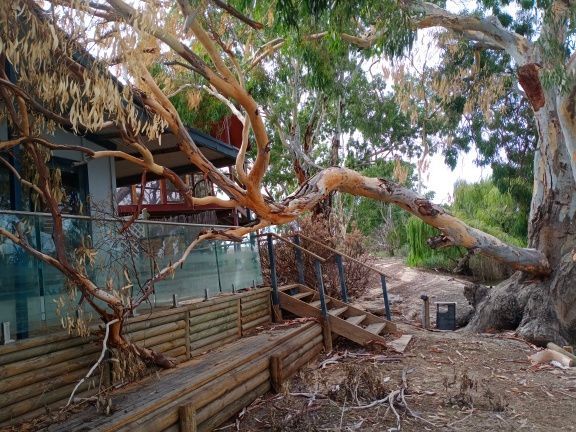
Keep people, pets and vehicles away from the affected area. Fallen trees and partially detached branches can move without warning, especially when the ground is saturated or winds continue.
Where a fallen or unstable tree is resting on a building, blocking safe access or threatening further damage, GDE’s 24/7 emergency tree removal service can assess the tree and determine the immediate make-safe work required.
Where insurance may be involved, take photographs before material is moved when it is safe, contact the insurer promptly and retain written quotes and itemised invoices.
How GDE Tree Services Can Help Before Storm Season
GDE Tree Services has provided professional tree work throughout Brisbane and South East Queensland since 1987.
Our team can inspect trees and provide a free on-site written quote for work that may reduce identifiable branch and canopy hazards before storm season.
Storm Preparation Tree Services
- Deadwood and hanging-branch removal
- Overhanging branch reduction
- Tree trimming and canopy maintenance
- Storm-damaged tree assessment
- Large and difficult tree work
- Green waste chipping and removal
- Mulch left on-site when requested
- Final site clean-up
Tree maintenance can reduce specific hazards, but it cannot guarantee that a tree will withstand every storm. Severe winds, saturated soil, lightning and hidden defects can still contribute to branch or whole-tree failure.
Frequently Asked Questions
When is storm season in South East Queensland?
Brisbane City Council describes the local storm season as typically running from October to March. Severe thunderstorms can occur outside that period, so preparation and tree maintenance should not be delayed until a warning is issued.
When should trees be checked before storm season?
Arrange an inspection well before the busiest storm months, particularly where you have large trees, overhanging branches, previous storm damage, deadwood or trees close to buildings and access areas.
Can I trim branches near powerlines myself?
No. Energex advises that people should not trim vegetation near powerlines themselves. Use Energex’s reporting service for network-line concerns or engage a suitably qualified professional where branches are near the service line to the property.
What should be included in a storm emergency kit?
Queensland emergency guidance recommends supplies for at least three days, including drinking water, non-perishable food, medications, first aid items, torches, batteries, a battery-powered radio, mobile phone chargers, important documents and pet supplies.
What should I do if a tree falls during a storm?
Keep everyone away from the tree and any suspended branches. Treat damaged powerlines as live, call 000 for a life-threatening emergency, contact the SES on 132 500 for storm and flood assistance, and arrange professional tree work when it is safe.
Does pruning guarantee a tree will not fail in a storm?
No. Appropriate pruning may reduce particular branch hazards, but no tree can be made completely storm-proof. Wind, saturated soil, hidden defects and the severity of the weather can still contribute to failure.
Can GDE Tree Services prepare trees for storm season?
Yes. GDE Tree Services can inspect trees and provide a free written quote for trimming, deadwood removal, branch reduction and other appropriate work before storm season.
Prepare Your Trees Before Storm Season
Arrange an assessment before severe weather is forecast. GDE Tree Services can inspect the tree and property and provide a free written quote for the recommended work.
Call 07 3910 3439 to arrange an on-site quote.
Request a Free Written QuoteThis article provides general preparedness information. Follow current directions and warnings issued by the Bureau of Meteorology, emergency services and your local council during a severe weather event.