Which Palms Are Low Maintenance in Brisbane?
Palm maintenance varies far more than many homeowners expect. Some palms naturally shed old fronds and need relatively little canopy work, while others hold dead foliage, produce heavy fruit or become difficult to manage once they reach roof height.
If an existing palm has become unsuitable for the property, repeatedly maintaining it may eventually cost more effort than professional palm removal in Brisbane. The better option depends on the species, location and what the palm is dropping into the area below.
First: What Does “Self-Cleaning” Actually Mean?
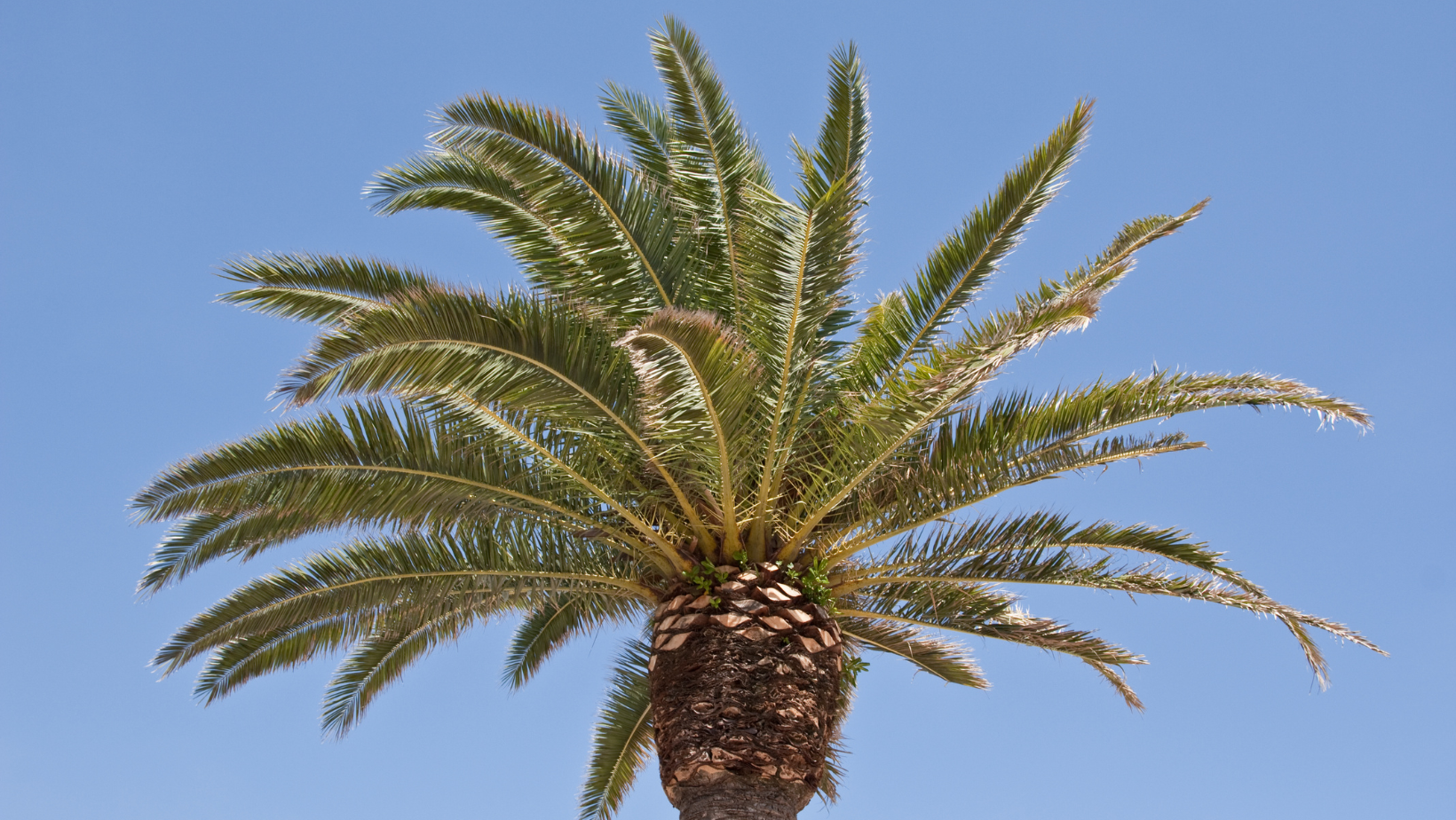
A self-cleaning palm naturally releases its old dead fronds instead of retaining them around the trunk. That can reduce the need for regular high-level pruning, but it does not mean the palm creates no maintenance.
Fallen fronds can still be large and heavy, and flowers, fruit or seedlings can create additional cleanup. Where a palm overhangs a driveway, pool, path or outdoor area, natural frond drop may actually become part of the maintenance problem.
Palms That Can Be Relatively Easy to Live With
Kentia Palm
Howea forsterianaKentia Palms are slow-growing, elegant palms that are well known for tolerating more sheltered and lower-light conditions than many tropical-looking species.
Their slower growth can make them easier to manage where the position suits them, although they are generally a better match for protected landscapes than a hot, exposed location with reflected heat.
Good fit for: sheltered courtyards, protected gardens and positions where a slower-growing palm is preferred.
Lady Palm
Rhapis excelsaLady Palm is a clumping palm rather than a towering single-trunk tree. Its smaller scale can make it far easier to live with in shaded or semi-shaded residential areas.
It may still need occasional thinning of older canes and removal of dead foliage, but access is usually much simpler than dealing with a palm whose crown is several storeys above the ground.
Good fit for: smaller gardens, screening and protected spaces where height is not the objective.
Alexander Palm
Archontophoenix alexandraeAlexander Palm is an Australian native with a smooth trunk and prominent crownshaft. Crownshaft palms generally have a cleaner trunk appearance because old fronds are released rather than accumulating indefinitely around the stem.
A mature Alexander Palm can still be tall, so think carefully about what sits beneath the crown. A naturally falling frond is much less convenient when the palm is positioned above a roof, car space or pool.
Good fit for: subtropical landscapes with vertical space and a sensible drop zone beneath the crown.
Foxtail Palm
Wodyetia bifurcataFoxtail Palm is native to northern Queensland and has become a popular ornamental because of its distinctive full, plume-like fronds and smooth crownshaft.
It can be a relatively tidy-looking palm when planted in a suitable location, although fallen fronds, fruit and nutrition still need to be considered. “Low maintenance” should not be confused with “plant it and forget it”.
Good fit for: larger tropical-style gardens with enough room beneath the crown.
Palms That Can Create More Ongoing Work
Cocos or Queen Palm
Syagrus romanzoffianaThis is where the old advice needed the biggest correction. Queensland Government information states that Cocos or Queen Palm fronds do not self-shed. Dead fronds can remain hanging around the crown and the palm produces large quantities of orange-yellow fruit.
The species is also an environmental weed in Queensland, and Brisbane City Council lists Cocos Palm as Council Pest Vegetation with complete removal as its control method.
Read Queensland Government's Cocos Palm information.
Maintenance issue: retained fronds, fruit drop, seedlings and environmental weed status.
Mexican Fan Palm
Washingtonia robustaMexican Fan Palm is often described too casually as self-cleaning. Younger palms can retain old dead leaves for years, creating the familiar dry “skirt” around the trunk.
Mature specimens can eventually begin shedding old foliage naturally, but by that stage they may be extremely tall. So although the biological need for manual frond removal may decrease, any work that is still required can involve much more difficult access.
Maintenance issue: retained dead fronds when younger and very difficult access once mature.
And What About Sago Palm?
Sago Palm Is Not Actually a Palm
Sago Palm (Cycas revoluta) is a cycad. It may look palm-like, but it belongs to a completely different group of plants and has different pest, growth and maintenance considerations.
For that reason, it makes more sense to leave it out of a comparison of true palm maintenance rather than rank it as a “high-maintenance palm”.
Quick Palm Maintenance Comparison
| Palm | Typical Maintenance Consideration | What to Think About Before Planting |
|---|---|---|
| Kentia Palm | Slow growth and relatively manageable foliage in a suitable sheltered site. | Light, shelter and long-term height. |
| Lady Palm | Occasional thinning or removal of old canes and leaves. | Clumping spread rather than tall single-trunk growth. |
| Alexander Palm | Older fronds are naturally released, reducing retained dead foliage. | Where large falling fronds will land. |
| Foxtail Palm | Generally tidy crown form, but fruit and fallen fronds still need consideration. | Space beneath the crown and nutritional needs. |
| Mexican Fan Palm | Younger palms can retain a skirt of dead fronds; mature palms become extremely tall. | Future access at height. |
| Cocos / Queen Palm | Fronds do not self-shed; fruit and seedlings add cleanup. | Environmental weed status in Brisbane and South East Queensland. |
Why “Low Maintenance” Depends on Where You Plant the Palm
The lowest-maintenance palm is usually the one whose mature height, canopy and litter pattern actually suit the position.
Do Self-Cleaning Palms Need Pruning?
Usually much less for dead-frond removal, but that does not mean every hanging or yellowing frond should be cut away early.
Healthy green fronds are actively supporting the palm. Palm-pruning guidance recommends retaining green foliage and focusing on dead or substantially browned leaves rather than repeatedly stripping the crown.
Flower or fruit clusters may also be managed separately where they create a litter problem, unwanted seedlings or a hazard beneath the palm.
When an Existing Palm Has Become More Trouble Than It Is Worth
Maintenance needs often change as a palm matures. A plant that was easy to tidy when the crown was three metres high can become a very different proposition once access requires specialist equipment.
Removal may be worth considering when a palm:
- has become unsuitable for a confined site;
- regularly drops heavy fronds or fruit into high-use areas;
- is badly declining or damaged;
- conflicts with buildings or services;
- requires repeated expensive high-access maintenance; or
- is an unwanted environmental weed such as Cocos Palm.
If the stump also needs to be cleared for landscaping or construction, stump grinding or stump removal can be considered separately after the standing palm is removed.
Need an Existing Palm Assessed?
GDE Tree Services can inspect mature palms that have become difficult to manage, are dropping material into problem areas or no longer suit the property, and provide a free written quote for removal where required.
Frequently Asked Questions About Palm Maintenance
What does self-cleaning mean for a palm tree?
A self-cleaning palm naturally releases older dead fronds rather than retaining them around the trunk. It does not mean the palm creates no maintenance, because fallen fronds, flowers, fruit and seedlings can still need to be managed.
Is a Queen Palm self-cleaning?
No. Queensland Government information for Cocos or Queen Palm states that its fronds do not self-shed. Dead fronds and dropped fruit can create ongoing cleanup, and Brisbane City Council lists the species as Council Pest Vegetation.
Is a Mexican Fan Palm self-cleaning?
Only partly, and usually later in life. Younger Mexican Fan Palms can retain a skirt of dead fronds for years. Mature palms may eventually shed old leaves naturally, but by then the palm can be extremely tall, so any work that is still required can involve difficult access.
Are Kentia Palms low maintenance?
Kentia Palms are slow-growing and can be relatively low maintenance in a sheltered position with suitable light and drainage. They are often better suited to protected or partly shaded landscapes than exposed, full-sun sites.
Is a Lady Palm suitable for a small garden?
Lady Palm is a clumping palm rather than a tall single-trunk palm. It can work well in shaded or protected smaller spaces, although older canes and dead fronds may still need occasional thinning or tidying.
Is Sago Palm actually a palm?
No. Sago Palm is a cycad, not a true palm. It has different growth and pest issues, so it is better treated separately from a guide comparing true palms.
Should green palm fronds be removed to reduce maintenance?
Generally no. Palm-pruning guidance recommends retaining healthy green fronds and removing dead or substantially browned material rather than over-pruning the crown.
When does removing a palm make more sense than maintaining it?
Removal may be worth considering when a palm has become unsuitable for the site, repeatedly drops heavy material into high-use areas, is badly declining, conflicts with structures or services, or is an unwanted environmental weed such as Cocos Palm.
Has a Palm Become Too Difficult to Maintain?
Arrange a free written quote from GDE Tree Services for palm removal in Brisbane and South East Queensland.
Request a Free Written QuotePalm performance varies with species, soil, drainage, exposure and local conditions. This article provides general landscaping information rather than a diagnosis of an individual palm.