Deadwooding Trees: When and Why Dead Branches Should Be Removed
Dead branches are common in mature trees, but they do not all carry the same level of concern. A small dead twig over an unused garden bed is very different from a large brittle limb suspended over a driveway, roof or outdoor area.
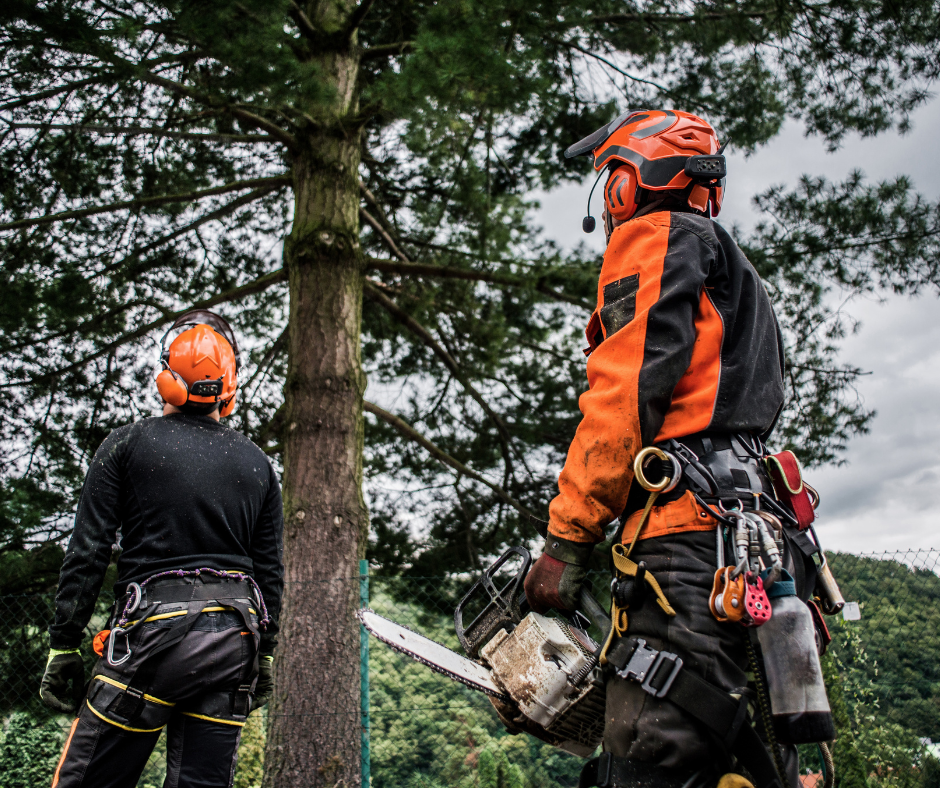
Deadwooding is one form of professional tree trimming and pruning, with a very specific purpose: identifying and removing dead branches where doing so is appropriate.
What Does Deadwooding Actually Mean?
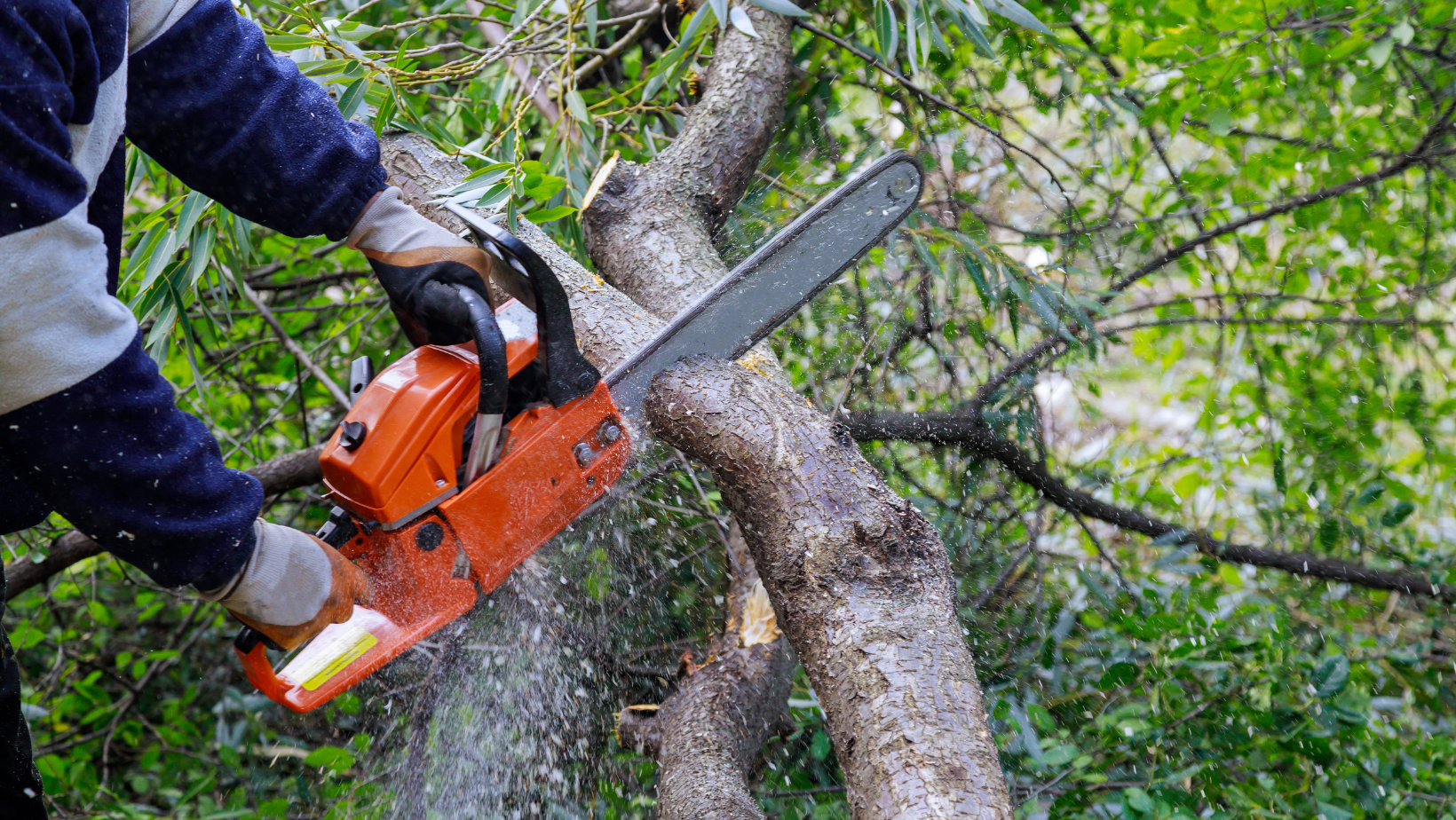
Deadwooding is the selective removal of dead branches from a tree.
The term is often used more broadly in everyday conversation, but arboricultural pruning terminology makes a useful distinction. The International Society of Arboriculture describes crown cleaning as removal of dead, dying, diseased, weakly attached and low-vigour branches. Deadwooding is the dead-branch part of that work.
Deadwooding vs Crown Cleaning
Deadwooding
Focuses on branches that are already dead. The objective may be to reduce the chance of larger dead branches falling into areas used by people or property, or simply to tidy dead material from the canopy.
Crown Cleaning
Can include dead branches as well as dying, diseased, weakly attached or low-vigour branches. This is a wider pruning objective and should not be described as simple deadwood removal.
Why Remove Dead Branches?
The strongest reason is usually what sits underneath them.
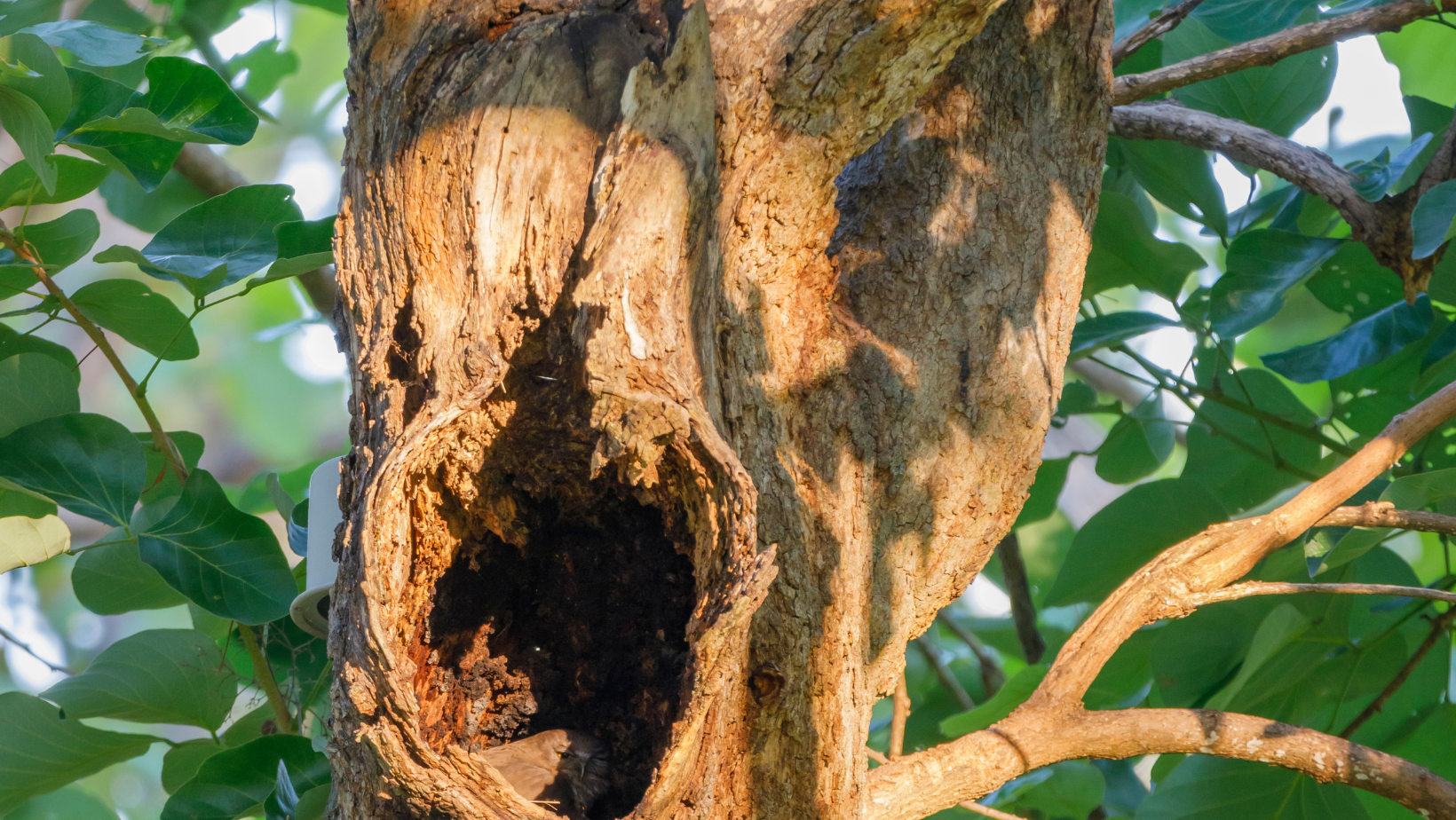
Dead branches no longer contain living tissue and can become dry or brittle over time. Larger deadwood may eventually detach, and the consequence matters far more when the branch is above a house, parked vehicle, path, playground, driveway or frequently used outdoor area.
Deadwooding can also make the canopy easier to inspect by removing obvious dead material and can improve the appearance of prominent landscape trees.
Deadwooding Is Not a Cure for Tree Decline
Removing a dead branch does not fix the reason it died. Where a tree is developing increasing amounts of deadwood, canopy dieback or other symptoms, the underlying cause may involve roots, water stress, disease, previous damage or structural problems that need separate assessment.
Which Dead Branches Should Be Prioritised?
Size and target combine to make these branches more consequential if they fail.
These are no longer simply deadwood sitting in position; they may already have partially failed.
Widespread dead branches may indicate a broader decline issue rather than an isolated pruning requirement.
They may still be removed for appearance or routine maintenance, but they do not carry the same consequence as large deadwood over people or structures.
Is Deadwooding Good for Tree Health?
It is better to be precise here than to say deadwooding automatically “makes a tree healthier”.
The dead branch itself is no longer contributing energy to the tree. Removing it can achieve a safety, clearance or appearance objective, and pruning guidance commonly includes dead-branch removal as a normal part of mature-tree maintenance.
But deadwooding does not redirect large amounts of energy into healthy growth, cure disease or guarantee better structural integrity. The health of the remaining tree depends on the living canopy, roots, trunk, soil and whatever caused the branch death in the first place.
When Is the Best Time to Deadwood a Tree?
There is usually no need to wait for a Brisbane tree to enter a mythical “dormant season” before dead branches can be removed.
International Society of Arboriculture guidance says light routine pruning to remove weak, dead or diseased limbs can generally be performed at any time of year with little effect on the tree.
For deadwooding, practical considerations are often more important:
- Is the dead branch large?
- Is it over a house, path, road, vehicle or outdoor area?
- Is it cracked or partly detached?
- Has the tree recently been damaged in a storm?
- Can the work be carried out safely in the current weather?
What Does a Professional Deadwooding Job Involve?
1. Identify the Deadwood
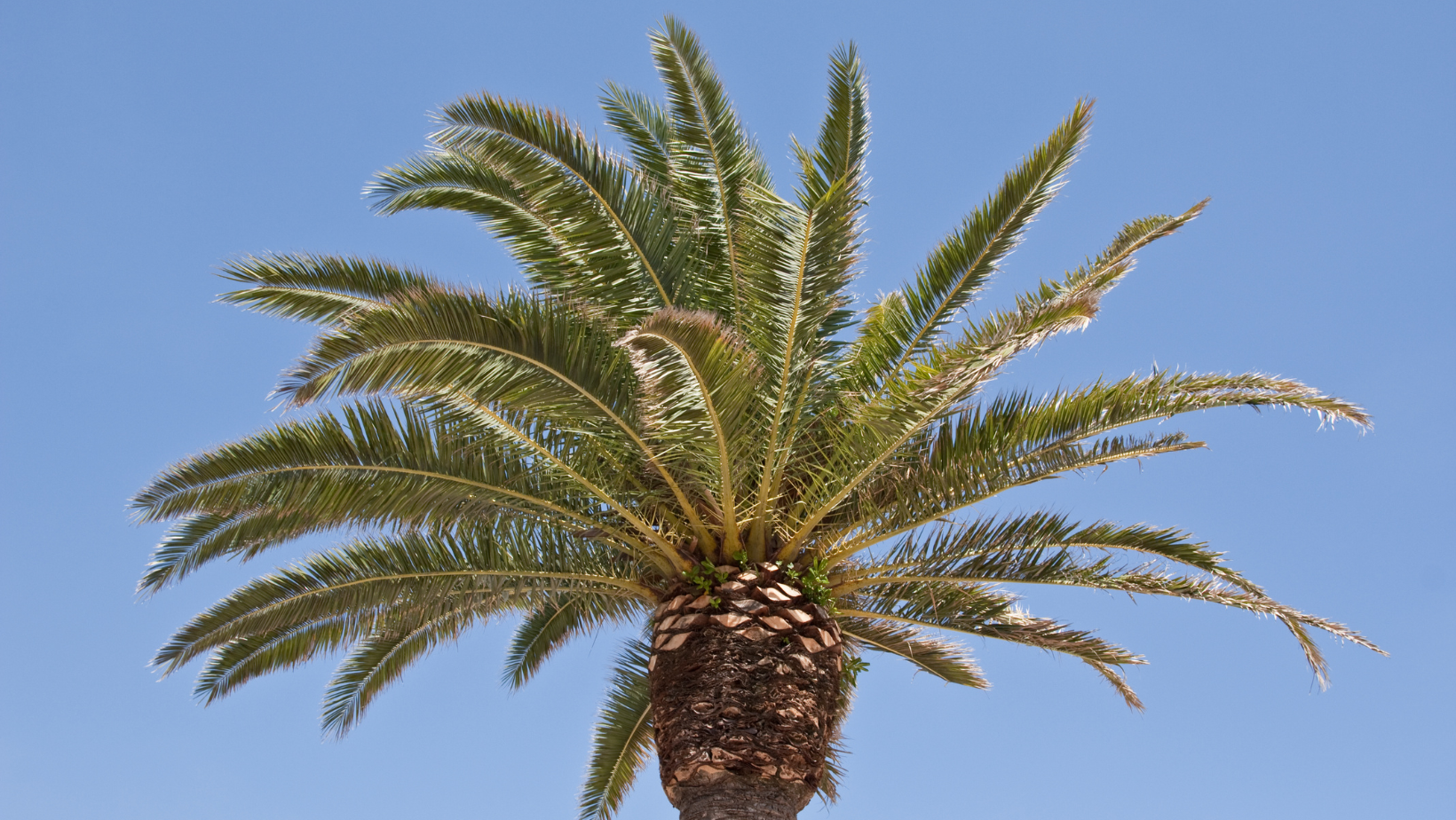
The canopy is inspected to distinguish genuinely dead branches from live branches with sparse foliage, seasonal leaf loss or another condition.
2. Prioritise the Work
Branch size, height, condition and what is beneath the branch help determine which deadwood matters most.
3. Select the Access Method
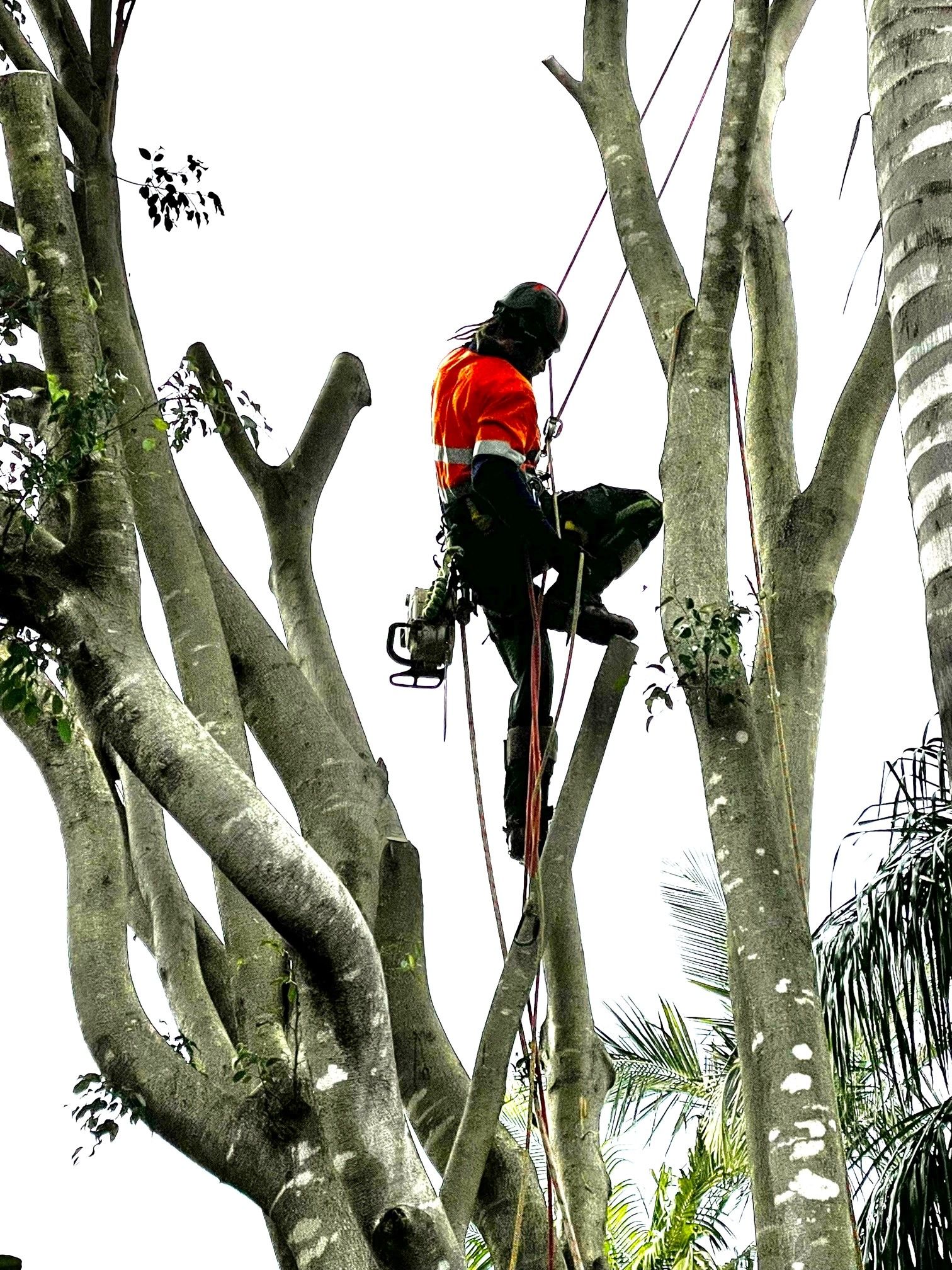
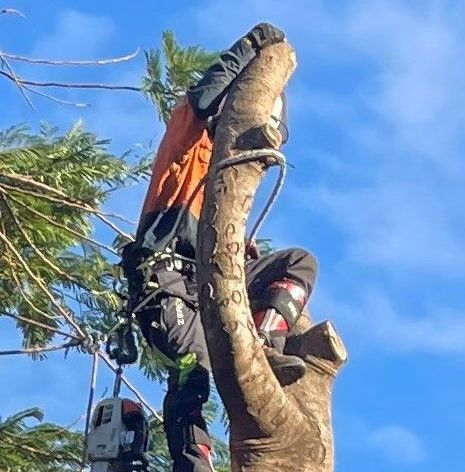
Depending on the tree, access may involve climbing, an elevated work platform or other equipment, with rigging used where branches cannot simply be allowed to fall.
Deadwooding Does Not Mean Stripping the Canopy
A deadwooding quote should describe the dead material being targeted rather than becoming an excuse for unnecessary live-branch removal.
It can also be useful to define a branch-size threshold on large trees. For example, a contractor may be asked to remove deadwood above a nominated diameter rather than chasing every tiny dead twig through a mature canopy.
This keeps the scope focused on the deadwood that matters most for the property and makes written quotes easier to compare.
Deadwood After Storms
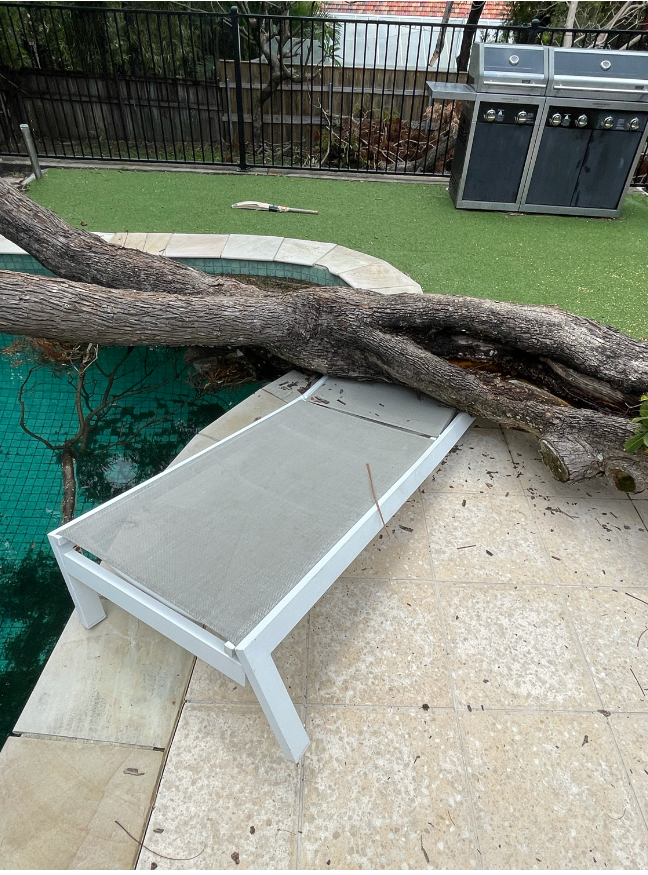
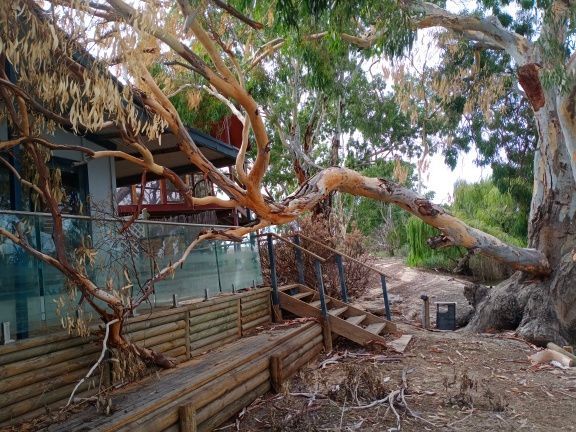
Storm damage can leave branches that are dead, broken or suspended but still caught in the canopy. These can be much harder to assess from directly underneath and should not be treated like routine garden pruning.
Keep Clear of Suspended or Unstable Branches
Safe Work Australia treats tree work as involving hazards including falling objects and falls from height. Do not climb a storm-damaged tree or work beneath hanging branches to investigate them yourself.
Where a tree or major branch remains unstable after severe weather, emergency tree removal in Brisbane may be required rather than ordinary deadwooding.
Can You Deadwood a Tree Yourself?
Small dead twigs that can be reached safely from the ground with hand tools are very different from dead branches high in a mature tree.
Professional help is appropriate where the job involves:
- climbing or ladders;
- large or heavy dead branches;
- chainsaw use above ground level;
- branches above a house, road or neighbouring property;
- suspended or storm-damaged limbs;
- rigging or an elevated work platform; or
- work anywhere near powerlines.
Safe Work Australia's tree-work guidance specifically covers pruning and trimming and highlights the need to manage risks associated with tree access and falls.
Before Pruning in Brisbane, Check Who Owns and Protects the Tree
Brisbane City Council says Council street and park trees are protected under the Natural Assets Local Law 2003. Property owners need permission even for minor pruning to a street tree outside their property.
Vegetation on private property can also be protected, so Council recommends checking whether a permit or exemption applies before carrying out work.
Deadwooding vs Other Common Pruning Work
| Pruning Type | Main Objective | What Is Removed? |
|---|---|---|
| Deadwooding | Remove dead branches | Deadwood only |
| Crown cleaning | Clean selected defective material from the canopy | Can include dead, dying, diseased, weakly attached and low-vigour branches |
| Crown lifting | Increase clearance beneath the canopy | Selected lower branches |
| Crown reduction | Reduce tree height, spread or both | Selected live branch ends back to suitable laterals |
| Tree lopping | Broad term for branch cutting or reduction | Depends on the stated objective and scope |
Dead Branches in a Tree on Your Property?
GDE Tree Services can inspect the tree and provide a free written quote for deadwood removal, pruning or other branch work that is required.
Frequently Asked Questions About Deadwooding
What is deadwooding?
Deadwooding is the selective removal of dead branches from a tree. It is narrower than crown cleaning, which can also include dying, diseased, weakly attached or low-vigour branches.
Does deadwooding improve tree health?
Deadwooding can remove dead material and reduce the chance of dead branches falling into high-use areas, but it should not be presented as a cure for underlying tree-health problems. Root damage, drought, disease or structural defects may still need separate assessment.
When is the best time to remove dead branches?
Light routine removal of dead branches can generally be carried out throughout the year. The priority usually depends more on the size and position of the deadwood, the condition of the tree and whether people or property are beneath it.
Does every dead branch need to be removed?
Not necessarily with the same urgency. A large dead limb above a driveway or roof is a very different situation from a small dead twig over an unused part of a large property. The size, height, likelihood of failure and target below all matter.
Can dead branches fall without warning?
Yes. Dead branches can become brittle and can fail in still weather as well as during wind or storms. The risk becomes more important where larger deadwood is positioned over areas used by people, vehicles or buildings.
Is deadwooding the same as tree lopping?
No. Deadwooding has a specific objective: removing dead branches. Tree lopping is a broader term for cutting or pruning branches and may include canopy reduction, clearance or other branch work.
Can I deadwood a Brisbane street tree myself?
Brisbane City Council street and park trees are protected. Property owners need permission even for minor pruning of a street tree directly outside their property.
When should deadwooding be left to a professional?
Professional help is appropriate where dead branches are large, high in the canopy, suspended, above buildings or roads, near powerlines, or where climbing, an elevated work platform, chainsaws or rigging are required.
Concerned About Dead Branches Over Your Property?
Arrange a free written quote from GDE Tree Services for deadwooding or other professional tree pruning in Brisbane.
Request a Free Written QuoteThis article provides general tree-care information. The significance of deadwood depends on branch size, condition, height, tree structure and what is located beneath the canopy.